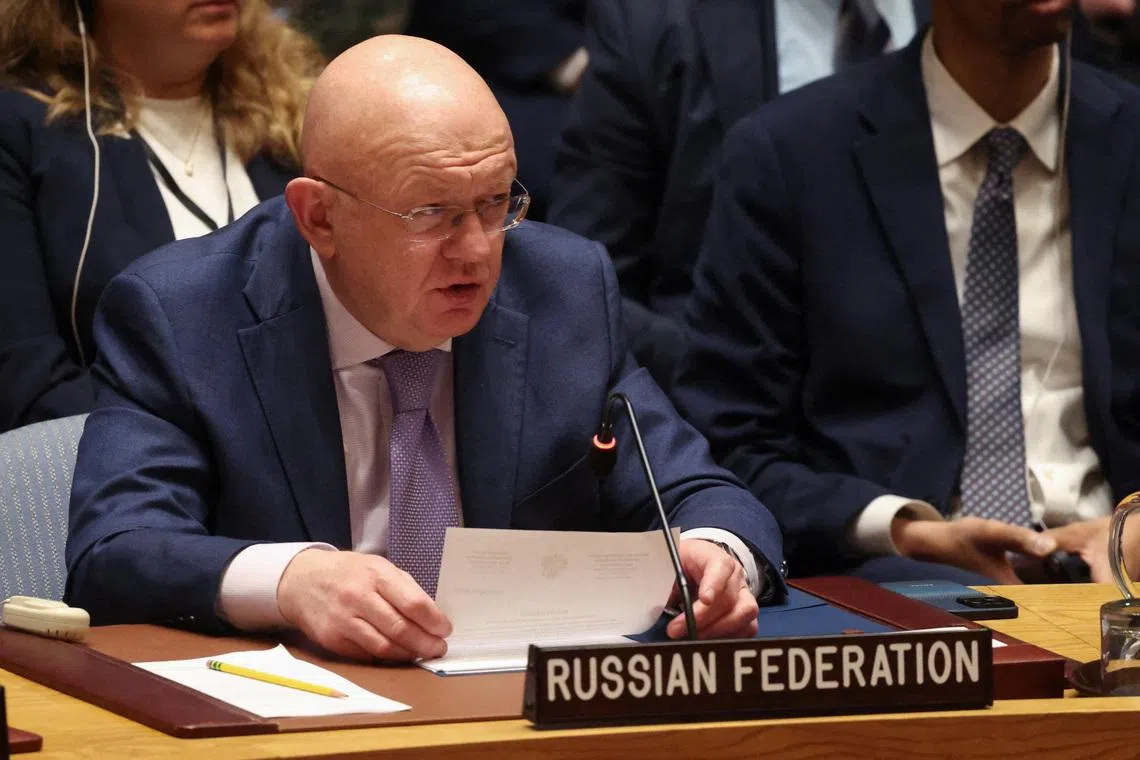
The security landscape in Ukraine’s capital has reached a precarious impasse this week as Russia signals an intent to expand its targeting parameters, prompting a sharp diplomatic rebuke from the United States. Moscow’s recent warnings regarding “systematic strikes” on Kyiv have been met with firm opposition from Washington, yet the Russian Foreign Ministry has doubled down on its directive for foreign nationals and diplomatic staff to vacate the city.
This escalating rhetoric marks a significant development in the ongoing conflict. Russia has explicitly stated that its upcoming operations will focus on what it characterizes as “decision-making centres and command posts,” as well as drone manufacturing facilities allegedly situated within the urban sprawl of the capital. According to official statements from Moscow, these planned actions are framed as a retaliatory measure following a strike on a student dormitory in the town of Starobilsk, which Russian officials claim resulted in 21 fatalities as reported by the BBC.
Diplomatic Tensions and Evacuation Advisories
The Kremlin’s public guidance to foreign diplomats and international organizations to depart Kyiv as soon as possible has introduced a new layer of friction into an already strained international dialogue. Reports indicate that Russian Foreign Minister Sergey Lavrov has communicated these plans directly to United States Secretary of State Marco Rubio, urging the evacuation of American embassy personnel according to coverage by Al Jazeera.
The United States has dismissed these threats, characterizing the Russian stance as an attempt to intimidate the international community and compromise the presence of foreign missions in Ukraine. By calling for the evacuation of diplomatic staff, Moscow is effectively attempting to isolate the capital, a move that Ukrainian officials have dismissed as “shameless blackmail.” The security environment in Kyiv has been volatile for some time; recent large-scale barrages on the city, occurring on the night of Saturday, May 23, resulted in at least four deaths and approximately 100 injuries, according to statements from President Volodymyr Zelensky confirmed via international reporting.
Strategic Context of the Conflict
The current situation serves as a stark reminder of the risks faced by civilians and international observers in the region. Moscow’s justification for its intensified targeting—the incident in Starobilsk—has been contested by Ukrainian military officials. Ukraine maintains that its forces conducted a precision strike against an elite Russian military drone unit in the occupied territory and explicitly denies targeting civilian infrastructure or residential student housing.
For those currently in Kyiv, the uncertainty surrounding the timing and scope of these “systematic strikes” remains the primary concern. Local authorities continue to urge residents to remain vigilant and avoid proximity to administrative or military-linked facilities, which Russia has identified as its primary objectives. The ongoing nature of these threats suggests that the security calculus for foreign embassies and aid organizations in the city will remain under constant review.
Looking Ahead: What Happens Next?
As the international community monitors the situation, the focus remains on whether Russia will execute its threatened strikes or if the current diplomatic pressure will alter its strategic course. There is no scheduled date for a de-escalation, and both sides continue to assert their respective positions through official channels.

For residents and international personnel in the region, the official guidance remains to monitor updates from their respective embassies and local emergency services. The World Today Journal will continue to track these developments as they emerge from the field. We invite our readers to share their perspectives or insights in the comments section below as we document the evolving situation in Kyiv.
Related reading