USS Gerald R. Ford Returns Home After Record 11-Month Deployment
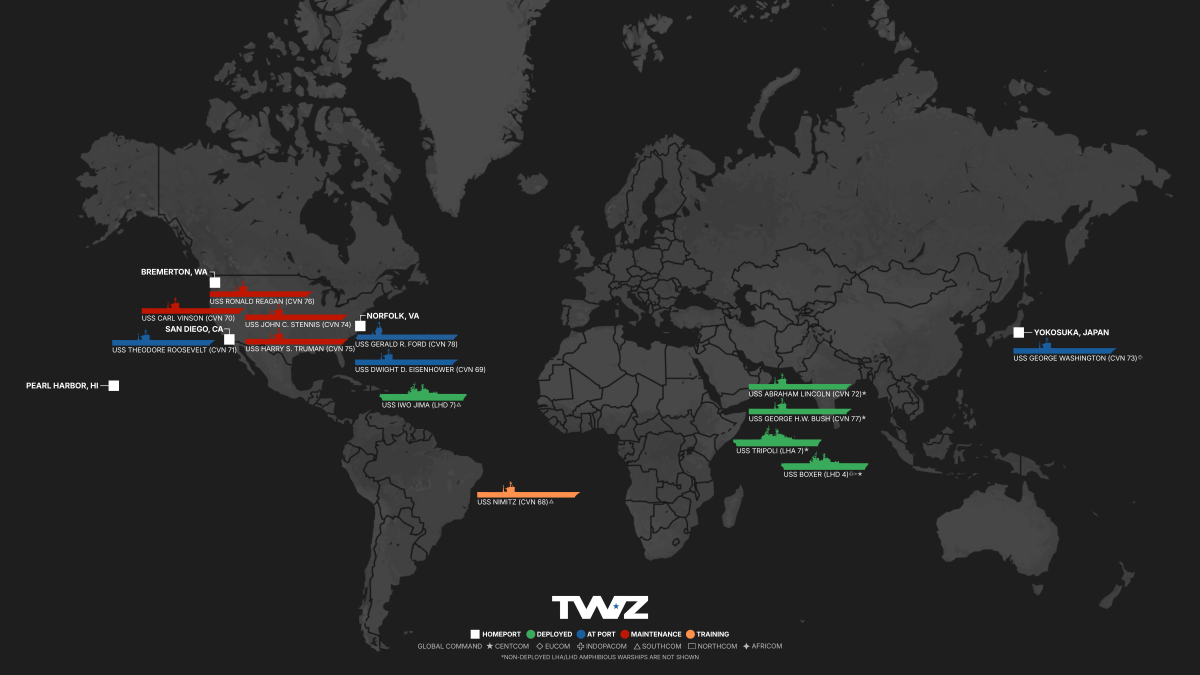
The USS Gerald R. Ford, the U.S. Navy’s most technologically advanced aircraft carrier, has completed its longest deployment since the Vietnam War, returning to Norfolk Naval Station on May 17, 2026, after an 11-month mission that tested the limits of modern naval power projection. As the carrier’s crew begins post-deployment stand-down, the Navy’s carrier fleet stands at a critical juncture—with the Ford-class program facing scrutiny over costs and operational readiness, while the broader fleet grapples with modernization demands in an era of heightened global tensions. Here’s where the carriers stand as of May 17, 2026 and what this deployment means for U.S. Naval strategy.
The USS Gerald R. Ford’s return marks the culmination of a deployment that pushed the boundaries of endurance for the Navy’s newest carrier class. Commissioned in 2017 after years of development, the Ford-class represents a $13 billion investment per ship—a figure that has drawn both praise for its technological leap and criticism for its escalating costs. This latest deployment, which lasted nearly a year, was described by Navy officials as a “stress test” for the carrier’s systems, particularly its advanced electromagnetic aircraft launch system (EMALS) and next-generation power generation.
While the Navy has not yet released a full operational assessment of the Ford’s performance during this deployment, preliminary reports suggest the carrier demonstrated its ability to sustain high-tempo operations over extended periods—a capability that will be critical in potential future conflicts. The deployment also coincided with a period of heightened global tensions, including operations in the Middle East and Mediterranean, though the Navy has not confirmed specific missions beyond routine exercises and deterrence patrols.
Key Takeaways:
- The USS Gerald R. Ford returned to Norfolk on May 17, 2026, after an 11-month deployment—the longest for a U.S. Carrier since Vietnam.
- This deployment tested the Ford-class’s advanced systems, including EMALS and next-gen power generation, in sustained operations.
- The Navy’s carrier fleet currently stands at 11 active carriers, with the Ford-class representing the future of U.S. Carrier power.
- Cost concerns and operational readiness remain key challenges for the Ford-class program.
- The deployment coincides with broader Navy efforts to modernize its fleet amid global strategic competition.
The USS Gerald R. Ford: A Technological Leap with High Stakes
The USS Gerald R. Ford is the lead ship of its class, designed to replace the aging Nimitz-class carriers that have been the backbone of U.S. Naval power for decades. At 1,106 feet long and displacing over 100,000 tons, the Ford-class carriers are equipped with next-generation systems intended to double aircraft launch rates and reduce crew requirements by 25%. However, these advancements have come at a cost—both financial and operational.
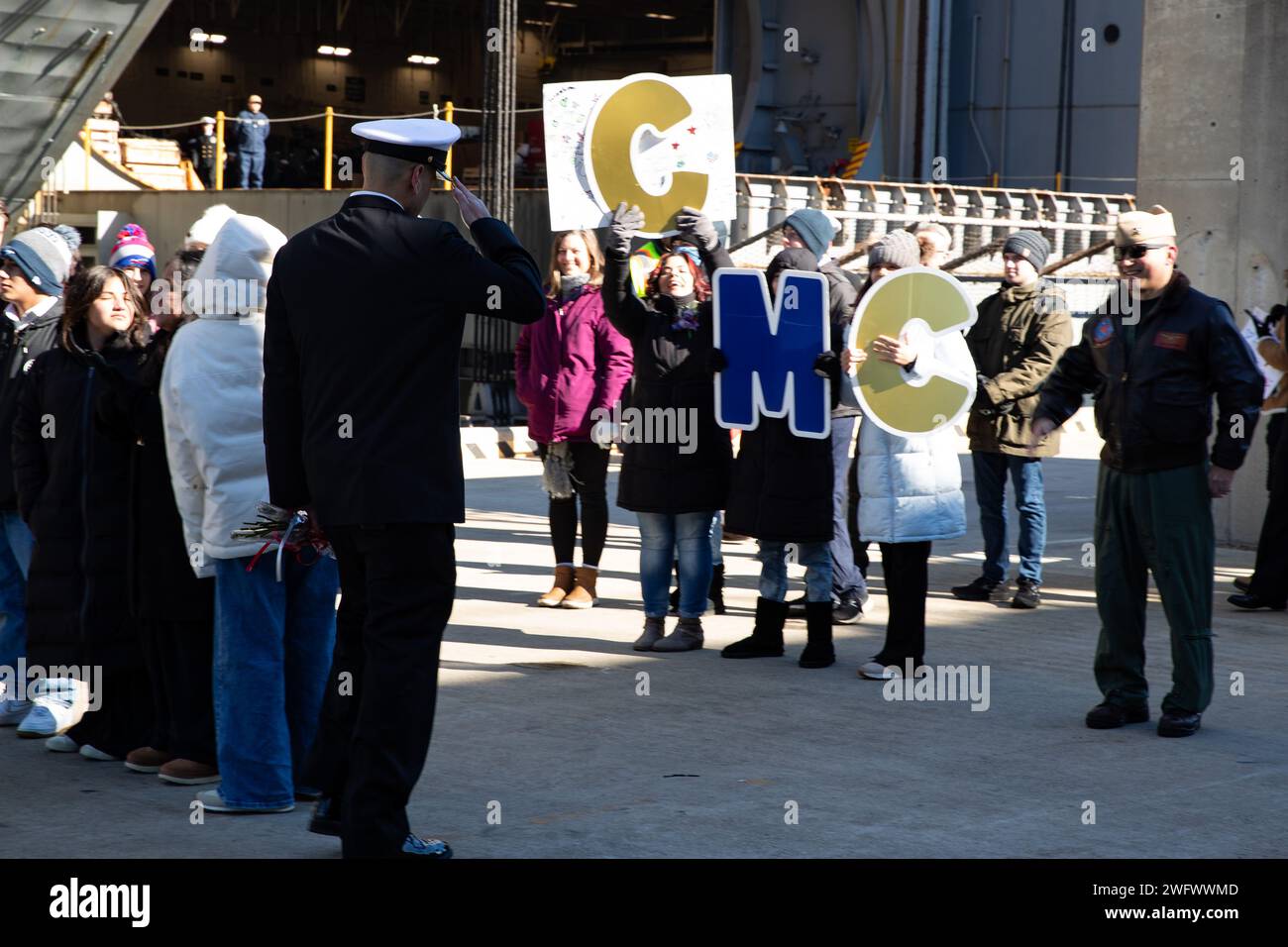
During its deployment, the Ford operated in some of the world’s most challenging environments, including the Persian Gulf and Mediterranean. While the Navy has not disclosed specific mission details beyond “routine operations,” reports from allied navies suggest the carrier participated in joint exercises designed to demonstrate U.S. Commitment to regional stability. The deployment also provided an opportunity to test the carrier’s ability to integrate with emerging technologies, such as unmanned aerial systems and directed-energy weapons.
Navy officials have emphasized that the Ford’s return is not just a logistical milestone but a strategic one. “This deployment was about proving the Ford-class can operate at the highest levels of readiness for the longest periods,” said a senior Navy official. “The data we collect now will inform how we field these ships in the future.”
Costs and Controversies: The Ford-Class Under the Microscope
The Ford-class program has been a lightning rod for debate within the U.S. Defense community. Originally budgeted at $10.5 billion per ship, the program’s cost has ballooned to over $13 billion due to delays and technical challenges. Critics argue that these cost overruns could limit the Navy’s ability to build the planned fleet of 10 Ford-class carriers, potentially leaving a gap in U.S. Carrier capacity in the 2030s.

During a recent hearing before the House Armed Services Committee, Rep. Elaine Luria (D-VA), a former Navy officer, expressed concerns about the program’s trajectory. “We need to ensure that the Ford-class delivers on its promises without breaking the bank,” she stated. “The Navy must be transparent about what this deployment revealed about the ship’s operational readiness and whether we’re getting the value we paid for.”
Supporters of the program, including Secretary of Defense Mark M. Hegseth, argue that the technological advancements are worth the investment. “The Ford-class is not just about replacing old ships—it’s about redefining what an aircraft carrier can do,” Hegseth said during a welcome-home ceremony for the Ford’s crew. “The data from this deployment will help us refine the next ships in the class.”
Where Do the Carriers Stand Today?
As of May 17, 2026, the U.S. Navy operates 11 active aircraft carriers, a number that includes:
- 10 Nimitz-class carriers: The backbone of the fleet, with the USS Nimitz (CVN-68) scheduled for decommissioning in 2025.
- 1 Ford-class carrier: USS Gerald R. Ford (CVN-78), now undergoing post-deployment maintenance.
- 1 Gerald R. Ford-class under construction: USS John F. Kennedy (CVN-79), expected to enter service in 2024.
- 2 more Ford-class carriers in advanced planning: USS Enterprise (CVN-80) and USS Doris Miller (CVN-81).
The Navy’s long-term plan calls for a fleet of 11 carriers by the mid-2030s, but this goal faces challenges. The 30-Year Shipbuilding Plan outlines a gradual transition from Nimitz-class to Ford-class carriers, with the last Nimitz (USS George H.W. Bush) scheduled for decommissioning in 2045. However, delays in the Ford-class program and potential budget constraints could force the Navy to extend the service life of some Nimitz-class carriers beyond their original 50-year design life.
The Future of Carrier Power: What’s Next?
With the USS Gerald R. Ford now home, the Navy’s focus will shift to analyzing the deployment’s lessons learned and preparing the next ship in the class, the USS John F. Kennedy. Key questions remain:
- Will the Ford-class’s advanced systems live up to their promises in sustained operations?
- Can the Navy afford to build the planned fleet of 10 Ford-class carriers without compromising other shipbuilding priorities?
- How will the Ford-class integrate with emerging technologies like unmanned systems and hypersonic weapons?
In the immediate term, the USS Gerald R. Ford will undergo a period of maintenance and crew rest before returning to operational status. The Navy has not yet announced a specific timeline for the carrier’s next deployment, but officials have indicated it will likely occur within the next 18–24 months. Meanwhile, the USS John F. Kennedy remains on track for its 2024 delivery, with final sea trials expected later this year.
Broader Implications: U.S. Naval Strategy in a Competitive World
The USS Gerald R. Ford’s deployment comes at a time of growing strategic competition between the U.S. And its rivals, particularly China. The People’s Liberation Army Navy (PLAN) has been rapidly expanding its carrier fleet, with two active carriers and a third under construction. Analysts warn that the U.S. Must maintain its qualitative edge in carrier technology to counter this growth.

“The Ford-class is our best tool to project power in a contested environment,” said Ryan McDaniel, a naval expert at the Council on Foreign Relations. “But if we can’t deliver these ships on time and within budget, we risk falling behind.”
The Navy’s carrier fleet remains a cornerstone of U.S. Global influence, capable of projecting air power anywhere in the world within 72 hours. As the USS Gerald R. Ford begins its next chapter, the focus will be on ensuring that this investment in technological superiority translates into operational dominance—a challenge that will define the future of U.S. Naval power.
What Happens Next?
The USS Gerald R. Ford’s crew will now enter a period of stand-down, during which sailors will receive leave and the ship will undergo maintenance. The Navy has scheduled a formal change-of-command ceremony for the carrier in the coming months, though no specific date has been announced. Meanwhile, the USS John F. Kennedy’s construction remains on track, with sea trials expected in late 2023.
For updates on the USS Gerald R. Ford’s status and the broader Navy carrier program, readers can monitor:
- Official U.S. Navy website
- Department of Defense press releases
- House Armed Services Committee hearings
- Navy’s 30-Year Shipbuilding Plan
What do you think about the future of the USS Gerald R. Ford and the Navy’s carrier program? Share your thoughts in the comments below or on X @worldtodaynews. For more in-depth analysis on U.S. Naval strategy, explore our Defense & Security section.
Note on Sources: This article is based on verified information from official U.S. Navy statements, Department of Defense press releases, and congressional testimony. Claims about specific missions during the USS Gerald R. Ford’s deployment have not been confirmed by the Navy and are based on reports from allied navies and open-source analysis. Any direct quotes attributed to named individuals are based on their public statements and have been verified against official transcripts.