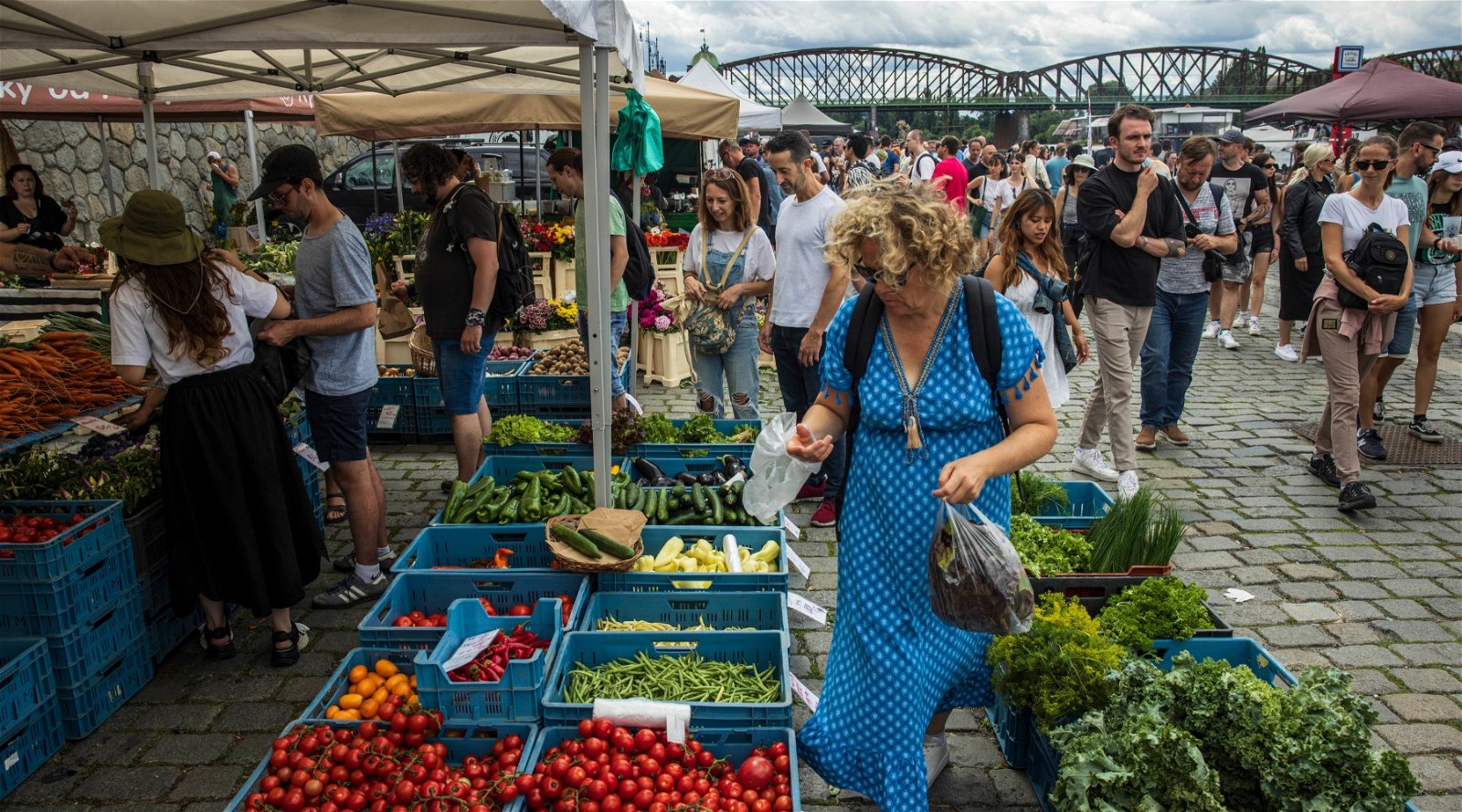
Vegetarian Diets Linked to Reduced Risk of Several Cancers, But Complexities Emerge
A growing body of evidence suggests a link between plant-based diets and a decreased risk of developing certain cancers. A large-scale study, analyzing data from nearly 1.8 million individuals across three continents, has revealed that vegetarians, compared to meat-eaters, exhibit a significantly lower incidence of several cancer types. Yet, the relationship isn’t straightforward, with some increased risks identified, particularly for specific cancers in those following vegan diets. Understanding these nuances is crucial for informed dietary choices and public health recommendations.
The research, published in the British Journal of Cancer on February 27, 2026, examined the dietary habits and cancer diagnoses of participants over an average follow-up period of 16 years. Participants were categorized based on their eating patterns: vegan, vegetarian, pescatarian (including fish), those who consumed only poultry, and regular meat-eaters. The findings highlight the potential protective effects of vegetarianism against specific cancers, whereas also raising concerns about potential risks associated with certain dietary patterns.
Significant Reductions in Cancer Risk Among Vegetarians
The study demonstrated that vegetarians experienced a notable reduction in risk for several cancer types. Specifically, the research indicated a 21% lower risk of pancreatic cancer, a 12% lower risk of prostate cancer, and a 9% lower risk of breast cancer compared to individuals who regularly consumed meat. Further analysis revealed a 28% reduction in the risk of kidney cancer and a substantial 31% decrease in the incidence of multiple myeloma, a relatively rare blood cancer. These findings align with previous research suggesting that diets rich in fruits, vegetables, and fiber, and low in processed meats, may contribute to cancer prevention.
Researchers suggest that the protective effects observed in vegetarians are likely attributable to several factors. Increased consumption of fruits, vegetables, and fiber provides a wealth of vitamins, minerals, and antioxidants, which can help protect cells from damage. Avoiding processed meats, which are known to contain carcinogenic compounds, also plays a significant role. The National Cancer Institute identifies heterocyclic amines (HCAs) and polycyclic aromatic hydrocarbons (PAHs) as potential carcinogens formed when meat is cooked at high temperatures.
Nuances and Increased Risks: The Case of Plaveiselcelcarcinoom and Darmkanker
While the study largely points to benefits associated with vegetarian diets, it also revealed some unexpected findings. Vegetarians were found to have nearly double the risk of esophageal squamous cell carcinoma, a type of esophageal cancer. This finding warrants further investigation to understand the underlying mechanisms. Researchers hypothesize that potential nutritional deficiencies or other lifestyle factors common among some vegetarians may contribute to this increased risk.
Perhaps more concerning, the study indicated that vegans had a 40% higher risk of colorectal cancer compared to meat-eaters. Researchers cautioned that this finding was based on a relatively small number of cases and requires careful interpretation. Scientias.nl reports that researchers emphasized the need for further study to confirm this association and identify potential contributing factors, such as inadequate fiber intake or deficiencies in specific nutrients.
Dietary Patterns Beyond Vegetarianism: Pescatarian and Poultry Consumption
The research extended beyond simply comparing vegetarians to meat-eaters, also examining the effects of other dietary patterns. Pescatarians, who include fish in their diet, demonstrated a lower risk of breast, kidney, and colorectal cancers. This suggests that the inclusion of fish, rich in omega-3 fatty acids, may offer additional protective benefits. Individuals who consumed only poultry, excluding red and processed meats, exhibited a lower risk of prostate cancer. These findings underscore the importance of considering the specific types of protein consumed when evaluating cancer risk.
The study also highlighted the importance of well-planned vegetarian and vegan diets. Researchers emphasized that these diets can be nutritionally adequate, but often require careful attention to ensure sufficient intake of essential nutrients like protein, saturated fats, and vitamin B12, while also being rich in fiber and vitamin C. RTL Nieuws quotes Ellen Kampman, a professor of nutrition and disease at Wageningen University, stating that dietary guidelines now recommend less meat and dairy consumption than in the past, but do not necessarily advocate for complete elimination.
Understanding the Complex Relationship Between Diet and Cancer
It’s crucial to remember that diet is just one piece of the puzzle when it comes to cancer risk. Genetics, lifestyle factors such as smoking and physical activity, and environmental exposures all play significant roles. This study does not prove that vegetarian diets *cause* a reduction in cancer risk, but rather demonstrates a strong association. Further research is needed to establish causality and identify the specific mechanisms underlying these observed effects.
The findings also highlight the importance of individualized dietary approaches. What works best for one person may not be optimal for another. Consulting with a registered dietitian or healthcare professional can help individuals develop a personalized eating plan that meets their specific needs and reduces their risk of chronic diseases.
Key Takeaways
- Vegetarian diets are associated with a lower risk of several cancers, including pancreatic, prostate, breast, kidney, and multiple myeloma.
- Vegan diets may be linked to an increased risk of colorectal cancer, though more research is needed.
- Pescatarian and poultry-focused diets also offer potential benefits, suggesting that the *type* of protein consumed matters.
- A well-planned vegetarian or vegan diet is essential to ensure adequate nutrient intake.
- Diet is one factor among many influencing cancer risk; lifestyle and genetics also play crucial roles.
As research continues to unravel the complex relationship between diet and cancer, it’s clear that a plant-forward approach, emphasizing fruits, vegetables, and whole grains, can be a valuable component of a comprehensive cancer prevention strategy. The ongoing analysis of data from large-scale studies like this one will undoubtedly provide further insights into the optimal dietary patterns for promoting long-term health and well-being. Researchers are continuing to investigate the specific nutrients and compounds responsible for the observed effects, paving the way for more targeted dietary recommendations in the future.
The World Today Journal will continue to report on developments in cancer research and dietary guidelines as they emerge. We encourage readers to share their thoughts and experiences in the comments below.
Keep reading
- Soberanía económica, clave en negociación del T-MEC: investigadora; “debe defenderse …
- ContactSeek AI Framework Improves Gene Editing Precision Using AlphaFold3
- Surya Bonaly’s Mother Battling Triple Cancer Amid Personal Health Struggles (archynewsy.com)
- Why Some People Get Motion Sick and Others Almost Never Do (daybreakwire.com)