
Venezuela Seeks Caribbean Partnership to Revitalize Oil and Gas Sector
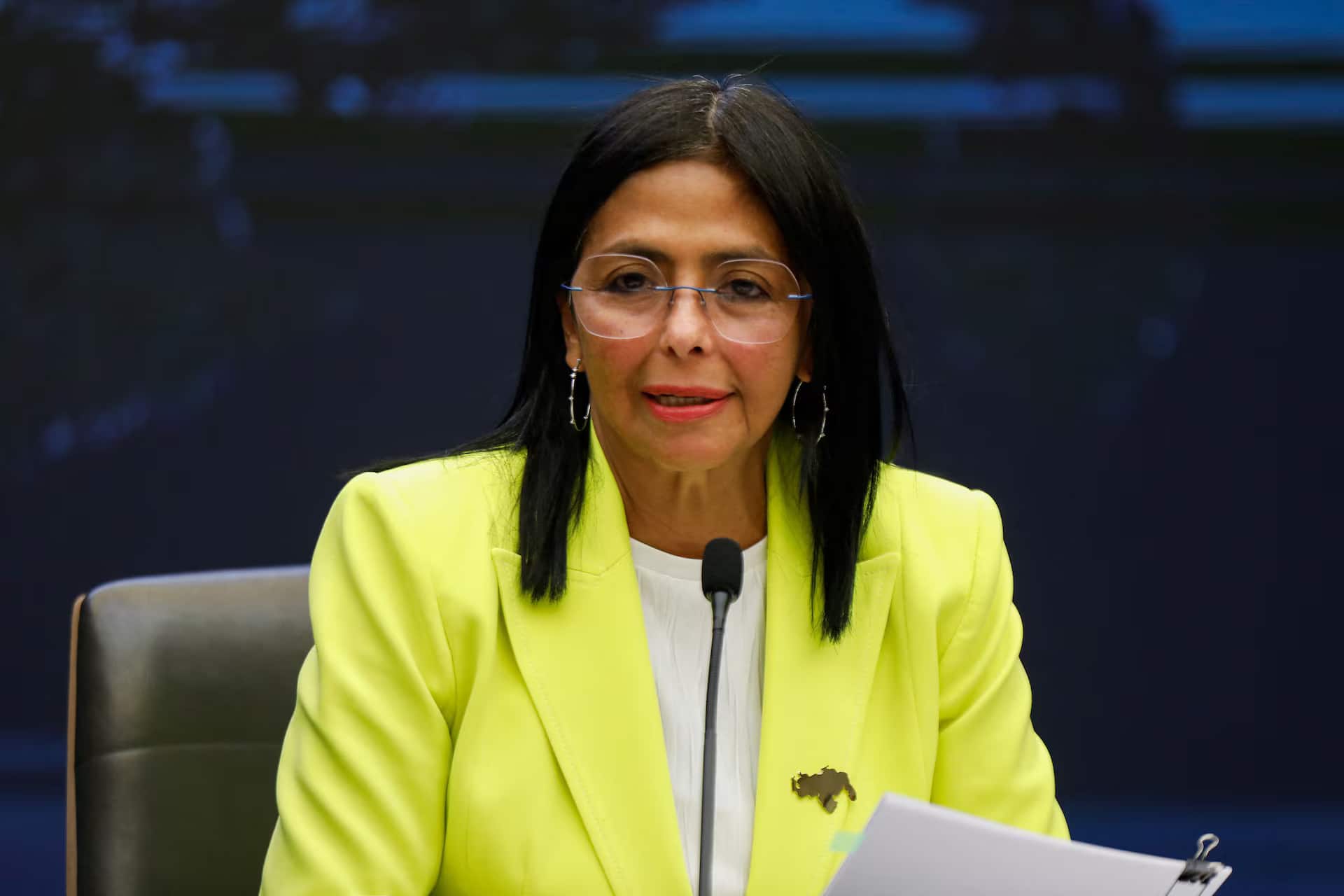
In a strategic move to bolster its energy sector, Venezuela’s acting president, Delcy Rodríguez, met with Barbados Prime Minister Mia Mottley in Bridgetown on Monday to invite investment in the South American nation’s oil and gas industry. The bilateral talks, held at the capital’s government headquarters, mark a significant step in Venezuela’s efforts to rebuild its energy infrastructure amid shifting geopolitical dynamics and economic challenges.
Rodríguez, who has served as Venezuela’s acting president since early January following the removal of former President Nicolás Maduro, emphasized the potential for collaboration between the two nations. “To join strengths, to increase the production of hydrocarbons in Venezuela,” she stated during a joint press conference, underscoring the country’s commitment to expanding its energy production capabilities. The invitation comes as Venezuela seeks to leverage its vast oil reserves—among the largest in the world—to secure foreign investment and stabilize its economy.
For Barbados, the discussions represent an opportunity to address its own energy security concerns. Prime Minister Mottley described the current energy landscape as a “remarkably difficult time” for the island nation, which has faced rising fuel costs and supply uncertainties. While Barbados has made strides in renewable energy development, Mottley expressed openness to exploring fossil fuel partnerships with Venezuela, while likewise advocating for cooperation in renewable energy technologies. “We want our cooperation to extend also beyond fossil fuels to… renewable energy,” she noted.
A Strategic Visit Amid Regional Shifts
Rodríguez’s visit to Barbados is the second official trip to a Caribbean nation in recent weeks, following a meeting with Grenada’s leadership on April 9. The outreach reflects Venezuela’s broader strategy to strengthen ties with neighboring countries as it navigates international sanctions and economic pressures. The U.S. And several other nations have imposed restrictions on Venezuela’s oil exports in recent years, complicating the country’s efforts to revive its energy sector.
Venezuela’s oil industry, once the backbone of its economy, has suffered from years of underinvestment, mismanagement, and sanctions. According to the U.S. Energy Information Administration, Venezuela’s oil production declined from nearly 3.5 million barrels per day in the late 1990s to approximately 700,000 barrels per day in 2025. The country’s state-owned oil company, Petróleos de Venezuela, S.A. (PDVSA), has struggled with debt, infrastructure decay, and a lack of foreign investment, further hampering its ability to meet domestic and international demand.

Barbados, meanwhile, has been working to diversify its energy sources. The island nation, which relies heavily on imported fossil fuels, has set ambitious renewable energy targets, aiming to generate 100% of its electricity from renewable sources by 2030. However, Mottley’s government has acknowledged the challenges of transitioning away from fossil fuels entirely, particularly in sectors like transportation and industrial production. The potential partnership with Venezuela could provide Barbados with a more stable and cost-effective supply of oil and gas while it continues to develop its renewable energy infrastructure.
Energy Security and Economic Implications
The discussions between Rodríguez and Mottley come at a time when global energy markets remain volatile. The war in Ukraine, ongoing tensions in the Middle East, and fluctuations in oil prices have underscored the importance of energy security for nations across the globe. For Venezuela, attracting foreign investment in its oil and gas sector is critical to reversing years of economic decline and restoring its position as a major energy exporter.
Rodríguez’s invitation to Barbados aligns with Venezuela’s broader efforts to re-engage with the international community. In recent months, the country has sought to ease tensions with the U.S. And other Western nations, signaling a willingness to negotiate on issues such as sanctions relief and debt restructuring. However, significant hurdles remain, including concerns over political stability, human rights, and Venezuela’s ability to meet its financial obligations.
For Barbados, the partnership could offer economic benefits beyond energy security. The island nation has been exploring opportunities to expand its role in regional energy markets, including potential involvement in refining and distribution. A collaboration with Venezuela could also pave the way for joint ventures in renewable energy, such as solar and wind projects, which could help Barbados achieve its sustainability goals while creating jobs and stimulating economic growth.
Challenges and Uncertainties
Despite the optimism surrounding the talks, several challenges could complicate the proposed partnership. Venezuela’s oil industry remains heavily sanctioned, and any investment from Barbados would necessitate to navigate complex legal and financial restrictions. Concerns about corruption, political instability, and the rule of law in Venezuela could deter potential investors, even as the country seeks to present itself as a reliable partner.
Mottley’s government has also faced domestic pressure to prioritize renewable energy over fossil fuels. Environmental groups in Barbados have urged the government to avoid deepening its reliance on oil and gas, arguing that such partnerships could undermine the country’s long-term sustainability goals. Balancing these concerns with the immediate need for energy security will be a key challenge for Mottley in the coming months.
Another factor to consider is the geopolitical landscape. The U.S. And other Western nations have historically viewed Venezuela’s government with skepticism, and any significant investment in its energy sector could draw scrutiny. Barbados, which maintains strong ties with the U.S. And other Western allies, may need to carefully manage its diplomatic relationships as it explores energy partnerships with Venezuela.
What’s Next for Venezuela and Barbados?
The outcome of the talks between Rodríguez and Mottley remains uncertain, but both leaders have expressed a commitment to continuing the dialogue. Rodríguez’s visit to Barbados is likely the first step in a broader effort to attract investment in Venezuela’s energy sector, with potential follow-up meetings and negotiations expected in the coming months.
For Barbados, the next steps will involve assessing the feasibility of investing in Venezuela’s oil and gas industry while ensuring that any partnership aligns with its renewable energy goals. Mottley’s government may also seek to engage with other Caribbean nations to explore regional energy cooperation, potentially creating a more integrated and resilient energy market in the region.
As Venezuela seeks to rebuild its energy sector, the success of its outreach to Barbados and other Caribbean nations could serve as a litmus test for its broader re-engagement with the international community. For now, both countries appear eager to explore the possibilities of collaboration, even as they navigate the complexities of a rapidly changing global energy landscape.
Key Takeaways
- Venezuela’s acting president, Delcy Rodríguez, invited Barbados to invest in its oil and gas sector during a meeting with Prime Minister Mia Mottley in Bridgetown on April 27, 2026.
- Rodríguez emphasized the potential for collaboration to increase hydrocarbon production and enhance energy security for both nations.
- Barbados, which faces its own energy challenges, expressed interest in exploring fossil fuel partnerships while also pursuing renewable energy cooperation.
- Venezuela’s oil industry has struggled with underinvestment, sanctions, and declining production, making foreign investment critical to its economic recovery.
- Challenges to the partnership include U.S. Sanctions, concerns about political stability in Venezuela, and Barbados’ commitment to renewable energy goals.
- Both countries are expected to continue discussions in the coming months, with potential follow-up meetings and negotiations on the horizon.
Frequently Asked Questions
Why is Venezuela seeking investment from Barbados?
Venezuela is looking to attract foreign investment to revitalize its oil and gas sector, which has suffered from years of underinvestment, sanctions, and economic decline. Barbados, facing its own energy security challenges, represents a potential partner that could benefit from stable and cost-effective energy supplies while also exploring opportunities in renewable energy.
What are the potential benefits for Barbados?
For Barbados, a partnership with Venezuela could provide a more reliable and affordable source of oil and gas, helping to address energy security concerns. The collaboration could open doors for joint ventures in renewable energy, such as solar and wind projects, which align with Barbados’ sustainability goals.
What challenges could the partnership face?
The proposed partnership faces several challenges, including U.S. Sanctions on Venezuela’s oil industry, concerns about political instability and corruption in Venezuela, and domestic pressure in Barbados to prioritize renewable energy over fossil fuels. Navigating these issues will require careful diplomacy and strategic planning from both governments.
How does this visit fit into Venezuela’s broader strategy?
Rodríguez’s visit to Barbados is part of Venezuela’s broader effort to re-engage with the international community and attract foreign investment in its energy sector. The country has also sought to ease tensions with the U.S. And other Western nations, signaling a willingness to negotiate on issues such as sanctions relief and debt restructuring.
What’s next for Venezuela and Barbados?
Both countries have expressed a commitment to continuing the dialogue, with potential follow-up meetings and negotiations expected in the coming months. Barbados will need to assess the feasibility of investing in Venezuela’s energy sector while ensuring that any partnership aligns with its renewable energy goals. Venezuela, meanwhile, will likely continue its outreach to other potential investors as it seeks to rebuild its oil and gas industry.
As the situation develops, World Today Journal will continue to provide updates on the evolving partnership between Venezuela and Barbados. For the latest news and analysis, follow our coverage of global energy and geopolitical developments.
What are your thoughts on Venezuela’s efforts to revitalize its energy sector? Share your comments below and join the conversation.
Worth a look