Rising tensions: U.S. Military Actions Near Venezuela Spark Debate
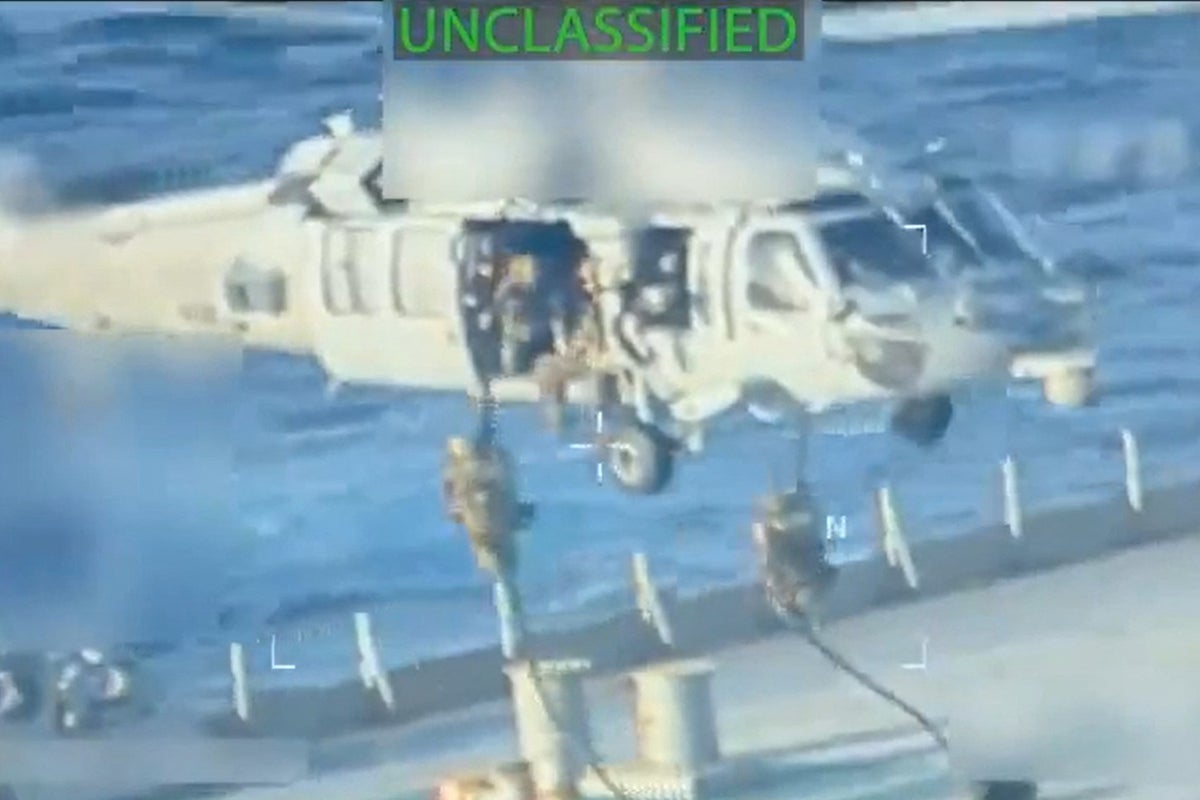
recent actions by the U.S.military in the Caribbean Sea, specifically targeting vessels suspected of drug trafficking, are generating meaningful controversy and raising concerns about potential escalation. These maneuvers, authorized by the current management, have drawn criticism from both sides of the political aisle and ignited a national debate about the scope of executive power and the risk of unintended consequences.
A Shift in Strategy & Accusations of Overreach
The administration has defended its actions as necessary to combat the flow of illicit drugs into the united States. However, critics argue these strikes represent a dangerous overreach, potentially violating international law and risking a wider conflict. Venezuelan President Nicolás Maduro has vehemently condemned the actions, accusing the U.S. of attempting to “fabricate a new eternal war.”
The core of the issue lies in the authorization of strikes against vessels without formal declarations of war or explicit congressional approval. This has led to accusations of circumventing established legal processes and potentially violating due process.
Congressional Concerns Grow
A growing number of lawmakers are voicing their opposition. Several are questioning the legality and strategic wisdom of the operations.
* Virginia Senator Tim Kaine has labeled the PentagonS strikes as illegal.
* He warned that these actions could draw the nation into another costly and unwanted foreign war.
* Senator Kaine emphasized that Americans have little appetite for “stumbling into an illegal new war” that endangers U.S. servicemembers.
kentucky Senator Rand Paul has also demanded greater transparency. He called for Defense Secretary Pete Hegseth to testify under oath regarding the specifics of the boat strikes. Paul expressed deep concern over what he described as the “summary execution” of individuals suspected of crimes.
Partisan divide & Public Opinion
While opposition exists within both parties, many Republicans remain steadfastly supportive of the administration’s approach. Oklahoma Senator Markwayne Mullin asserted that the President is “protecting the United States by being very proactive.” This highlights a clear partisan divide on the issue.
Public opinion is similarly fractured. A recent CBS News survey revealed:
* 53% of Americans approve of using military force against vessels suspected of drug trafficking.
* However, a significant 70% oppose direct military intervention within venezuela itself.
This suggests a willingness to address the drug trade aggressively, but a strong reluctance to become entangled in another regional conflict.
Implications & Potential Risks
You might be wondering what this all means for the future. The current situation presents several potential risks:
* Escalation: Retaliatory actions by Venezuela or other regional actors could quickly escalate tensions.
* Legal Challenges: The legality of the strikes is likely to be challenged in court, potentially leading to a constitutional crisis.
* Damage to alliances: The unilateral nature of these actions could strain relationships with key allies.
* Increased instability: Military intervention, even limited in scope, could further destabilize an already volatile region.
Ultimately, the situation demands careful consideration and a clear articulation of U.S. foreign policy objectives. You deserve a transparent and informed debate about the risks and benefits of these actions, and the potential consequences for both national security and international stability. It’s crucial to remember that decisions made today will shape the future of U.S.involvement in the region for years to come.
Worth a look