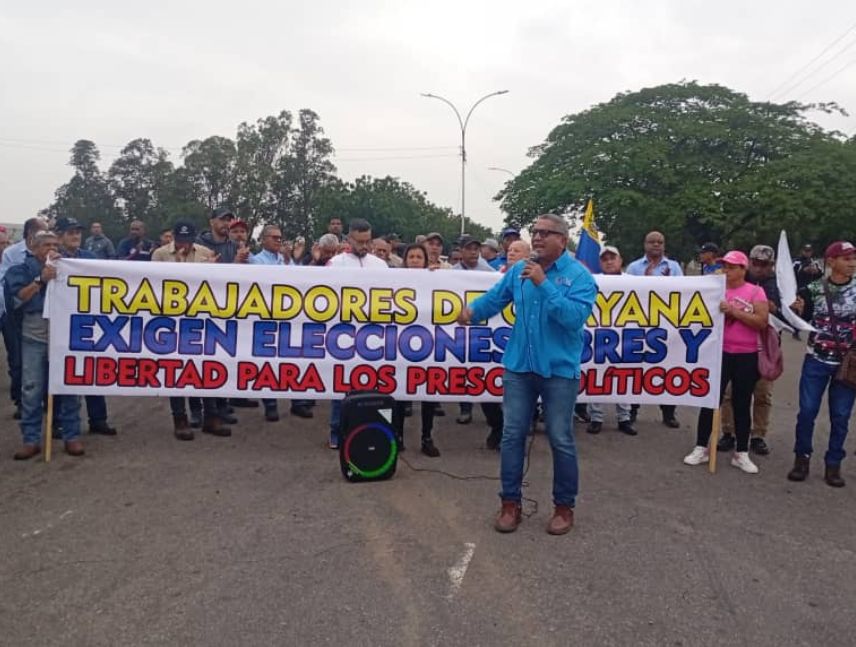
Labor organizations in the Guayana region have intensified their public demonstrations, joining a broader national movement of workers across Venezuela who are demanding the authorities announce a clear electoral schedule. This mobilization follows months of mounting economic pressure and political uncertainty, as trade unions and civil society groups seek to secure guarantees for transparent, democratic processes in the upcoming national cycle.
The situation remains fluid, with various sectors of the Venezuelan workforce—ranging from state-run industrial workers in the southern Bolívar state to public sector employees in Caracas—coordinating efforts to highlight their demands for fair elections and improved living conditions. According to reports from the Council on Foreign Relations, the political climate in Venezuela has been defined by ongoing disputes regarding candidate eligibility and the necessity for international observation in the electoral process.
Labor Demands and Economic Context
For the workers in Guayana, a region historically vital to Venezuela’s iron, steel, and aluminum industries, the call for an electoral schedule is inextricably linked to the broader crisis of wages and industrial productivity. Labor representatives argue that the lack of clear institutional direction has exacerbated the devaluation of local salaries, leading to widespread protests in key commercial hubs like Chacaíto in the capital, Caracas.
The economic landscape in Venezuela continues to be a primary driver of civil unrest. As noted by the International Monetary Fund, the country has faced significant challenges regarding hyperinflation and a contraction in GDP, which directly affects the purchasing power of the working class. Unions are currently leveraging their collective bargaining strength to demand that the government address the minimum wage—which has remained stagnant despite the rising costs of basic goods—alongside their calls for political clarity.
The National Protest Movement
The demonstrations have not been limited to the industrial south. Across the country, diverse coalitions have organized to express their discontent with the current administration’s handling of the electoral calendar. These actions have included peaceful marches and sit-ins near government offices and diplomatic missions, signaling a unified front among disparate labor factions.
International observers have been monitoring these developments closely. The United Nations Office of the High Commissioner for Human Rights has previously highlighted the importance of upholding the right to peaceful assembly and freedom of expression within the context of national elections. The current push by unions is characterized by a demand for the National Electoral Council (CNE) to fulfill its mandate by providing an official, binding timeline for the upcoming presidential vote.
What Happens Next
The path forward remains tethered to the decisions made by the CNE. While political parties continue to engage in dialogues, the labor movement in Guayana and beyond has signaled that it will continue its “agenda of street struggle” until substantive progress is made. For many, the electoral schedule is not merely a political administrative task but a prerequisite for the economic reforms they believe are necessary to stabilize their livelihoods.
Observers are currently tracking the next official plenary session of the CNE for any announcements regarding the electoral timeline. Readers interested in the official status of these developments should monitor the official portal of the National Electoral Council for verified press releases and administrative resolutions. As the situation evolves, we will continue to provide updates on how these labor movements impact the broader national political trajectory.
We invite our readers to share their perspectives on these developments in the comments section below. For ongoing coverage of international affairs and political developments, ensure you are subscribed to our newsletter for the latest verified reporting.
Related reading