Venezuela’s Central Bank Faces Major Overhaul Amid Leadership Change and U.S. Pressure
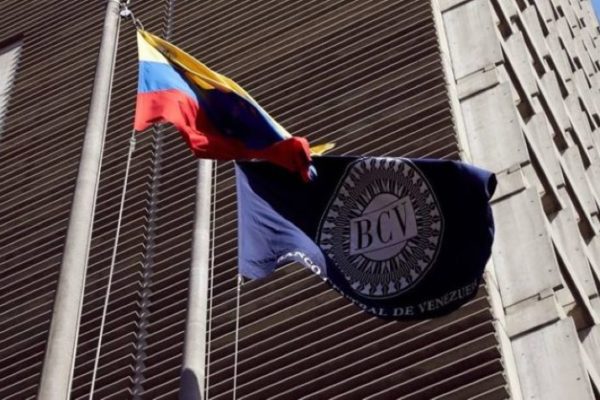
Venezuela’s Banco Central de Venezuela (BCV) is poised for its most significant restructuring in years, following a leadership transition and growing international pressure to restore credibility to the country’s financial system. The proposed reforms, outlined in a recent analysis by the Eurasia Group, come as the U.S. And Venezuelan officials engage in high-stakes negotiations to include opposition figures in the bank’s governance—a move aimed at stabilizing the country’s hyperinflation-ravaged economy.
The BCV, long criticized for its lack of independence and perceived politicization under President Nicolás Maduro, has struggled to maintain public trust amid soaring inflation, currency devaluation, and economic sanctions. The proposed overhaul, first reported by Bloomberg, would mark a rare point of cooperation between Maduro’s government and the U.S., which has sought to ease sanctions in exchange for democratic reforms.
However, the plan has already sparked controversy. State-aligned media outlets and government supporters have dismissed the reports as “propaganda,” while opposition leaders warn that any reforms must include genuine independence for the BCV to be effective. The bank’s current president, Calixto Ortega Sánchez, assumed the role in 2018 after his predecessor, Ricardo Sanguino, was removed amid escalating economic turmoil.
Eurasia Group’s Assessment: A Blueprint for Reform
The Eurasia Group, a leading political risk consultancy, has projected that the BCV will undergo a “profound restructuring” in the coming months, driven by both domestic and international pressures. According to the firm’s analysis, the reforms are expected to focus on three key areas:
Governance and Independence: Reducing political influence over monetary policy decisions, potentially by introducing term limits for board members and requiring bipartisan approval for key appointments.
Transparency and Accountability: Strengthening auditing mechanisms and public reporting to align with international standards, including those set by the International Monetary Fund (IMF).
Policy Modernization: Overhauling the bank’s approach to inflation control, foreign exchange reserves, and digital currency initiatives, which have been hampered by U.S. Sanctions and economic mismanagement.
The Eurasia Group’s report, which has not been publicly released but was cited by Banca y Negocios, suggests that the restructuring could be announced as early as June 2026, coinciding with a potential easing of U.S. Sanctions. However, the timeline remains uncertain, as negotiations between Washington and Caracas are ongoing and subject to political developments in both countries.
U.S. Involvement and Opposition Inclusion
One of the most contentious aspects of the proposed reforms is the reported involvement of the U.S. In facilitating discussions between Maduro’s government and the Venezuelan opposition. According to Bloomberg, U.S. Officials have been mediating talks to include opposition figures in the BCV’s leadership structure, a move aimed at bolstering the bank’s credibility both domestically and internationally.
Maduro Sanctions Bloomberg
The negotiations reflect a broader shift in U.S. Policy toward Venezuela, which has seen a gradual easing of sanctions in exchange for concessions on electoral transparency and human rights. The Biden administration has signaled that further sanctions relief could be contingent on meaningful reforms, including those at the BCV. However, the process has been fraught with challenges, as Maduro’s government has historically resisted external interference in domestic economic policy.
Opposition leaders, including María Corina Machado, the winner of the 2024 primary election who was subsequently barred from running in the presidential race, have called for the BCV to be depoliticized. In a statement released last week, Machado’s team emphasized that any reforms must include “clear mechanisms to prevent government interference in monetary policy.”
Reactions: Skepticism and Pushback
The prospect of a BCV overhaul has elicited strong reactions from both supporters and critics of Maduro’s government. State-aligned media outlets, such as Telesur and VTV, have dismissed the reports as “foreign interference” and “economic warfare,” echoing long-standing government narratives that blame Venezuela’s economic crisis on U.S. Sanctions rather than domestic mismanagement.
On social media, pro-government accounts have circulated claims that the Bloomberg report is “fake news,” with some users sharing an Instagram post labeling the story as a “montage.” The post, which has since been debunked by fact-checkers, accused Western media of fabricating the narrative to undermine Venezuela’s sovereignty.
Economists and financial analysts, however, have largely welcomed the potential reforms, though many remain cautious about their implementation. Asdrúbal Oliveros, director of the Caracas-based consultancy Ecoanalítica, told World Today Journal that while the restructuring is “a step in the right direction,” its success will depend on “concrete actions, not just promises.”
“The BCV has been a tool of the government for years, used to finance deficits and prop up unsustainable policies,” Oliveros said. “For any reform to work, the bank must be given real independence, and that will require political will from both the government and the opposition.”
What’s Next for Venezuela’s Economy?
The proposed BCV reforms come at a critical juncture for Venezuela, which has been grappling with one of the worst economic crises in modern history. Hyperinflation, which peaked at over 1,000,000% in 2018, has since moderated but remains in the triple digits, eroding savings and wages. The country’s currency, the bolívar, has lost over 99% of its value against the U.S. Dollar since 2013, leading to widespread dollarization of the economy.
In recent months, the Maduro government has taken tentative steps toward economic liberalization, including easing price controls and allowing limited foreign investment in key sectors. However, these measures have been overshadowed by ongoing political repression, including the arrest of opposition figures and the suppression of independent media.
If the BCV reforms move forward, they could pave the way for Venezuela’s reintegration into global financial markets. The IMF has indicated that it would consider providing financial assistance to Venezuela if the country implements “credible reforms,” including those at the central bank. However, any IMF program would likely require the lifting of U.S. Sanctions, which have been in place since 2019 and have severely restricted Venezuela’s access to international credit.
Key Stakeholders and Potential Impact
The proposed restructuring of the BCV would affect a wide range of stakeholders, both within Venezuela and internationally:
Venezuelan Citizens: Millions of Venezuelans, who have seen their savings wiped out by hyperinflation, could benefit from a more stable currency and lower inflation. However, the reforms could likewise lead to short-term economic pain, including higher interest rates and reduced government spending.
Businesses: Local and international businesses operating in Venezuela would gain greater predictability in monetary policy, potentially encouraging investment. However, companies with ties to the government may resist reforms that reduce their influence over the BCV.
International Investors: A more independent and transparent BCV could attract foreign investment, particularly in Venezuela’s oil sector, which has been crippled by sanctions and underinvestment. However, investors will be watching closely to see if the reforms are implemented in good faith.
U.S. And Multilateral Institutions: The U.S. Has made BCV reforms a key condition for further sanctions relief, while the IMF and World Bank have signaled that they would support Venezuela’s reintegration into the global economy if the country adopts credible reforms.
Challenges Ahead
Despite the potential benefits, the path to reforming the BCV is fraught with challenges. Chief among them is the Maduro government’s history of backtracking on economic promises. In 2019, the government announced a series of economic liberalization measures, including the partial lifting of price controls and the legalization of dollar transactions. However, many of these reforms were later reversed or watered down amid political pressure.
Another major obstacle is the lack of trust between the government and the opposition. While the U.S. Has been facilitating talks between the two sides, deep-seated animosity and mutual suspicion could derail the negotiations. Opposition leaders have accused Maduro of using the talks as a stalling tactic, while government officials have dismissed opposition demands as “unrealistic.”
Finally, the BCV itself faces significant operational challenges. The bank’s infrastructure is outdated, and its staff lacks the expertise needed to implement modern monetary policies. According to a 2023 report by the Economic Commission for Latin America and the Caribbean (ECLAC), Venezuela’s central bank ranks among the least transparent in the region, with limited public disclosure of its financial statements and policy decisions.
What Happens Next?
The next few weeks will be critical for the future of Venezuela’s central bank. According to sources familiar with the negotiations, a formal announcement on the BCV reforms could come as early as June 2026, coinciding with a potential meeting between U.S. And Venezuelan officials. However, the timeline remains fluid, and any agreement will likely be subject to last-minute changes.
For now, Venezuelans and international observers are watching closely to see whether the Maduro government is willing to cede control over the BCV—a move that could signal a broader shift toward economic reform. If successful, the restructuring could mark a turning point for Venezuela’s economy. If it fails, the country’s financial crisis could deepen, further eroding public trust in the government and its institutions.
As the situation develops, World Today Journal will continue to provide updates on the BCV reforms and their implications for Venezuela and the region. For the latest news, follow us on social media and subscribe to our newsletter.
What do you think about the proposed reforms to Venezuela’s central bank? Share your thoughts in the comments below and join the conversation.