
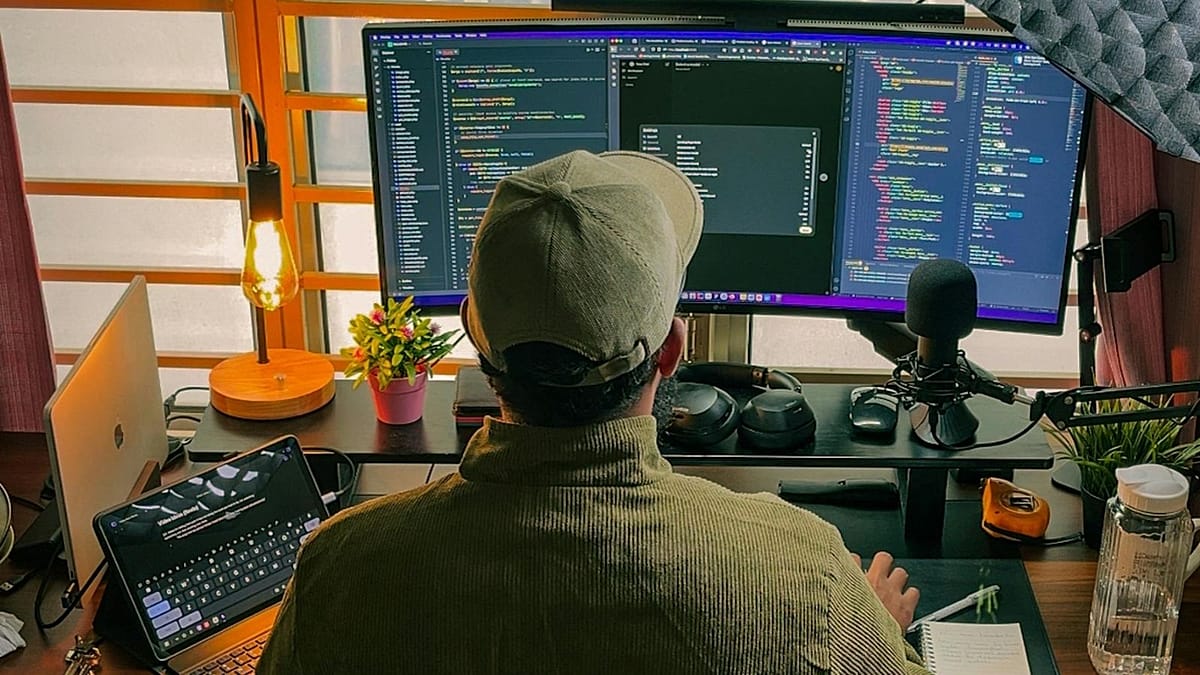
Vibe Coding: Collins Dictionary’s 2025 Word of the Year Signals a Shift in how We Build the Digital World
The Collins Dictionary has declared “vibe coding” its Word of the Year for 2025. This isn’t just a quirky new term; it reflects a fundamental change in how software is created and how you interact with technology.But what exactly is vibe coding, and why is it so significant?
Decoding “vibe Coding”
Simply put, vibe coding is using artificial intelligence, prompted by everyday language, to help write computer code. Think of it as describing what you want a program to do, rather than meticulously writing out every line of instruction. This makes coding more accessible to a wider range of people,even those without formal training.
According to Collins Dictionary, usage of “vibe coding” has surged since its emergence in February 2025. This rapid adoption underscores the growing impact of AI on the tech landscape.
“The selection of ‘vibe coding’ perfectly captures how language is evolving alongside technology,” says Alex Beecroft, Managing Director of Collins Learning. “It signals a major shift in software growth, where AI is making coding more accessible.”
This integration of human creativity and machine intelligence is changing how we interact with computers. It’s a move away from complex syntax and towards a more intuitive,natural language approach.
Beyond Vibe Coding: Other Words Reflecting 2025’s Trends
“Vibe coding” wasn’t the only contender for Collins’ top spot.The shortlist reveals a fascinating snapshot of the preoccupations shaping our world. Many of these terms also appeared on Dictionary.com’s Word of the Year list, highlighting shared cultural currents. here’s a look at some of the runners-up:
* Aura farming: Cultivating a distinct and charismatic online persona.
* Biohacking: Altering your body’s natural processes to improve health and longevity.
* Broligarchy: The influence of a small group of wealthy men in politics.
* Clanker: A playful, sometimes derogatory, term for older computers or AI.
* Coolcation: A vacation destination known for its cool climate.
* Glaze: Excessive and often undeserved praise.
* HENRY: An acronym for “high earner, not rich yet,” describing those with good incomes but limited wealth.
* Micro-retirement: Taking breaks between jobs to pursue personal interests.
* Taskmasking: Appearing busy at work without actually being productive.
These words paint a picture of a society grappling with issues of identity, wellness, wealth, and the changing nature of work.
A look Back: collins’ Previous Words of the Year
Collins Dictionary’s annual word of the Year selections offer a compelling timeline of recent history and cultural shifts. Here’s a recap of the last five years:
* 2020: Lockdown: Defined by the restrictions of the COVID-19 pandemic.
* 2021: NFT: Representing the rise of unique digital assets and blockchain technology.
* 2022: permacrisis: Capturing a period of prolonged instability and insecurity.
* 2023: AI: Acknowledging the growing prominence of artificial intelligence.
* 2024: Brat: Popularized by Charli XCX, embodying a confident and independent attitude.
what Does This Mean for You?
The rise of “vibe coding” and the trends reflected in these shortlisted words suggest a future where technology is more intuitive, personalized, and integrated into our lives.
For developers, it means embracing AI as a powerful tool to accelerate development and broaden access to coding. For everyone else,it means a future where you can possibly bring your ideas to life with less technical expertise.
As technology continues to evolve, staying informed about these linguistic and cultural shifts will be crucial to understanding the world around you.


