Victoria’s Historic Treaty: A New Era for Frist Peoples
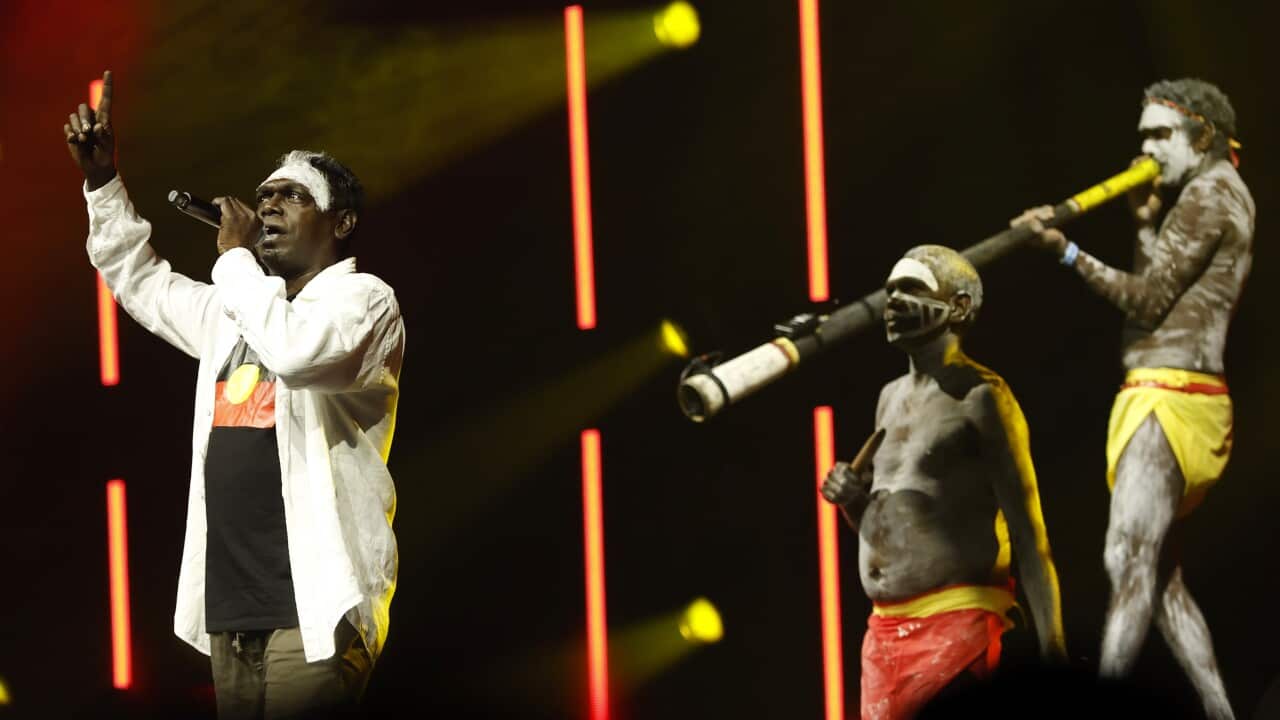
Victoria has officially commenced its Treaty with Indigenous Australians, marking a monumental step towards self-determination and reconciliation. This groundbreaking agreement, celebrated with a free public concert featuring iconic artists like Yothu Yindi and Paul Kelly, signifies the first Treaty with First Peoples in Australian history. But what does this Treaty mean for you, and what does it establish?
A Landmark Achievement: Understanding the Treaty’s significance
For decades, First Peoples in Victoria have advocated for recognition, rights, and a genuine partnership with the state goverment.This Treaty isn’t simply a symbolic gesture; it’s a legally enshrined framework for a more just and equitable future. It acknowledges past injustices and paves the way for meaningful change.
The Treaty Authority describes this moment as a turning point, one that acknowledges the enduring connection of First Peoples to the land and their rich cultural heritage. It’s a testament to the resilience and determination of Victorian Aboriginal communities.
Key Components of the Victorian Treaty
The Treaty elevates the First Peoples’ Assembly of Victoria to a permanent,legislated body. This means:
* Permanent Portrayal: the assembly now has a secure platform to represent the diverse voices and interests of First Peoples.
* Legislated Authority: The Assembly can make decisions within existing parliamentary and democratic structures, giving them real power to shape policy.
* Self-Determination: First Peoples will have greater control over issues that directly affect their communities, including justice, health, and education.
* Practical Outcomes: The focus shifts to delivering tangible benefits and addressing systemic inequalities.
The Ceremony: A Symbolic Act of Commitment
The formal commencement event at John Cain Arena was steeped in cultural significance. Premier Jacinta Allan, Treaty Minister Natalie Hutchins, and Assembly co-chairs Ngarra Murray and Reuben Berg participated in a powerful ceremony.
They placed their hands in ochre, leaving an imprint on a kangaroo skin – a symbolic act of consent and a commitment to the Treaty’s principles. This visual representation underscores the shared responsibility in building a better future.
voices from the Community: Hope and Excitement
Djaran Murray-Jackson, representing the Dja Dja Wurrung People in the First Peoples Assembly of Victoria, expressed his optimism. “I am excited and hopeful for the future,” he told NITV. “We got the first statewide Treaty in this country. And I am excited to see what we can deliver once we have the power to do things that we want to do with our people.”
This sentiment reflects the widespread hope within Victorian Aboriginal communities. The Treaty offers a pathway to address long-standing grievances and create opportunities for self-determination.
Building on a Foundation of Reconciliation
This historic Treaty follows closely on the heels of a significant moment: Premier Allan’s formal apology for past laws and policies that caused harm to Aboriginal Victorians. This apology, delivered just days before the Treaty commencement, acknowledged the injustices inflicted upon First Peoples and signaled a commitment to healing.
Together, the apology and the Treaty represent a powerful one-two punch in the ongoing journey towards reconciliation.
What’s Next? The Path Forward
the commencement of the Treaty is not the end, but rather the beginning of a new chapter. The First Peoples’ Assembly will now focus on:
* Developing a Treaty Implementation Plan: This plan will outline specific actions and timelines for achieving the Treaty’s objectives.
* Negotiating Further Agreements: the Victorian government anticipates future treaties with individual Traditional Owner groups.
* Ongoing Dialog and Collaboration: Maintaining open interaction and collaboration between the government and First Peoples will be crucial for success.
This Treaty serves as a model for other states and territories across Australia.It demonstrates that genuine reconciliation is possible thru meaningful engagement, respect, and a commitment to justice. You can learn more about the Victorian Treaty process and the first Peoples’ Assembly of Victoria on their official website.
Worth a look