
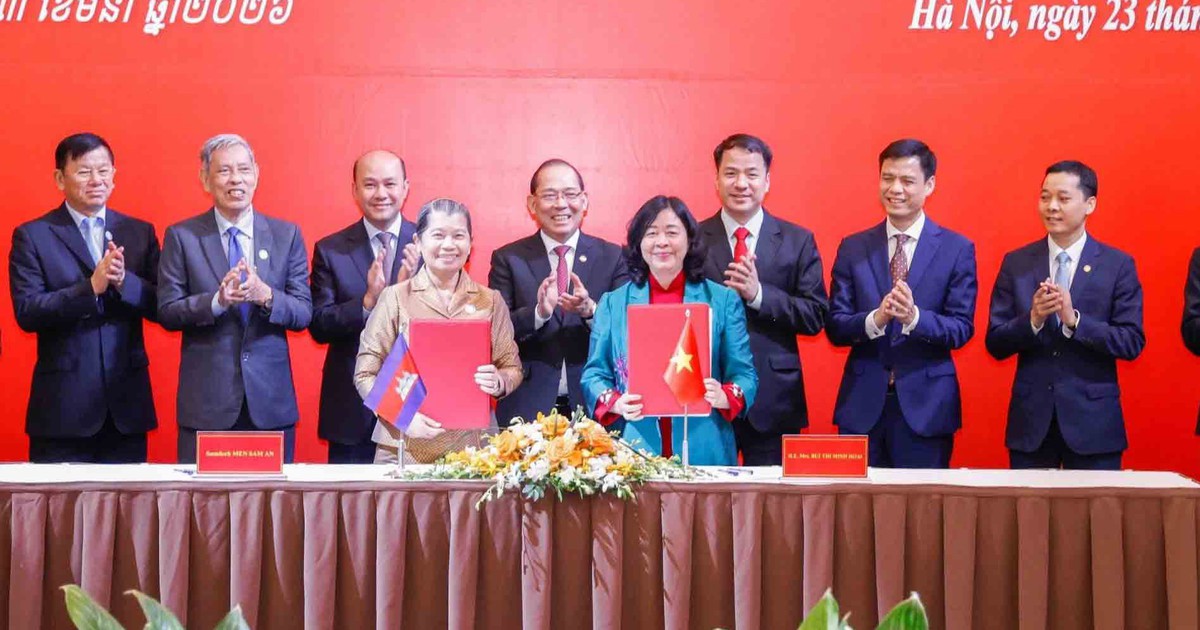
In the sophisticated choreography of modern geopolitics, the most enduring bonds are often those formed not in the gilded halls of state ministries, but through the organic connections between citizens, artists, entrepreneurs, and community leaders. Vietnam is currently doubling down on this philosophy, elevating “people-to-people diplomacy” from a supporting role to a central strategic axis of its international engagement.
This shift is most evident in the strategic directives of the Vietnam Fatherland Front (VFF), the country’s broad-based umbrella organization. By identifying international cooperation and grassroots diplomacy as key priorities, the VFF is signaling a move toward a more holistic form of foreign policy—one that leverages social capital to bolster economic resilience and political stability.
For global investors and diplomatic partners, this evolution is significant. It suggests that Vietnam is seeking to diversify its influence beyond formal treaties, building a “soft power” infrastructure that can withstand the volatility of high-level political shifts. As the nation continues to integrate into the global economy, the ability to foster trust at the community level is becoming as critical as the signing of a Free Trade Agreement.
The Strategic Role of the Vietnam Fatherland Front
The Vietnam Fatherland Front is not a government agency in the traditional sense, but a political alliance that encompasses various social organizations, ethnic groups, and religious communities. Its role in “people-to-people diplomacy” is to act as the bridge between the Vietnamese state and the global community, particularly the millions of overseas Vietnamese (Viet Kieu) who possess significant financial and intellectual capital.
By centering international cooperation as a core axis, the VFF aims to mobilize non-state actors to support national development goals. This includes facilitating the transfer of technology, encouraging foreign direct investment (FDI) through community networks, and enhancing Vietnam’s image abroad. This grassroots approach complements the official government strategy often described as “Bamboo Diplomacy”—flexible and resilient, yet firmly rooted.
The emphasis on this diplomatic axis is a recognition that state-to-state relations can be brittle. When trade disputes or geopolitical tensions arise between capitals, the pre-existing ties between universities, professional associations, and cultural groups provide a critical safety net that keeps communication channels open.
Defining ‘People-to-People’ Diplomacy in the Vietnamese Context
In Vietnam, people-to-people diplomacy refers to the systematic promotion of exchanges that bypass formal bureaucratic channels to create mutual understanding. This is not merely about tourism or cultural festivals; it is a calculated effort to build “relational wealth” that can be converted into economic and political leverage.

Key pillars of this strategy include:
- Diaspora Engagement: Actively courting the overseas Vietnamese community to bring skills, capital, and international networks back to the mainland.
- Academic and Professional Exchanges: Strengthening ties between Vietnamese universities and global research institutions to accelerate the transition to a high-tech economy.
- Cultural Diplomacy: Utilizing the arts and traditional heritage to create a positive, recognizable brand for Vietnam on the global stage.
- NGO and Civil Society Collaboration: Partnering with international non-governmental organizations to address shared challenges such as climate change and sustainable agriculture.
This approach allows Vietnam to project influence and build trust in a way that feels less like a state mandate and more like a natural partnership. For a country that has historically navigated the interests of several global superpowers, this decentralized form of diplomacy reduces the risk of being seen as overly aligned with any single bloc.
Economic Implications and International Cooperation
From a business perspective, the push for strengthened international cooperation via the VFF has tangible benefits. Market entry into Vietnam is often smoothed when there are existing community-level connections. When “people-to-people” ties are strong, the perceived risk for foreign investors decreases, as they have access to trusted local intermediaries and a deeper understanding of the social landscape.
this strategy is closely tied to Vietnam’s ambition to escape the middle-income trap. By fostering international cooperation in education and vocational training, Vietnam is attempting to upgrade its labor force. The focus is shifting from providing low-cost manufacturing to becoming a hub for innovation and digital services, a transition that requires deep, sustained intellectual exchange with advanced economies.
The integration of this diplomatic axis into the VFF’s mission also suggests a more coordinated effort to attract “quality” FDI—investments that bring not just capital, but also knowledge transfer and sustainable business practices. By leveraging grassroots networks, Vietnam can target specific industries and expertise that align with its long-term development goals.
Navigating the Challenges of Grassroots Diplomacy
Despite the potential, this strategy is not without its complexities. The primary challenge lies in balancing the state’s desire for coordinated outreach with the organic, often unpredictable nature of people-to-people connections. For diplomacy to be truly “between peoples,” there must be a degree of authenticity and autonomy that can sometimes clash with centralized planning.
Vietnam must navigate the delicate balance of its “Bamboo Diplomacy” in an era of increasing US-China competition. While people-to-people ties can bridge gaps, they can also become flashpoints if they are perceived as conduits for foreign influence. The VFF’s task is to facilitate cooperation that benefits the national interest without compromising political stability.
the effectiveness of this strategy depends heavily on the ability of the Vietnamese state to continue its internal reforms. International partners are more likely to engage at a grassroots level when they see a transparent legal environment and a commitment to the rule of law. The success of people-to-people diplomacy is inextricably linked to Vietnam’s internal governance trajectory.
Key Takeaways for Global Observers
- Strategic Pivot: Vietnam is elevating grassroots, non-state diplomacy to a primary axis of its foreign policy to build resilience.
- VFF as Catalyst: The Vietnam Fatherland Front is the central vehicle for mobilizing diaspora and social organizations for international cooperation.
- Economic Driver: This approach is designed to attract high-quality investment and facilitate the knowledge transfer necessary for economic upgrading.
- Risk Mitigation: By diversifying its connections, Vietnam reduces its vulnerability to high-level geopolitical volatility.
What Happens Next
The implementation of these diplomatic goals will likely be reflected in a series of upcoming high-level forums and community-led initiatives focused on the overseas Vietnamese community and international academic partnerships. Observers should watch for new bilateral agreements that specifically emphasize “cultural and social exchange” alongside trade and security, as these will be the primary indicators of this strategy in action.

As Vietnam continues to redefine its place in the global order, the success of its people-to-people diplomacy will serve as a litmus test for its ability to blend political control with the openness required for global integration.
Do you believe that grassroots diplomacy is more effective than state-level treaties in the current geopolitical climate? Share your thoughts in the comments below or share this analysis with your professional network.