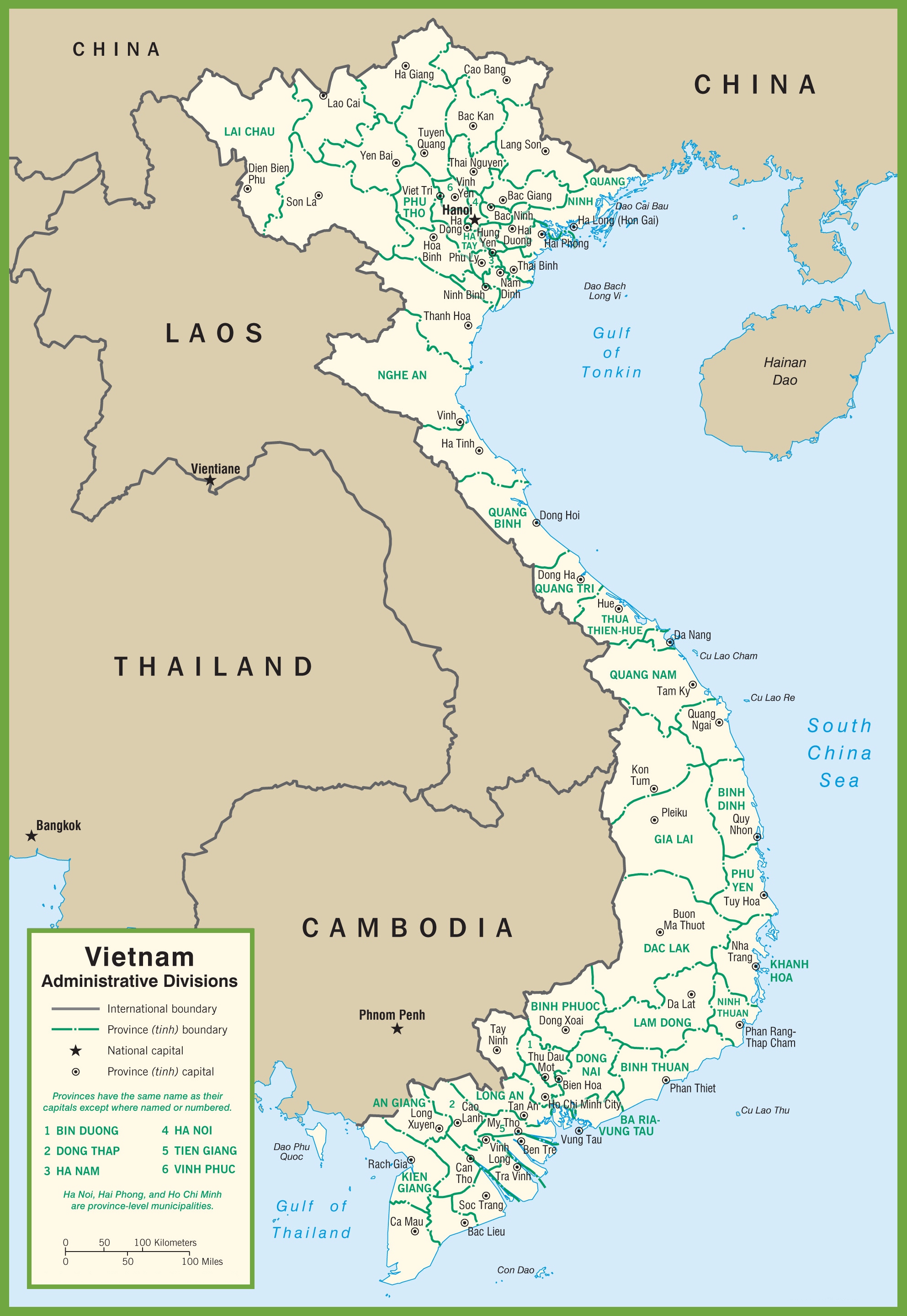
Vietnam and Cambodia are accelerating efforts to integrate their digital economies, with a primary focus on expanding cross-border e-commerce to bolster regional trade. Officials from both nations are prioritizing the development of digital infrastructure and harmonized regulatory frameworks to facilitate smoother transactions between businesses and consumers across their shared border, according to reports from the Vietnam E-commerce and Digital Economy Agency.
This initiative represents a strategic shift toward digitizing traditional trade corridors. By reducing administrative friction, both countries aim to increase the volume of goods exchanged through online platforms, moving away from reliance on purely physical logistics. The move follows broader regional directives from the ASEAN Economic Community, which has long advocated for the removal of non-tariff barriers to digital trade within Southeast Asia, as detailed in the ASEAN Economic Community Blueprint 2025.
Digital Integration and Regulatory Alignment
The core of the bilateral strategy involves aligning the legal standards governing e-commerce. Currently, businesses operating across the Vietnam-Cambodia border face discrepancies in payment processing, consumer protection laws, and data privacy regulations. The Vietnam E-commerce and Digital Economy Agency, under the Ministry of Industry and Trade, has indicated that ongoing dialogues are intended to synchronize these policies to provide a predictable environment for small and medium-sized enterprises (SMEs).

According to the World Trade Organization’s work program on electronic commerce, such alignment is critical for developing nations to ensure that digital trade contributes to inclusive growth. For Vietnam and Cambodia, this involves creating a unified digital identity system for businesses and simplifying cross-border customs declarations for low-value goods. By automating these processes, the two nations hope to lower the cost of entry for local merchants who previously found traditional export channels prohibitively expensive.
Economic Impact and Regional Trade Flows
The expansion of cross-border e-commerce is expected to have a tangible impact on local economies situated along the border. Historically, trade in these regions has been informal; however, the shift toward e-commerce provides a pathway to formalize these exchanges. This formalization allows for better tracking of economic data, which in turn helps governments allocate resources more effectively for infrastructure development.

Data from the World Bank on trade in goods and services highlights that both Vietnam and Cambodia have experienced significant growth in their respective digital sectors over the last five years. By creating a cross-border digital corridor, the two countries are positioning themselves to capitalize on the increasing internet penetration rates in rural border provinces. This transition is not merely about consumer retail; it is fundamentally about enabling business-to-business (B2B) transactions that allow manufacturers in Vietnam to reach retailers in Cambodia with greater speed and transparency.
Addressing Logistical and Technical Challenges
Despite the potential benefits, several technical hurdles remain. Logistics and last-mile delivery systems in rural areas require significant investment to meet the demands of a modern e-commerce ecosystem. Furthermore, cybersecurity remains a top priority for both governments as they integrate their financial systems. The International Telecommunication Union (ITU) Global Cybersecurity Index underscores the necessity of robust national strategies to protect cross-border digital transactions from fraud and data breaches.
To mitigate these risks, the collaborative effort includes knowledge-sharing sessions between the Vietnam E-commerce and Digital Economy Agency and their Cambodian counterparts. These sessions focus on capacity building, training local entrepreneurs to use digital tools, and establishing secure payment gateways that comply with international standards. The goal is to create a trusted environment where consumers feel secure making online purchases from vendors in the neighboring country.
Next Steps in Bilateral Cooperation
The next phase of this cooperation is expected to involve a series of pilot projects targeting high-demand product categories, such as agricultural goods and processed foods. These pilot programs are designed to test the efficacy of the new, simplified customs procedures and digital payment systems. Future updates will be provided through the ministries of industry and trade in both Hanoi and Phnom Penh as these initiatives progress toward full implementation.

Stakeholders, including logistics providers and digital platform operators, are encouraged to monitor official government portals for upcoming consultations and regulatory announcements. As the digital trade landscape continues to evolve, the cooperation between Vietnam and Cambodia serves as a test case for how neighboring economies can leverage technology to deepen regional integration. Readers are invited to share their perspectives on the impact of these digital initiatives in the comments section below.