
The quest for a long-awaited return to the pinnacle of European football remains balanced on a knife-edge after Arsenal fought to a 1-1 draw against Atlético Madrid in the first leg of the 2025-26 UEFA Champions League (UCL) semi-finals. In a match defined by tactical rigidity and high-stakes tension, the English side managed to secure a crucial away goal, though they leave Spain without the definitive advantage they sought.
Played at the Riyadh Air Metropolitano in Madrid on April 30, the encounter saw both sides trade penalties in a contest where neither manager was willing to overextend. For Arsenal, the result keeps the dream of reaching their first UCL final in 20 years alive, while Atlético Madrid relies on their home-turf resilience to keep the tie open heading into the return leg.
The match was a clash of philosophies, pitting Arsenal’s structured attacking approach against the disciplined, defensive organization for which the Spanish side is renowned. While the scoreline suggests a stalemate, the underlying narrative was one of missed opportunities and a desperate struggle for control in the midfield.
Penalty Trade-Off: Gyökeres and Álvarez Cancel Each Other Out
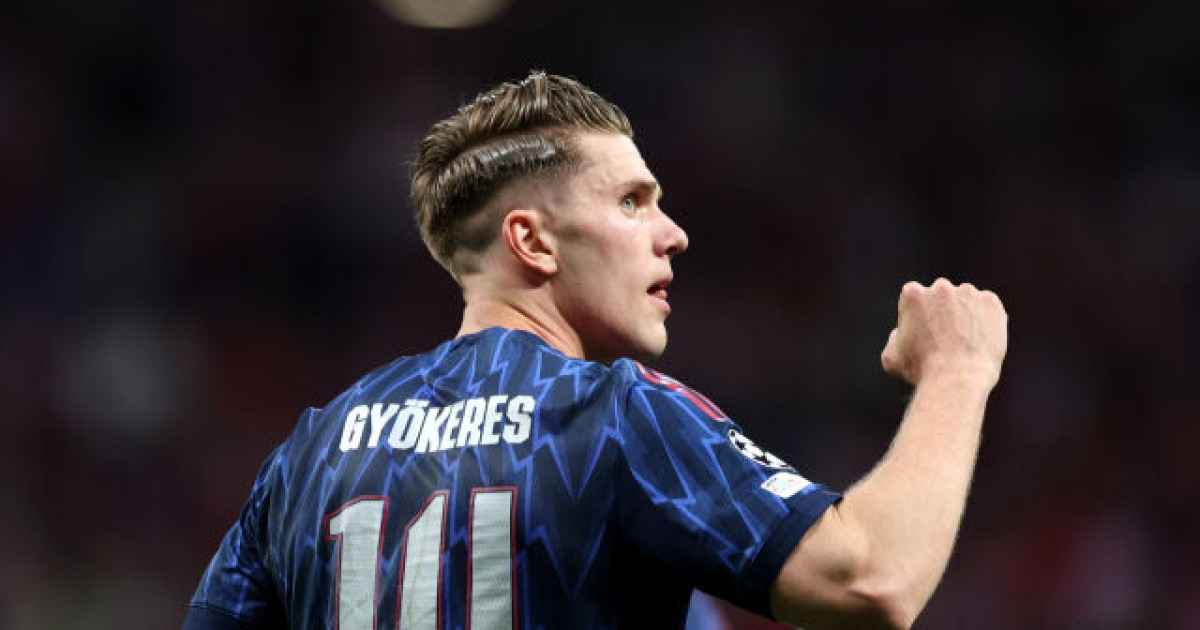
The scoring was opened by Arsenal’s Viktor Gyökeres, who converted a penalty to deliver the visitors a lead and a moment of euphoria in a hostile atmosphere. Gyökeres, acting as the focal point of the Arsenal attack, demonstrated the composure required for the occasion, momentarily silencing the Madrid crowd and putting the English side in a position of strength.
However, the lead was short-lived. Atlético Madrid responded with the same clinical method, as Julián Álvarez stepped up to convert a penalty of his own. The equalizer restored parity and shifted the momentum back to the home side, ensuring that the first leg ended in a deadlock that leaves the tie completely undecided.
The reliance on penalties to decide the scoreline underscored the difficulty both teams faced in breaking through established defensive blocks. Despite the offensive talent on display, the most dangerous chances were often neutralized by disciplined positioning or goalkeeper intervention.
Tactical Breakdown: Formation and Personnel
Arsenal entered the fray with a 4-3-3 formation, designed to stretch the play and penetrate Atlético’s deep line. The attacking trio consisted of Gabriel Martinelli, Viktor Gyökeres, and Noni Madueke. In the center of the pitch, the midfield was anchored by Declan Rice and Martin Zubimendi, with Martin Ødegaard acting as the primary creative engine. The defensive line featured Piero Inkapie, Gabriel Magalhães, William Saliba, and Ben White, with David Raya guarding the goal.

Atlético Madrid countered with a classic 4-4-2 system, emphasizing stability and rapid transitions. The strike partnership of Antoine Griezmann and Julián Álvarez provided a blend of creativity and finishing, while Ademola Lookman and Giuliano Simeone provided width. The midfield was managed by Johnny Cardoso and Koke, supported by a defensive wall of Mateo Ruggeri, David Hancko, Marc Pubill, and Marcos Llorente. Jan Oblak remained the last line of defense in goal.
Key Match Dynamics
- Early Pressure: Arsenal attempted to seize control early. In the 6th minute, Noni Madueke utilized his individual skill to break through the right half-space. His subsequent cross bypassed Martinelli but found Piero Inkapie, whose shot unfortunately lacked the precision to beat Oblak.
- Atlético’s Response: The Spanish side looked to punish Arsenal on the break. In the 14th minute, Julián Álvarez managed to shield the ball under heavy pressure outside the penalty area before unleashing a powerful right-footed long-range strike. The effort required a sharp save from David Raya to prevent Atlético from taking the lead.
- Midfield Battle: Much of the game was played as a war of attrition in the center, with Zubimendi and Rice working to disrupt Atlético’s build-up play while Koke attempted to orchestrate the home side’s counter-attacks.
The Stakes: A 20-Year Ambition
For Arsenal, this semi-final is more than just a path to a trophy; it is an attempt to break a two-decade drought. The club has not appeared in a Champions League final for 20 years, and the current squad is under immense pressure to deliver a historic breakthrough. The 1-1 draw in Madrid is a positive result in terms of the away goal dynamic, but it leaves the team vulnerable to a single mistake in the second leg.
Atlético Madrid, conversely, remains a formidable obstacle. Their ability to absorb pressure and strike clinically—as evidenced by the Álvarez penalty—makes them a dangerous opponent for any team aspiring to the final. The tactical discipline shown at the Riyadh Air Metropolitano suggests they will be equally stubborn when they travel to London.
Looking Ahead: The Deciding Leg
The tie now moves to North London, where the second leg will take place in six days. With the aggregate score tied at 1-1, the match is effectively a reset, though Arsenal holds the psychological advantage of playing in front of their home supporters.

The tactical battle is expected to intensify. Arsenal will likely look to increase their tempo and create more high-quality chances from open play to avoid another reliance on penalties. Atlético will almost certainly employ a low block, looking to frustrate the Gunners and snatch a victory on the counter-attack or through a set-piece.
| Detail | Atlético Madrid | Arsenal |
|---|---|---|
| Final Score | 1 | 1 |
| Goalscorer | Julián Álvarez (PK) | Viktor Gyökeres (PK) |
| Formation | 4-4-2 | 4-3-3 |
| Venue | Riyadh Air Metropolitano, Madrid | |
| Next Leg | In 6 days at Arsenal’s home stadium | |
The next confirmed checkpoint for this tie is the second leg, scheduled for six days from the initial encounter. This match will determine which side advances to the UEFA Champions League final.
Do you suppose Arsenal can overcome Atlético’s defense in the second leg, or will the Spanish side pull off an upset in London? Share your thoughts in the comments below.