
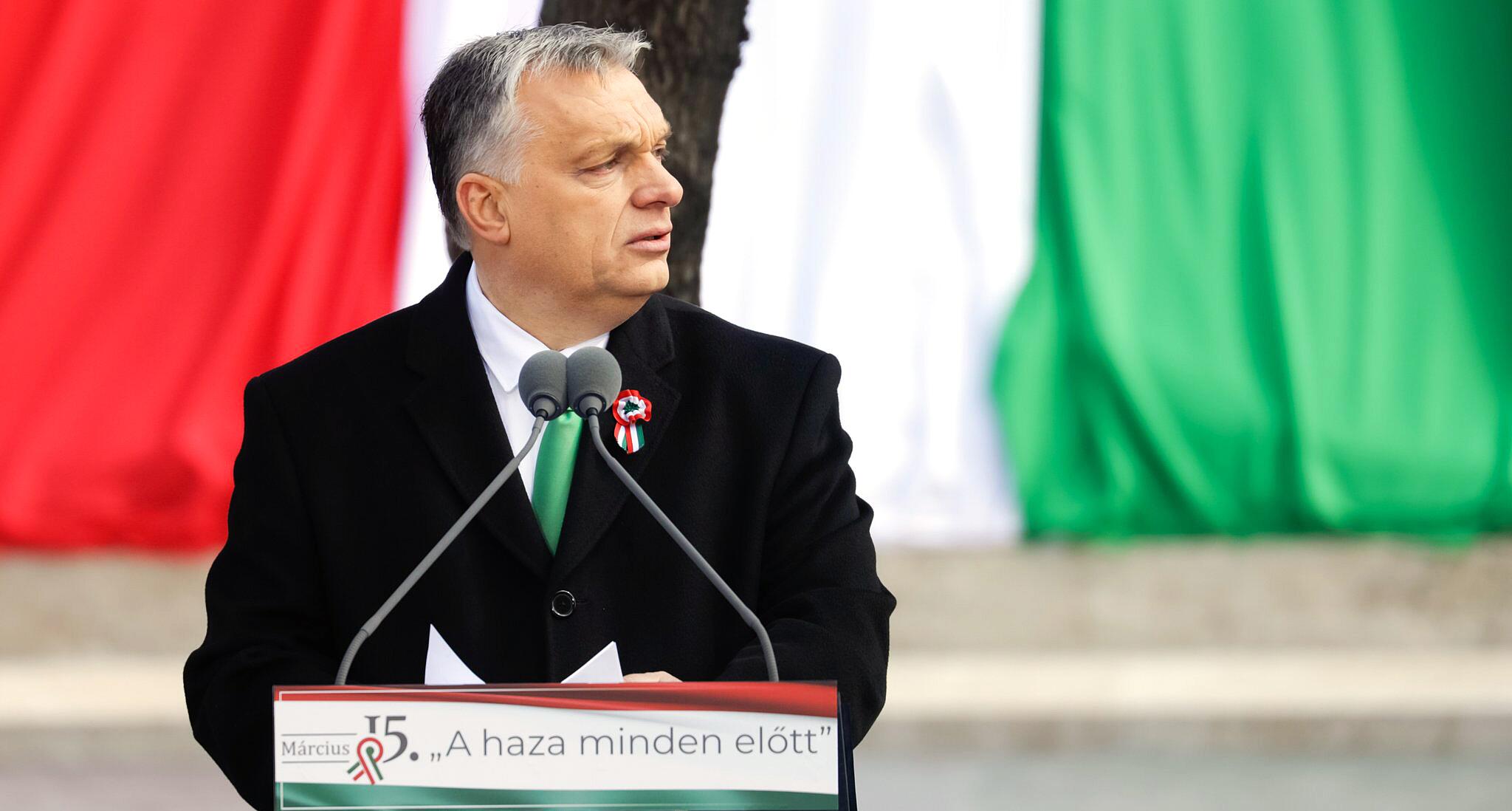
Hungary’s political landscape has undergone a seismic shift following the April 2026 parliamentary elections, in which Prime Minister Viktor Orbán’s Fidesz party suffered a decisive defeat. After 16 years in power, Orbán conceded defeat as the opposition Tisza party, led by Péter Magyar, secured a two-thirds majority in the National Assembly. The result marked the end of Fidesz’s prolonged dominance and prompted Orbán to announce his intention to step down from his parliamentary seat while expressing a desire to remain as party president.
In the aftermath of the election, Orbán addressed supporters in Budapest, acknowledging the scale of the loss and calling for a “complete renewal” of his party. Speaking to a pro-Orbán YouTube channel days after the vote, he stated that “a political era has ended,” but emphasized that he was already working to rebuild Fidesz from within. The election outcome not only ended Orbán’s tenure as prime minister but also disrupted the party’s long-standing alliance with the Catholic Church and its influence over national institutions.
The defeat represents one of the most significant electoral reversals in Hungary’s post-communist history. Fidesz, which Orbán helped found in 1988 as an anticommunist youth movement, had won four consecutive parliamentary elections since 2010. Its decline in 2026 was attributed to growing public dissatisfaction with corruption allegations, strained relations with European Union partners, and economic pressures exacerbated by inflation and wage stagnation. The Tisza party’s campaign focused on restoring democratic norms, judicial independence, and Hungary’s standing within the EU.
Orbán’s decision to relinquish his parliamentary seat while seeking to retain leadership of Fidesz reflects a strategic effort to maintain influence over the party’s direction during its period of renewal. However, internal divisions have emerged, with some factions calling for a complete break from Orbán’s legacy and others advocating for a gradual transition. Political analysts note that the party’s future will depend on its ability to reconnect with voters outside its traditional base and address concerns about authoritarian tendencies that had drawn criticism from international observers.
The election results were confirmed by Hungary’s National Election Committee, which reported that the Tisza party secured 134 seats in the 199-member National Assembly, surpassing the 133-seat threshold required for a two-thirds majority. Fidesz won only 52 seats, its lowest tally since 2002. Voter turnout exceeded 70%, one of the highest in recent Hungarian electoral history, underscoring the public’s engagement with the political process.
Internationally, the outcome has been welcomed by EU officials who had repeatedly criticized Fidesz-led governments for undermining rule of law standards and media freedom. The European Commission had initiated infringement procedures against Hungary over judicial reforms and asylum policies, actions that Orbán had framed as defending national sovereignty. With a supermajority now held by the opposition, there is potential for reversing controversial legislation and restoring checks, and balances.
Orbán, who has maintained close ties with figures such as former U.S. President Donald Trump and Russian President Vladimir Putin, faces an uncertain political future. While he has not ruled out a return to power, his immediate focus appears to be on guiding Fidesz through a phase of introspection and reform. Whether he can successfully lead a renewal effort remains to be seen, particularly as new voices within the party push for a departure from the policies that defined his era.
The next confirmed checkpoint in Hungary’s political process is the convening of the newly elected National Assembly, scheduled for early May 2026, where members will be sworn in and a new prime minister will be formally appointed. This session will mark the official transfer of power and set the legislative agenda for the coming term.
For ongoing updates on Hungary’s political transition, readers can follow official announcements from the National Election Committee and the Hungarian Parliament’s website. We invite you to share your thoughts on this pivotal moment in European politics in the comments below and to share this article with others interested in global affairs.