
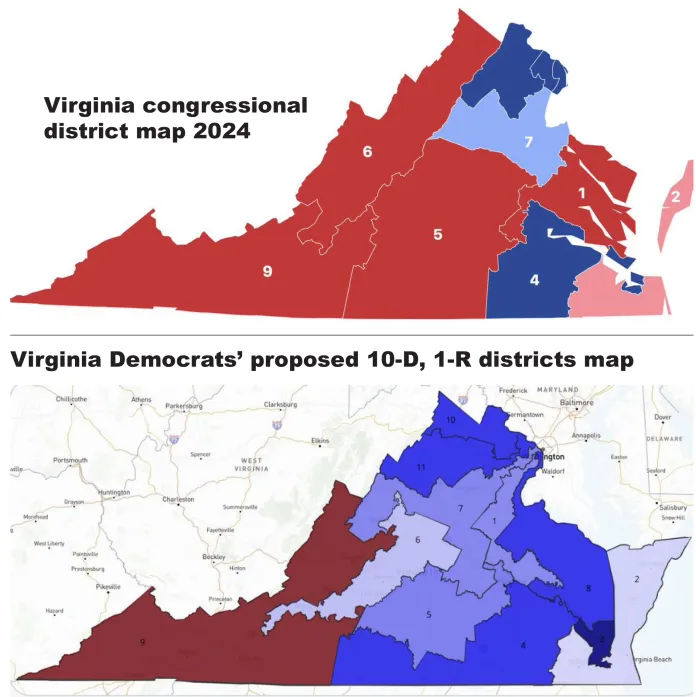
Virginia Democrats are currently navigating the political fallout of a major redistricting setback after the state supreme court struck down efforts to redraw congressional maps in a move that would have potentially created four additional Democratic-leaning districts. The ruling has effectively restored the state’s original congressional map, forcing party strategists and local volunteers to recalibrate their approach ahead of the 2026 midterm elections. The legal reversal has created a period of uncertainty for campaigns, particularly in competitive areas like Virginia’s First District, which encompasses much of the state’s coastline and reaches into the suburban regions near Richmond.
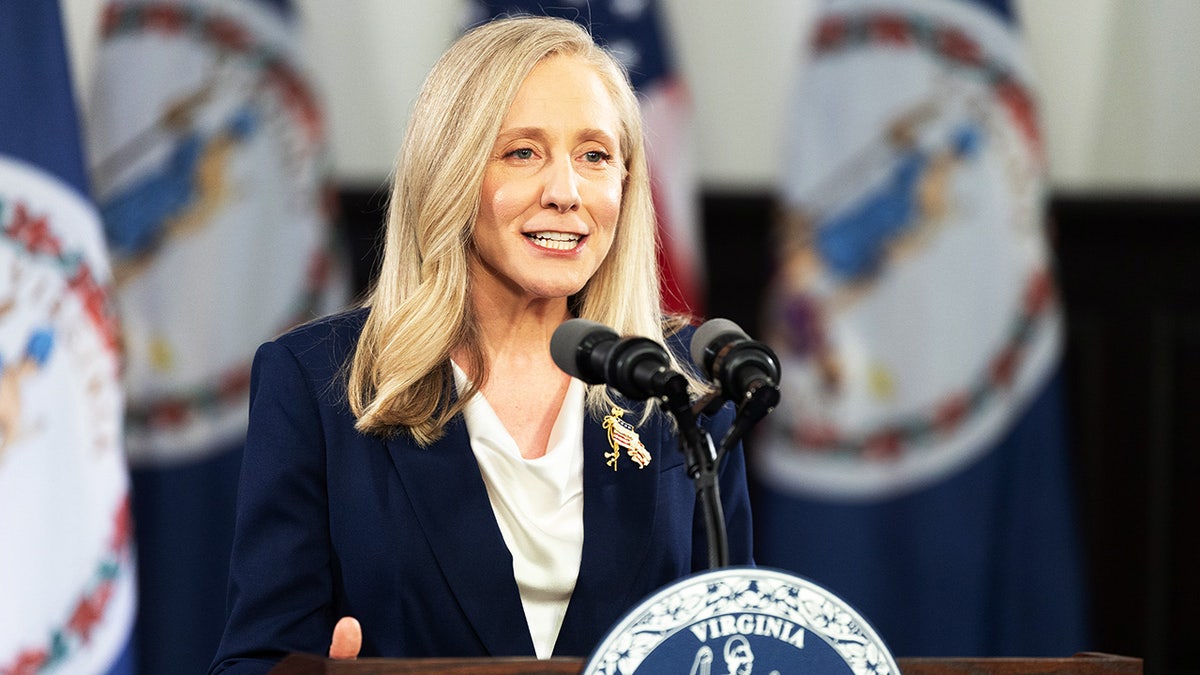
The legislative and judicial battle over redistricting has become a central point of tension within the party, highlighting a divide over how best to approach the upcoming election cycle. Virginia Governor Abigail Spanberger has publicly expressed concerns regarding the party’s national redistricting strategy, specifically rejecting the “maximum warfare, everywhere, all the time” approach advocated by House Minority Leader Hakeem Jeffries. According to reporting from the New York Times in May 2026, Governor Spanberger characterized the focus on immediate map-changing efforts as “outrageously premature,” arguing that the party’s primary objective must be securing victories in the November midterms.
Redistricting exhaustion and voter morale
The judicial decision to void the proposed maps has had a tangible impact on grassroots organizers who invested significant time and resources into the referendum effort. In Virginia’s First District, volunteers who spent months knocking on doors and advocating for the change are now facing a period of demobilization. For many, the court’s intervention has fostered a sense of frustration regarding the efficacy of civic participation. Katie Sitterson, a volunteer with Indivisible Virginia, described the current climate as taking “the air out of your sails,” noting that the reversal has left some supporters questioning the impact of their political engagement.
This sense of “lack of agency” among the electorate is a major concern for Democratic candidates attempting to maintain enthusiasm through the long lead-up to November. While national party leaders may view aggressive redistricting battles as a way to energize the base, local organizers in purple districts emphasize that such efforts can be exhausting for volunteers. The current political climate in Virginia suggests that candidates are finding it more effective to focus on localized issues rather than nationalized redistricting fights, as the latter can often feel detached from the immediate concerns of voters in competitive districts.
Shifting messaging on corruption and affordability
As the midterm cycle matures, Democratic candidates are increasingly framing their campaign messages around a combination of affordability and government integrity. Drawing on a theme popularized by national figures like Senator Jon Ossoff (D-GA), many candidates are attempting to link rising costs of living directly to what they describe as corruption within the federal government. This messaging shift reflects a broader attempt to move beyond the social justice-heavy rhetoric of previous cycles and toward issues that resonate across a broader spectrum of voters, including independents.
Tim Cywinski, one of the candidates seeking the Democratic nomination in Virginia’s First District, has centered his campaign on the intersection of economic hardship and political ethics. He argues that voters are increasingly receptive to the idea that their personal financial struggles are linked to the actions of political leaders. By focusing on the narrative that the government is failing to address the rising cost of living while officials benefit from their positions, candidates hope to broaden their appeal. This strategy aims to bridge the gap between traditional Democratic voters and those who may have supported Republican candidates in previous elections, focusing on a shared frustration with the current economic reality.
The future of the 2026 midterm strategy
The path forward for Virginia Democrats remains complex as the party balances national directives with local realities. The tension between the “maximum warfare” approach favored by national leadership and the more cautious, localized strategy preferred by state leaders like Governor Spanberger is likely to persist through the primary season. Candidates continue to hold forums and engage with voters, such as the recent event hosted at the Libbie Mill Library in Richmond, where the focus remained on refining a platform that can survive in a competitive political environment.
While the redistricting effort has stalled, the underlying issues of party unity and message discipline remain front and center. As the November 2026 midterms approach, the ability of candidates to successfully synthesize the frustration over the redistricting loss with a compelling economic message will be a key indicator of the party’s strength. Voters and political observers should look for upcoming primary results and official campaign finance disclosures for further insight into how these competing strategies are performing on the ground.
Keep reading