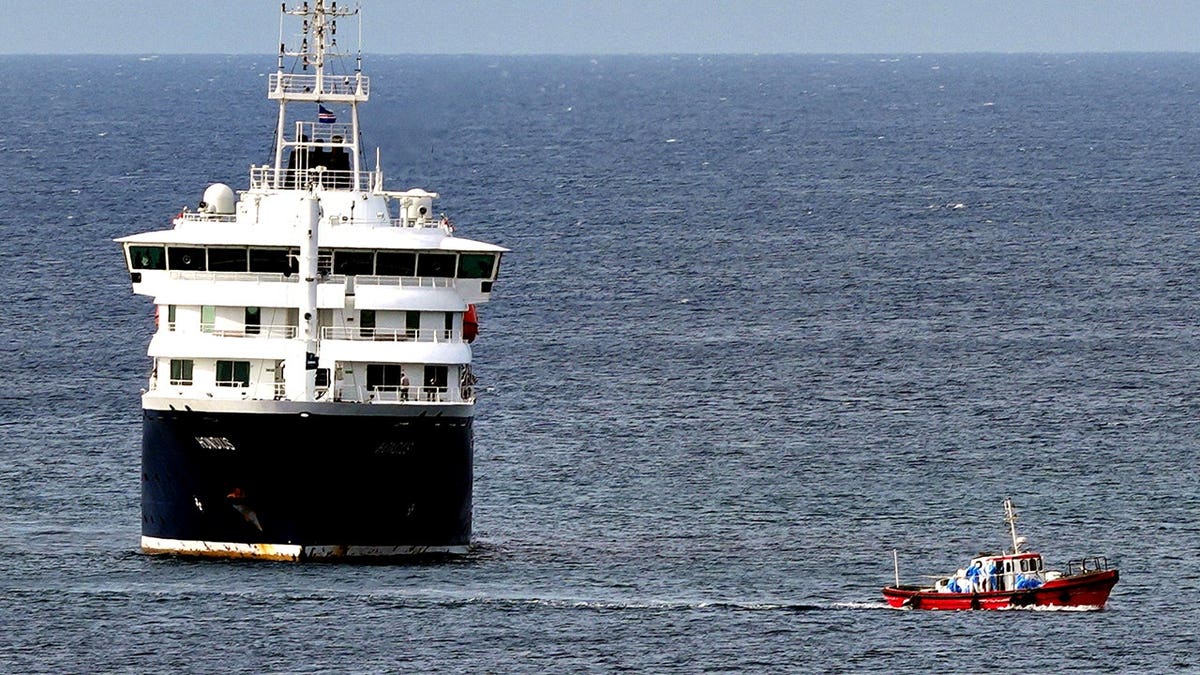
Argentine health authorities are intensifying their investigation into the transmission of the hantavirus aboard the expedition cruise ship Hondius. Officials are working to determine how the virus was introduced to the vessel, which carries passengers and crew through remote regions. This inquiry follows reports of a hantavirus outbreak that affected individuals on board, prompting a coordinated medical and epidemiological response to contain the pathogen and prevent further spread.
The hantavirus, a zoonotic disease typically transmitted to humans through contact with the urine, droppings, or saliva of infected rodents, presents unique challenges in a maritime environment. Health experts are currently tracing the potential exposure points during the ship’s itinerary, which spanned waters between Argentina and Cape Verde. By analyzing the vessel’s logistics and environmental conditions, investigators aim to pinpoint the precise mechanism of infection and verify the safety status of those currently on board.
Understanding the Hantavirus Risk
Hantaviruses are a group of viruses that can cause serious respiratory or renal illness in humans. According to the Centers for Disease Control and Prevention (CDC), while human-to-human transmission is rare for most hantavirus strains, the virus is primarily contracted by inhaling aerosolized particles from rodent excreta. In the context of a cruise ship, the investigation centers on whether rodents were present in areas of the ship or if the virus was introduced via contaminated supplies or during shore excursions in regions where hantavirus is endemic.
The clinical presentation of hantavirus pulmonary syndrome (HPS) often begins with flu-like symptoms, including fever, muscle aches, and fatigue, which can rapidly progress to respiratory distress. Because these symptoms mirror many common viral infections, early identification and clear communication between maritime medical staff and public health agencies are vital for effective patient management and disease control.
The Investigation Process
The current investigation by Argentine health officials involves rigorous testing of both the vessel’s environment and the individuals who have shown symptoms. Epidemiologists are reviewing the ship’s sanitation logs, pest control records, and the medical history of the affected passengers. This process is designed to distinguish between possible environmental exposure during land-based activities and potential contamination within the ship’s infrastructure.
International health regulations require that ships document any significant health events to port authorities. In this instance, the collaboration between the World Health Organization (WHO) and local Argentine health departments is focused on standardizing the testing protocols to ensure that the findings are both accurate and actionable. For travelers, this serves as a reminder of the importance of maintaining hygiene standards and avoiding contact with wildlife, particularly in areas where hantavirus-carrying rodent populations are known to exist.
Public Health Measures and Next Steps
As the investigation continues, the primary goal remains the stabilization of the affected individuals and the prevention of new cases. The Pan American Health Organization (PAHO) often provides guidance on managing outbreaks of zoonotic diseases in the Americas, emphasizing the need for robust vector control and rapid diagnostic testing. The Hondius is subject to strict quarantine and disinfection protocols as required by maritime health law to ensure that the ship is cleared for future operations only after the risk of transmission has been definitively eliminated.

Future updates regarding the health status of the passengers and the confirmed source of the virus will be provided by the Argentine Ministry of Health as clinical data becomes available. Passengers and crew members are encouraged to monitor their health for any onset of symptoms and to report them immediately to medical personnel. We will continue to track this situation as official reports are released.
Dr. Helena Fischer, Editor of Health at World Today Journal, covers global health policy and infectious disease outbreaks. For more updates on this developing story, please check back for official statements from international health authorities.