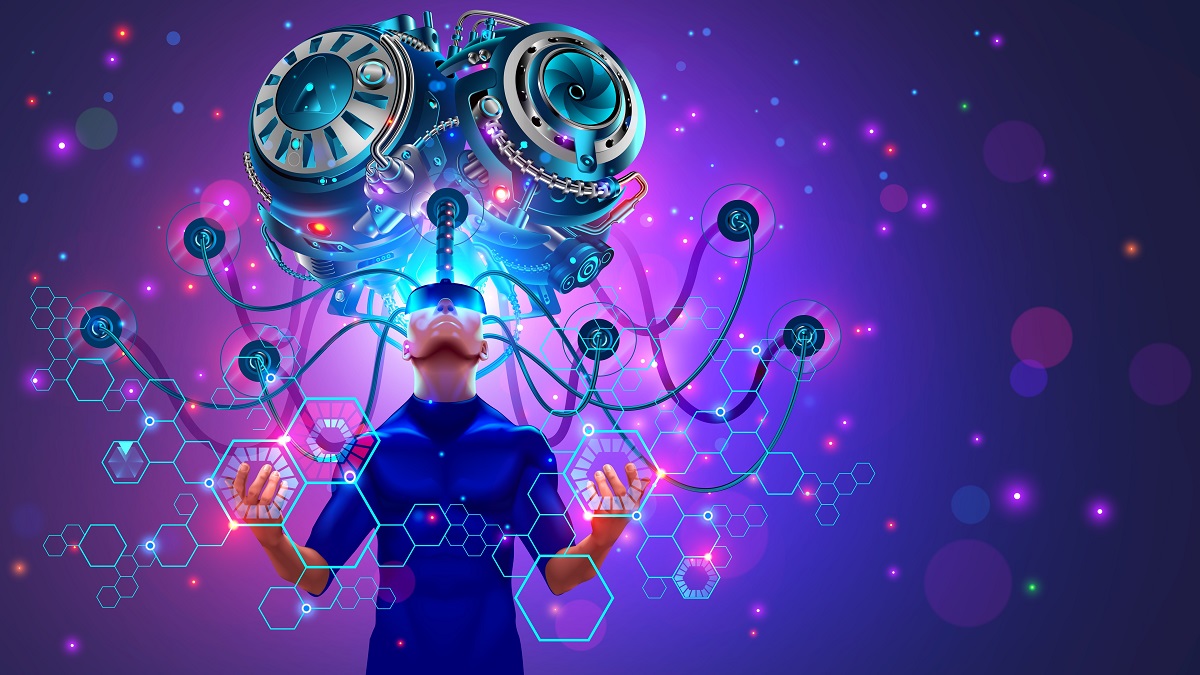
Researchers are increasingly integrating virtual reality (VR) with non-invasive brain stimulation to accelerate motor recovery in stroke survivors. Recent clinical investigations indicate that combining these technologies may enhance neuroplasticity—the brain’s ability to reorganize itself—more effectively than traditional physical therapy alone. By pairing immersive, goal-oriented tasks with targeted electrical or magnetic stimulation, clinicians aim to provide a more robust environment for post-stroke rehabilitation.
As a physician, I have observed that the primary challenge in stroke recovery remains the translation of clinical gains into everyday functional independence. The convergence of digital therapeutics and neuromodulation represents a shift toward precision rehabilitation, where interventions are tailored to the specific motor deficits of the patient. According to data from the World Health Organization, stroke is a leading cause of long-term disability globally, making the exploration of such technological interventions a significant priority for public health.
The Mechanics of VR-Assisted Neurorehabilitation
Virtual reality in stroke rehabilitation functions by creating a high-repetition, feedback-rich environment that engages the motor cortex. Unlike static exercises, VR allows patients to practice reach-and-grasp tasks in simulated real-world scenarios. The American Heart Association notes that intensive, task-specific training is essential for fostering neural recovery following a cerebrovascular accident. By gamifying these movements, VR systems can maintain patient engagement, which is often a limiting factor in long-term rehabilitation compliance.
When combined with neuromodulation techniques, such as Transcranial Direct Current Stimulation (tDCS) or Repetitive Transcranial Magnetic Stimulation (rTMS), the therapeutic potential appears to increase. Neuromodulation works by modulating the excitability of cortical neurons, essentially “priming” the brain to respond more readily to the physical practice occurring within the VR headset. Research published in peer-reviewed journals often highlights that this synergistic approach can lead to more durable improvements in upper-limb motor function compared to practicing without these electrical or magnetic adjuncts.
Clinical Implications and Evidence Trends
The integration of these technologies addresses the “learned non-use” phenomenon, where stroke survivors avoid using their affected limbs due to difficulty or frustration. By providing immediate visual feedback in a virtual environment, patients often perceive their movements as more successful, which can override the compensatory behaviors that typically hinder recovery. According to clinical studies aggregated by the Cochrane Library, the intensity and duration of the intervention remain critical variables in determining patient outcomes.
However, the field is still navigating the standardization of these protocols. Clinicians must determine the optimal timing, frequency, and intensity of neuromodulation relative to VR sessions. While early results are encouraging, large-scale randomized controlled trials are currently underway to confirm long-term efficacy across diverse stroke populations. These studies are vital for establishing clinical guidelines that will allow physical therapists and neurologists to prescribe these digital tools with the same confidence as traditional pharmaceutical or physical interventions.
Accessibility and the Future of Tele-Rehabilitation
One of the most promising aspects of this technological evolution is the potential for tele-rehabilitation. As VR hardware becomes more affordable and portable, there is a growing interest in bringing these sophisticated recovery tools into the patient’s home. The ability to monitor motor progress remotely through integrated sensors allows healthcare providers to adjust treatment plans in real-time without requiring frequent clinic visits. This is particularly important for patients in rural or underserved areas who may otherwise lack access to specialized stroke centers.
The Centers for Disease Control and Prevention emphasizes that stroke recovery is a marathon, not a sprint. The integration of VR and neurostimulation provides a structured, objective framework for this extended recovery period. Future developments are likely to focus on integrating artificial intelligence to further personalize the difficulty levels of VR tasks, ensuring that the rehabilitation experience remains challenging but attainable as the patient’s motor function improves.
As the medical community continues to collect data on these hybrid rehabilitation models, the focus will shift toward accessibility and insurance coverage. Patients and caregivers are encouraged to consult with their attending neurologists or physiatrists regarding the availability of neuro-rehabilitation trials or emerging digital therapy programs in their region. We look forward to forthcoming updates from major neurological conferences, where the next set of longitudinal study results is expected to clarify the long-term impact of these combined therapies. Please share your experiences or questions regarding digital rehabilitation tools in the comments below.