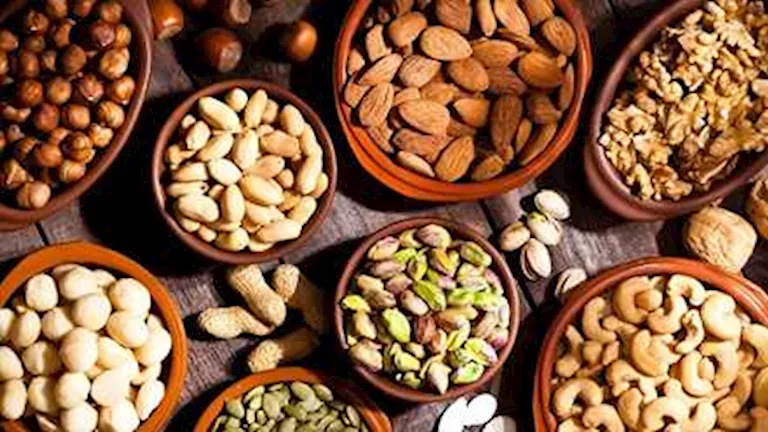
The Optimal Mid-Ramadan Meal: Supporting Heart, Brain, and Weight Management
As Muslims worldwide observe the holy month of Ramadan, maintaining a healthy diet between the breaking of the fast (iftar) and the pre-dawn meal (suhoor) is crucial for sustained energy, cognitive function, and overall well-being. While the focus often rests on the two main meals, the hours in between present a unique opportunity to nourish the body with foods that support heart health, brain function, and weight management. Recent research and dietary recommendations highlight the benefits of incorporating nutrient-rich options, with nuts – particularly walnuts and almonds – emerging as standout choices.
The period between iftar and suhoor requires careful consideration. After a day of fasting, the body needs replenishment, but overindulgence can lead to discomfort and hinder the benefits of Ramadan. A strategically chosen snack can help stabilize blood sugar levels, prevent overeating during suhoor, and provide essential nutrients. The key is to select foods that offer sustained energy release and are packed with beneficial fats, proteins, and fiber. This is particularly important for maintaining focus and mental clarity during work or study, as well as supporting physical activity.
Nuts: A Powerhouse of Nutrition for the Fasting Period
Walnuts and almonds are consistently recognized for their exceptional nutritional profiles. Walnuts, for example, are rich in polyunsaturated fats, including alpha-linolenic acid (ALA), an omega-3 fatty acid known for its anti-inflammatory properties and benefits for heart health. According to research, regular consumption of walnuts can contribute to improved cholesterol levels and reduced levels of triglycerides, both key indicators of cardiovascular risk. A recent report emphasizes the role of walnuts in preventing chronic diseases.
Almonds, are a good source of vitamin E, magnesium, and fiber. A British newspaper, the Express, reported that almonds are a nutrient-dense snack containing polyphenols, potent antioxidants that protect cells from damage caused by oxidative stress. This report highlights the antioxidant properties of almonds and their potential benefits for cardiovascular health.
The Science Behind Oxidation and Cellular Health
Oxidative stress, a process where unstable molecules called free radicals damage cells, is a significant contributor to many chronic diseases, including heart disease and neurodegenerative disorders. The antioxidants found in walnuts and almonds, such as polyphenols, help neutralize these free radicals, protecting cells from damage and promoting overall health. By limiting lipid peroxidation – the process of fat breakdown that contributes to cellular damage – these nuts play a vital role in maintaining cellular integrity.
How Nuts Support Heart Health
Integrating nuts into a healthy diet can positively impact several key indicators of heart health, particularly blood lipid profiles. Studies have shown that regular walnut consumption can lead to improvements in both cholesterol levels and triglyceride levels. Individuals who include nuts in their diet tend to score higher on healthy eating indices, suggesting a broader commitment to a heart-healthy lifestyle. The beneficial fats in nuts also contribute to improved blood vessel function and reduced inflammation, further protecting against cardiovascular disease.
Nuts and Weight Management During Ramadan
Maintaining a healthy weight during Ramadan can be challenging, given the changes in eating patterns and potential for overindulgence. Though, nuts can be a valuable ally in weight management. Their high fiber and protein content promote feelings of fullness and satiety, helping to regulate appetite and prevent overeating. Over time, this can contribute to weight loss or maintenance. A tiny handful of nuts can serve as a satisfying and nutritious snack, curbing cravings and providing sustained energy without the rapid blood sugar spikes associated with processed foods.
Beyond Walnuts and Almonds: Considerations for a Balanced Snack
While walnuts and almonds are excellent choices, it’s important to remember that a balanced snack is key. Portion control is crucial; a serving size of approximately 30 grams (about a handful) is generally recommended. Combining nuts with other healthy options, such as a small piece of fruit or a few dates, can further enhance their nutritional value. Dates, for example, provide a natural source of energy and fiber, complementing the healthy fats and protein in nuts.
It’s also important to consider individual dietary needs and preferences. Individuals with nut allergies should, of course, avoid nuts altogether. Those with specific health conditions, such as kidney disease, should consult with a healthcare professional before significantly increasing their nut intake, as nuts are relatively high in potassium and phosphorus.
Hydration is Key
Alongside a nutritious snack, adequate hydration is paramount during Ramadan. Drinking plenty of water between iftar and suhoor helps maintain energy levels, supports digestion, and prevents dehydration. Herbal teas and unsweetened beverages can also contribute to fluid intake.
Looking Ahead: Continued Research and Dietary Guidance
Ongoing research continues to explore the full range of health benefits associated with nut consumption. Scientists are investigating the potential role of nuts in preventing various chronic diseases, including cancer, diabetes, and Alzheimer’s disease. As our understanding of nutrition evolves, dietary recommendations may be refined to optimize health outcomes during Ramadan and throughout the year.
The choice of a nutritious snack between iftar and suhoor is a simple yet powerful step towards supporting overall health during Ramadan. By prioritizing nutrient-rich options like walnuts and almonds, individuals can nourish their bodies, enhance their cognitive function, and maintain a healthy weight throughout the holy month.
What are your favorite healthy snacks to enjoy during Ramadan? Share your tips and recipes in the comments below!
Keep reading