
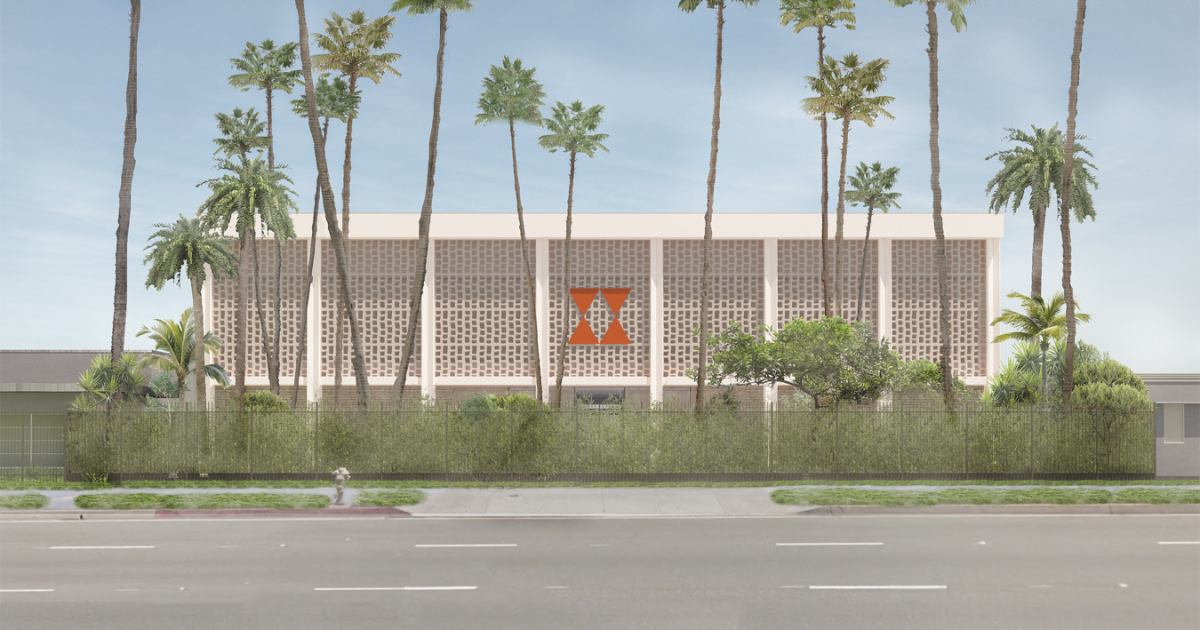
The Wende Museum of the Cold War is preparing to redefine how the public interacts with historical records. The institution has announced a major Wende Museum of the Cold War expansion, centered on the creation of a $16-million research institute and a specialized “living archive” located in Hawthorne, California.
This ambitious project marks a significant evolution for the Culver City-based museum, moving beyond traditional exhibition spaces to create a facility where the act of preservation and the act of discovery happen in the same room. By integrating storage with public accessibility, the museum aims to dismantle the barrier between the curator’s vault and the researcher’s desk.
The expansion focuses on a historically significant midcentury modern building in Hawthorne, which the museum has purchased to serve as the foundation for this new hub. The project is designed to house the museum’s extensive collections while providing a dedicated environment for scholars, historians, and the general public to engage with the primary documents of the Cold War era.
The Vision of a “Living Archive”
At the heart of the expansion is the concept of the “living archive,” a term used by the museum to describe a hybrid facility that merges public gallery space with active storage. In traditional museum models, collections are often split between visible exhibits and “dead storage”—off-site or locked warehouses where items are kept for preservation but remain invisible to the public.
Justin Jampol, the founder and Executive Director of the Wende Museum, explained that this new approach changes the fundamental relationship between the visitor and the artifact. “In the museum world, there’s typically public space and storage space — meaning dead storage,” Jampol stated. “And this living archive is a hybrid that combines both. It houses the collections and makes them accessible for discovery.”
This model is particularly vital for the study of the Cold War, a period defined by clandestine operations, propaganda, and a massive trail of bureaucratic paperwork. By making these archives “living,” the museum allows researchers to see the scale and context of the materials they are studying, fostering a more immersive academic experience.
Preserving Midcentury Modernism in Hawthorne
The choice of location is as much about architectural preservation as It’s about historical research. The museum has acquired a 24,000-square-foot building originally constructed in 1965, which served as the corporate headquarters for Ernest Hahn, a pioneer in the development of shopping malls. The structure is a prime example of midcentury modern design, reflecting the optimistic and corporate aesthetic of the mid-20th century.

The building was designed by George Nowak, a noted architect known for his work on movie theaters and the Writers Guild Theater. To accommodate the museum’s needs, the Wende plans to renovate the existing structure and add a 7,000-square-foot extension. The design also allows for future flexibility, ensuring the facility can grow as the collection expands.
By repurposing a building from the very era the museum documents, the facility itself becomes an artifact. The architecture provides a physical connection to the Cold War period, bridging the gap between the documents stored inside and the world in which they were created.
Timeline and Community Impact
The project is moving quickly into its implementation phase. Construction on the new research institute and interactive storage facility is scheduled to begin on May 15, 2026. The museum expects the space to be fully operational and open to the public in the spring of 2028.
The $16-million investment represents a significant commitment to the preservation of 20th-century history. For the city of Hawthorne, the project brings a prestigious cultural institution and a hub for international scholarship to the area. For the global research community, it provides a centralized, accessible location to study the ideological and political struggles of the Cold War.
The expansion will likely attract a diverse array of stakeholders, from university students and tenure-track historians to artists and policymakers interested in the intersection of art and politics during the Cold War. By lowering the barrier to entry for archival research, the Wende Museum is positioning itself as a critical resource for understanding the roots of contemporary global tensions.
Project Quick Facts
| Detail | Specification |
|---|---|
| Total Investment | $16 million |
| Location | Hawthorne, California |
| Original Building Size | 24,000 square feet |
| Planned Extension | 7,000 square feet |
| Construction Start | May 15, 2026 |
| Expected Opening | Spring 2028 |
As the Wende Museum moves forward with this expansion, it signals a broader trend in the museum world toward transparency and accessibility. The transition from a static gallery to a dynamic research center ensures that the lessons of the Cold War remain available for active interrogation rather than remaining locked away in archives.

The next confirmed milestone for the project is the start of construction on May 15, 2026. We will continue to monitor the development of the Hawthorne site as it evolves into a premier center for Cold War studies.
Do you think “living archives” are the future of historical preservation? Share your thoughts in the comments below or share this story with your network.