Mali Rebels Strike Major Blow Against Junta and Russia’s Africa Corps
JOHANNESBURG — A coordinated offensive by rebel groups in Mali has dealt a severe setback to the country’s military junta and its Russian allies, marking a potential turning point in Moscow’s influence in West Africa. The attacks, which began on April 25, 2026, targeted multiple cities across Mali, including the northern stronghold of Kidal, where Russian-backed forces were reportedly forced into a humiliating retreat. Analysts warn the defeat could signal the limits of Russia’s expeditionary strategy in the Sahel, a region where military juntas have increasingly turned to Moscow for security support amid waning Western influence.
Video footage obtained by Fox News Digital appears to present Russian military vehicles withdrawing from Kidal, even as images of dead soldiers—whose features suggest they are Russian—have circulated online. The Tuareg-led Azawad Liberation Front (FLA) coalition and the al-Qaeda-affiliated Group for the Support of Islam and Muslims (JNIM) claimed responsibility for the synchronized assaults, which resumed on April 26 in cities including Gao, Kita, and Severe. In a statement, the FLA announced that Russian forces had been granted safe passage to withdraw from Kidal, which the rebels now claim is “totally” under their control.
Ulf Laessing, head of the Sahel program at the Konrad Adenauer Foundation, told the Associated Press that the attacks represented a “major blow to Russia.” He criticized the Russian mercenaries for their lack of intelligence and indiscriminate tactics, which he said had “unnecessarily worsened the conflict by not distinguishing between civilians, and combatants.” The setback comes as Russia’s Africa Corps—successor to the Wagner Group—has struggled to replicate the tactical successes of its predecessor in Mali, where Moscow has sought to secure access to strategic resources, particularly gold, in exchange for military support.
The Collapse of a Counterterrorism Architecture
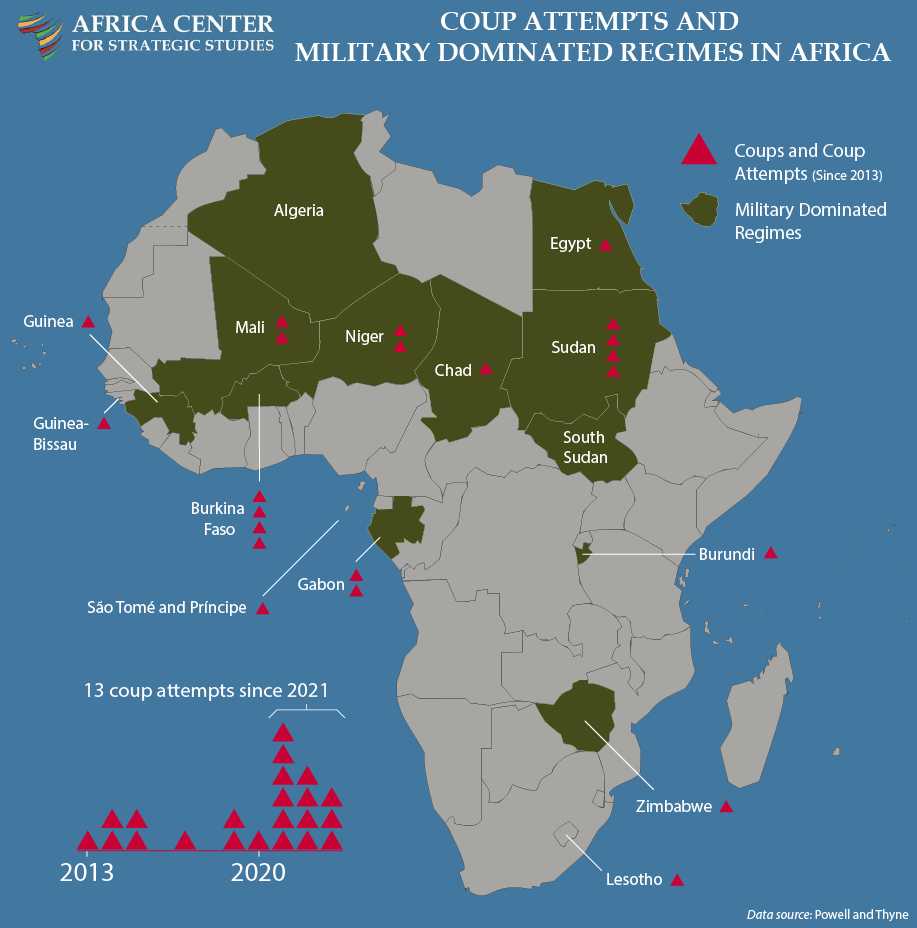
The current crisis in Mali is the culmination of a decade-long unraveling of international counterterrorism efforts in the Sahel. Following the withdrawal of French forces in 2022 and the gradual exit of the United Nations Multidimensional Integrated Stabilization Mission in Mali (MINUSMA), the country’s military junta—consolidated after coups in 2020 and 2021—sought to redefine its alliances. The pivot to Russia was framed as a sovereign decision, rooted in anti-colonial rhetoric that portrayed Western presence as ineffective and intrusive. Although, the arrangement has proven transactional and fragile, with Mali’s junta trading mining concessions for Russian military support.

According to a report by the Lansing Institute, the failure of Russia’s model in Mali exposes the limitations of Moscow’s expeditionary strategy in Africa. While the Wagner Group initially achieved tactical successes through brutality and flexibility, its successor, the Africa Corps, lacks the autonomy and local adaptability needed to manage complex insurgencies. The report notes that Mali’s conflict is not a binary struggle but a “layered ecosystem of armed groups,” including JNIM, the FLA, and factions aligned with the Islamic State in the Sahel. This multifaceted threat has overwhelmed Russian forces, who have struggled to adapt to the region’s shifting dynamics.
Geopolitical Fallout and Human Cost
The retreat from Kidal and other key cities underscores the precarious position of Mali’s junta, which has relied on Russian support to maintain its grip on power. The junta’s alliance with Moscow has arrive at a steep cost, both politically and economically. Reports suggest that Russia has secured lucrative mining concessions in exchange for military assistance, a pattern reminiscent of its engagements in the Central African Republic. However, the recent rebel offensives have exposed the hollowness of these security guarantees, leaving the junta vulnerable to further insurgent advances.
The human toll of the conflict has been devastating. A column of black smoke was seen rising above Bamako on April 26, as fighting spread to multiple regions. The New York Times reported that the coordinated attacks signified a major escalation of insurgent violence, with jihadist groups and Tuareg rebels capitalizing on the junta’s weakened position. Senior figures within Mali’s military leadership are reportedly among the casualties, though official confirmation remains scarce. The deteriorating security situation has prompted the U.S. To allow some staff from its embassy in Nigeria to evacuate, citing “deteriorating security” in the region.
What Happens Next?
The defeat of Russia’s Africa Corps in Mali raises critical questions about the future of Moscow’s influence in West Africa. Analysts suggest that the setback could embolden other insurgent groups in the Sahel, particularly in Burkina Faso and Niger, where military juntas have similarly sought Russian support. The Kremlin’s ability to project power in the region may now be in doubt, as its forces struggle to adapt to the complexities of local conflicts.

For Mali’s civilian population, the outlook remains grim. The junta’s reliance on Russian mercenaries has failed to stem the tide of violence, and the country’s security landscape continues to fragment. With state authority eroding and insurgent groups expanding their reach, the prospects for stability appear increasingly remote. International observers warn that the collapse of Mali’s counterterrorism architecture could have ripple effects across the Sahel, fueling further instability and displacement.
Key Takeaways
- Rebel Victory: The Azawad Liberation Front (FLA) and al-Qaeda-linked JNIM have forced Russian-backed forces to retreat from Kidal, a key northern city in Mali.
- Russian Setback: Analysts say the defeat exposes the limitations of Russia’s Africa Corps, which has struggled to replicate the Wagner Group’s earlier successes in the region.
- Junta Vulnerability: Mali’s military leadership, which has relied on Russian support, now faces heightened instability as insurgent groups expand their control.
- Geopolitical Shifts: The crisis could undermine Moscow’s influence in West Africa, particularly in countries like Burkina Faso and Niger, where juntas have also turned to Russia.
- Humanitarian Crisis: The conflict has worsened an already dire security situation, with civilians bearing the brunt of the violence and displacement.
What It Means for the Region
The events in Mali are part of a broader trend of shifting alliances in West Africa, where military juntas have increasingly distanced themselves from Western partners in favor of Russia. The failure of Moscow’s security model in Mali could force these regimes to reconsider their strategies, potentially opening the door to new alliances or further instability. For the international community, the crisis underscores the challenges of addressing insurgencies in the Sahel, where local grievances, geopolitical rivalries, and resource competition intersect.
As the situation develops, the next critical checkpoint will be the junta’s response to the rebel advances. Will it seek to renegotiate its alliance with Russia, or will it turn to other external actors for support? For now, the answers remain uncertain, but one thing is clear: the battle for Mali is far from over.
Have thoughts on this developing story? Share your perspective in the comments below, and don’t forget to follow World Today Journal for the latest updates on global affairs.