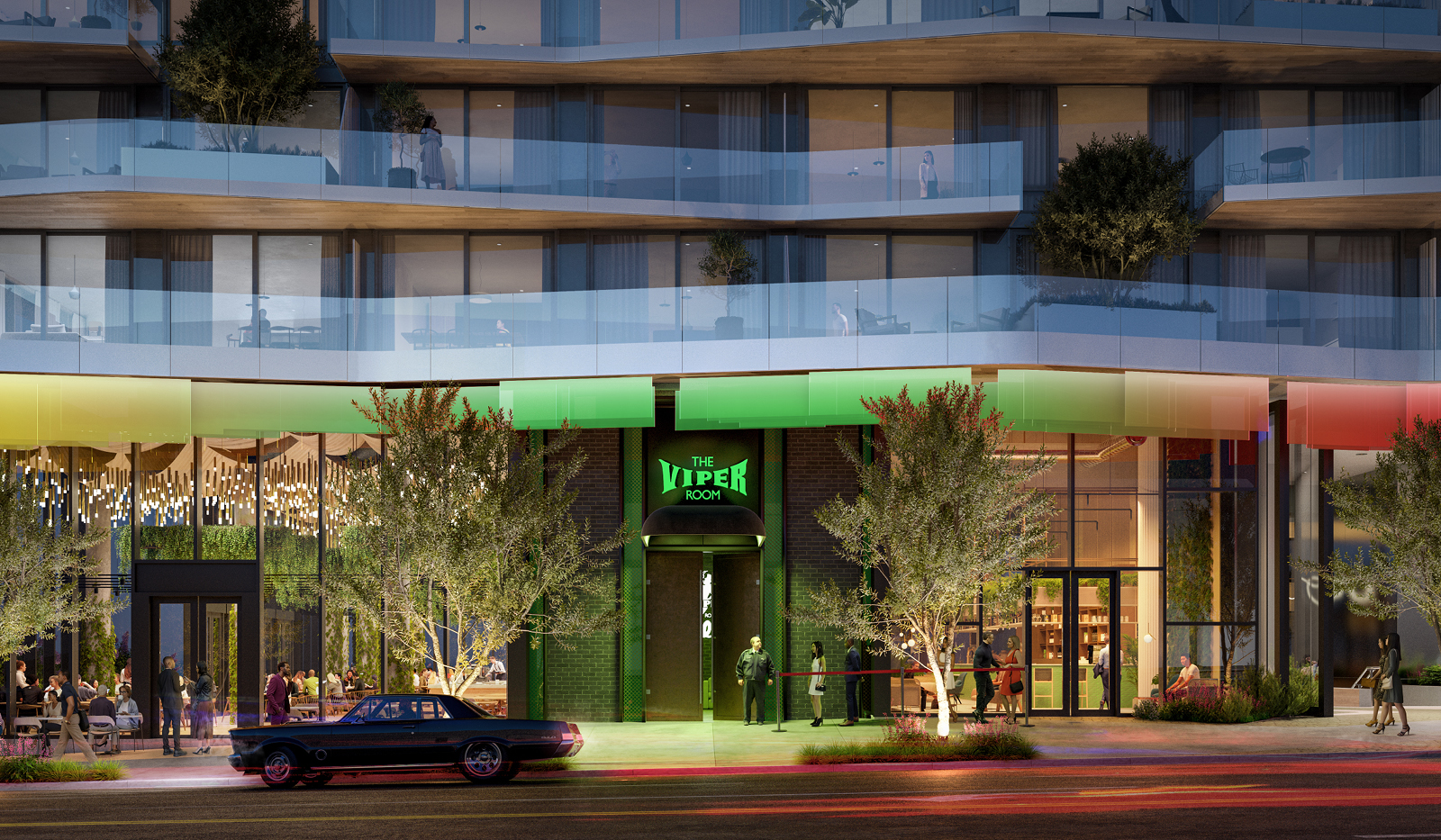
Revitalizing Sunset Strip: The Vision Behind the Viper Room Redevelopment Project
The iconic Sunset Strip in West Hollywood is poised for a significant change with a groundbreaking redevelopment project centered around the legendary Viper Room. This aspiring undertaking isn’t just about building a new structure; it’s about honoring a rich musical legacy, adapting to evolving market demands, and injecting new life into a vibrant cultural hub. This article delves into the project’s vision, the challenges overcome, and the exciting future planned for the Viper Room and the surrounding advancement.
A Mixed-Use Vision for a Dynamic Neighborhood
The project aims to create a dynamic mixed-use destination that caters to a diverse range of needs. Beyond preserving the Viper Room, the development will incorporate a blend of residential units and perhaps limited hospitality offerings. This strategic approach recognizes the changing landscape of West Hollywood and seeks to capitalize on several key trends.
“We envision a space that attracts a variety of occupants,” explains a project representative.”This includes transient visitors – those in the entertainment industry or local businesses needing short-term accommodations – and also individuals seeking a pied-à-terre or looking to downsize from larger homes. The adaptability of the mixed-use model allows us to respond to these evolving demands.”
This adaptability is crucial in a market increasingly focused on experience and convenience. The project isn’t simply adding housing; it’s creating a lifestyle destination that complements the existing energy of the Sunset Strip.
Navigating Obstacles: From Pandemic Disruptions to Community Concerns
The path to realizing this vision hasn’t been without its hurdles. The project faced significant headwinds from both macro-economic factors and local challenges. The COVID-19 pandemic and subsequent interest rate fluctuations created a tough environment for commercial real estate development across the board.
“The pandemic impacted everyone in the industry,” the representative acknowledges. ”It created a global challenge,and for us,it intertwined with the need to refinance our existing loan and prepare for future development.”
Beyond the broader economic climate, the project team encountered obstacles related to local government capacity. The pandemic diverted city resources, slowing down the approval process for new developments. “With the city understandably focused on supporting existing residents and businesses, development projects were temporarily tabled. We understood their priorities, but it did create a delay.”
Adapting and Optimizing: A Responsive Design Process
Faced with these challenges, the development team demonstrated a willingness to adapt and refine the project. A key shift involved increasing the proportion of residential units and reducing the planned hotel capacity.
“We reverted to including more residences and less hotel rooms as part of the mixed-use nature of the project,” the representative explains. “We’ve fully optimized the design, ensuring we can deliver on our commitments.”
This optimization also extended to the architectural vision. The team initially engaged a local architect but later brought in Arquitectonica to create a more efficient and community-sensitive design. “we shifted architects to explore a design with less height and density. We were mindful of the entitlement process and the need to be responsive to neighborhood concerns.The redesign was more palatable to both the community and the city, taking into account CEQA requirements and potential density limitations.”
Preserving the Soul of the Sunset Strip: Honoring the Viper Room Legacy
At the heart of the redevelopment lies a deep commitment to preserving the legacy of the Viper Room. Founded in the early 1990s by Johnny Depp and a collective of music industry figures, the venue became synonymous with the raw energy and rebellious spirit of the Sunset Strip.
“The Viper Room is iconic,” the representative emphasizes. “It was instrumental in promoting live music, rock and roll, and the history of the Sunset Strip. As part of the acquisition, we prioritized acquiring the business and intellectual property to ensure we could honor that legacy.”
The plan is to relocate the Viper Room to a state-of-the-art subterranean venue within the new development. This isn’t about simply replicating the old space; it’s about reimagining it for the future while retaining its essential character.
“The goal is to have a live music venue named the Viper Room that will be in a new, state-of-the-art facility, but still have that feel and look as if you were in the old Viper.”
Elevating the Experience: Modernizing for Today’s Entertainment Landscape
While honoring the past, the redevelopment also recognizes the need to modernize the Viper Room to meet the demands of today’s entertainment industry.
“Bringing the Viper Room up to ‘today’s entertainment standards’ means creating a brand-new venue with cutting-edge technology, including advanced sound and production systems,” the representative clarifies. “We’re investing
Related reading
- Controversy Over Special Prosecutor’s Power to Withdraw Indictments: Jung Chung-rae and Song Young-gil Clash on Strategy
- Elchamax Mariano Razo 18: Viral Video and Photo Leaks on X and Telegram
- Why Nighttime Heat Is Rising Faster Than Daytime Highs in US Cities (daybreakwire.com)
- Raiffeisen Real Estate Market Analysis: Affordability Trends 2026 (world-today-news.com)