
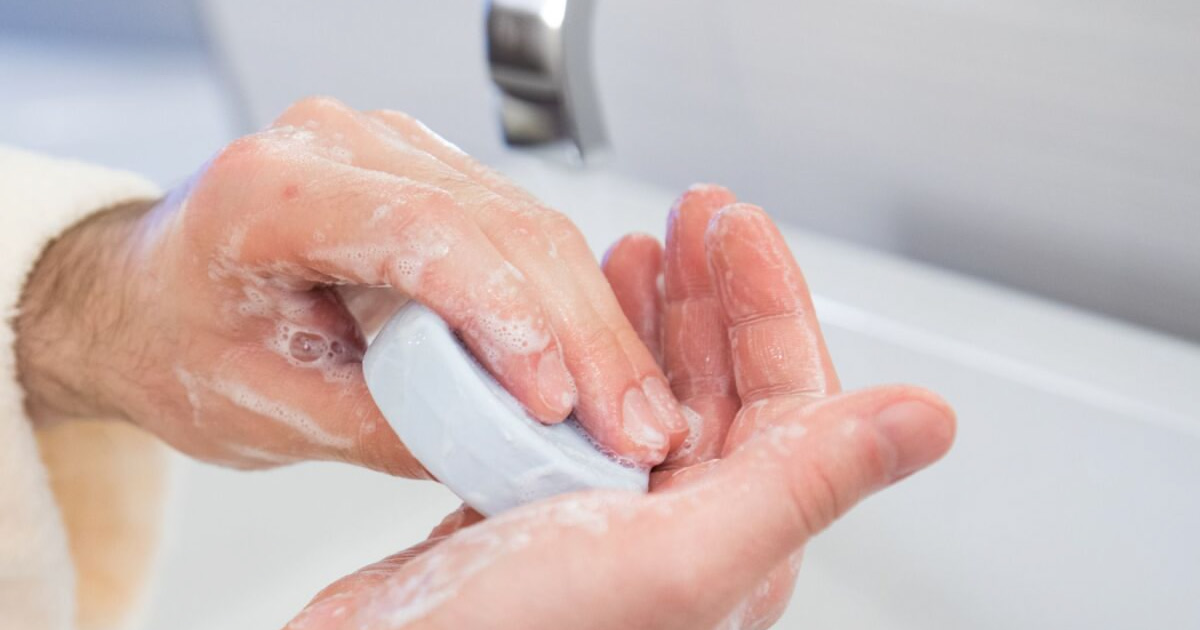
Public perceptions of personal hygiene significantly influence social interaction, with approximately half of the population reporting that they would distance themselves from individuals who exhibit a lack of basic grooming. This social aversion highlights the role of daily hygiene habits—such as showering, oral care, and handwashing—as essential markers of social acceptability in modern society.
As a physician, I frequently observe that hygiene is not merely a matter of individual health, but a fundamental component of public interaction and social etiquette. While health standards focus on the prevention of infectious diseases, as outlined by the World Health Organization (WHO), the psychological impact of perceived cleanliness is equally powerful in shaping how we relate to one another in professional and private settings.
The Social Consequences of Hygiene Standards
The expectation of daily bodily care has become deeply ingrained in global social norms. When an individual fails to meet these perceived standards, the immediate reaction from others is often one of withdrawal. This phenomenon is driven by a combination of health concerns and social conditioning. According to the Centers for Disease Control and Prevention (CDC), consistent hand hygiene and personal grooming remain the most effective, low-cost methods for preventing the transmission of pathogens, which reinforces the societal view that hygiene is a collective responsibility.

In many cultures, the “invisible” nature of hygiene means it often goes unnoticed when maintained, yet becomes a primary focus of social friction when neglected. The decision to distance oneself from someone with poor hygiene is often an unconscious defensive mechanism. From a medical perspective, the skin acts as our primary barrier against environmental pathogens, and maintaining its integrity through regular cleaning is a clinical necessity that has evolved into a social imperative.
Defining Daily Hygiene Expectations
For most individuals, the definition of “proper” hygiene is centered on a routine of repetitive tasks. These typically include:
- Daily showering to manage bacterial flora on the skin.
- Regular oral hygiene, including tooth brushing and flossing, to prevent periodontal disease.
- Consistent handwashing, which remains the primary intervention for reducing the spread of respiratory and gastrointestinal infections.
- Facial cleansing and standard dermatological maintenance.
These practices are not just about aesthetics. They are critical for the maintenance of the skin microbiome. When these routines are interrupted, the resulting changes in skin odor or appearance are often the specific triggers that cause others to initiate social distancing. Understanding this helps explain why hygiene is frequently cited as a top priority in personal grooming surveys across Europe and North America.
Public Health vs. Social Etiquette
There is a distinct overlap between public health mandates and social expectations. During the recent COVID-19 pandemic, the importance of hand hygiene was elevated to a matter of national policy in many countries, as documented in various Robert Koch Institute (RKI) reports regarding hygiene standards. This period reinforced the societal view that hygiene is a prerequisite for entry into shared spaces.

However, the shift toward social distancing based on hygiene is more complex than simple pathogen control. It involves non-verbal communication. Humans are evolutionarily predisposed to avoid potential sources of illness, and our modern social cues have adapted to interpret poor hygiene as a signal of potential health risks or a lack of self-regulation. This is why the impact of hygiene on social life remains a persistent topic in behavioral health studies.
Looking Ahead: The Future of Hygiene Awareness
As we move toward more integrated digital and physical workspaces, the standards for personal hygiene are likely to remain high. Health organizations continue to emphasize that education on basic hygiene should begin early, as these habits are difficult to modify in adulthood. The next major update regarding international hygiene standards is expected during the upcoming WHO World Health Assembly, where global sanitation and hygiene protocols are regularly reviewed for public health efficacy.

Maintaining a baseline of personal care is essential for both individual health and social cohesion. If you have questions about specific hygiene protocols or the impact of skin health on your daily life, I encourage you to consult your local public health authority or a primary care physician. Please share your thoughts on how social standards for grooming have changed in your community in the comments section below.