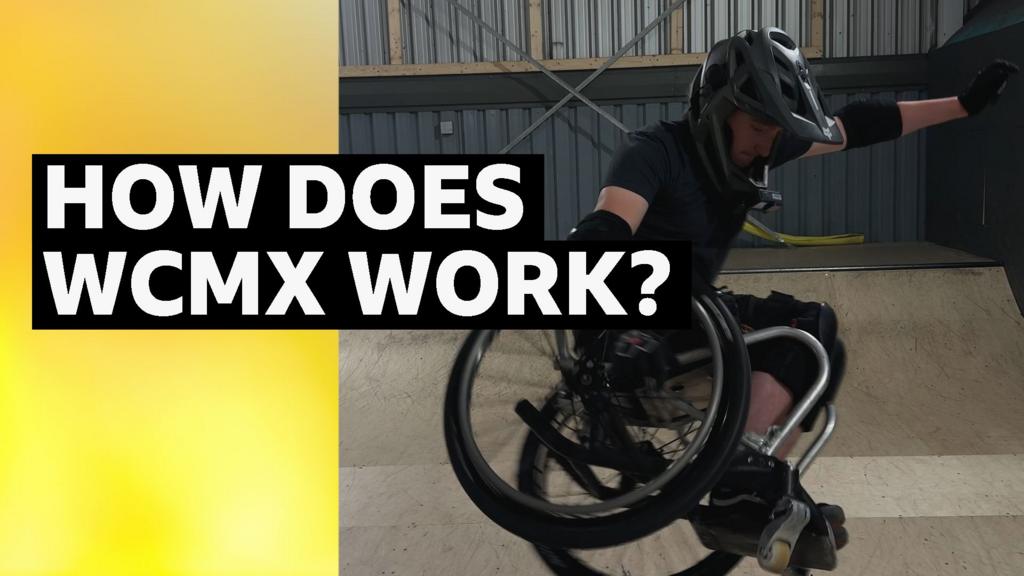
In the world of extreme sports, few disciplines capture the intersection of raw adrenaline and adaptive resilience quite like wheelchair motocross, better known as WCMX. While the name suggests a motorized element, WCMX is essentially “BMX in a wheelchair,” where athletes utilize specialized chairs to navigate ramps, perform aerial maneuvers, and push the physical boundaries of what is possible in adaptive athletics.
The sport has evolved from a niche activity into a global phenomenon, gaining significant traction through digital platforms. As athletes continue to innovate their techniques and equipment, WCMX is transitioning from an online sensation into a structured competitive sport with high-stakes international events. At the center of this movement are athletes who view the wheelchair not as a limitation, but as a tool for extreme expression.
Among the most prominent figures in the sport is Tomas Woods, a double world champion who has been instrumental in explaining the nuances of WCMX to a broader audience. Through the influence of athletes like Woods, the sport has highlighted the incredible agility and strength required to execute tricks that mirror those found in traditional freestyle BMX.
The Mechanics of Wheelchair Motocross
At its core, WCMX operates on the same principles as BMX (Bicycle Motocross). Athletes use skateparks and specialized ramps to gain momentum, launching themselves into the air to perform spins, flips, and other technical tricks before landing back on their wheels. The goal is to combine style, difficulty, and control.
Unlike standard wheelchairs designed for daily mobility, WCMX requires equipment capable of withstanding high-impact landings and providing the stability needed for aerial rotations. The sport emphasizes the athlete’s ability to manipulate their center of gravity and use the momentum of the chair to navigate vertical transitions. This blend of balance and power is what allows WCMX to be described as BMX in a wheelchair.
From Viral Sensation to Global Competition
The rise of WCMX has been heavily fueled by the internet. Short-form videos of athletes performing gravity-defying stunts have turned the sport into an online para-sport sensation, introducing millions of viewers to the capabilities of adaptive athletes. This digital visibility has helped build a community of practitioners and fans worldwide, moving the sport beyond local skateparks and into the international spotlight.
This growth is now manifesting in formal competitions. Athletes are currently pushing the boundaries of the sport as they prepare for major events, including the Swiss World Championships. These championships serve as a benchmark for the sport’s progression, where the world’s top riders compete to see who can execute the most complex runs with the highest degree of precision.
Key Elements of WCMX Performance
- Momentum Control: The ability to generate and maintain speed across flat ground and up vertical transitions.
- Aerial Execution: Performing rotations and tricks while airborne, requiring immense upper-body strength and timing.
- Landing Precision: Managing the impact of a descent to ensure stability and safety.
- Adaptive Equipment: Using chairs modified for the rigors of extreme sports rather than standard medical mobility.
Why WCMX Matters in the Para-Sport Landscape
WCMX represents a shift in how adaptive sports are perceived. While many para-sports focus on traditional athletic competition, WCMX embraces the “extreme” culture of action sports. It challenges the traditional narrative of disability by focusing on risk, creativity, and the pursuit of adrenaline. By mirroring the structure and energy of BMX, it bridges the gap between adaptive athletics and mainstream extreme sports.
.jpg/1200px-Thomas_Woods_(33998137043).jpg)
The success of athletes like Tomas Woods demonstrates that the technical requirements of WCMX are as demanding as any other professional sport. The discipline requires not only physical prowess but also a deep understanding of physics and spatial awareness to safely navigate the environment of a skatepark.
As the sport continues to grow, the focus remains on the athletes’ ability to push boundaries and redefine the limits of human mobility. The transition from viral videos to world championships marks a latest era for WCMX, establishing it as a legitimate and thrilling component of the global sports landscape.
The next major milestone for the community will be the upcoming Swiss World Championships, where the world’s elite WCMX athletes will gather to compete for the title of world champion.
Do you think WCMX should be considered for future Paralympic Games? Share your thoughts in the comments below and share this story with fellow sports enthusiasts.
Keep reading