
WhatsApp, the ubiquitous messaging platform owned by Meta, continues to refine its interface to help users manage their digital communication more effectively. For those who rely on the service for daily coordination, organization is paramount. Recent updates to the application have focused on features that bridge the gap between different mobile operating systems, ensuring that iPhone users can access the same organizational tools that have long been available to their Android counterparts.
As the digital landscape evolves, the demand for streamlined inbox management has grown. Whether for personal correspondence or professional collaboration, the ability to categorize and filter conversations is no longer a luxury but a necessity for power users. This shift toward parity across platforms highlights Meta’s commitment to maintaining a consistent user experience regardless of the hardware being used.
Enhancing Conversation Management
The core of this update centers on improving how users navigate their chat lists. By introducing filters that allow for more granular control over incoming messages, WhatsApp is addressing a long-standing request from its global user base. This functionality, which enables users to sort chats by categories such as “Unread,” “Personal,” or “Business,” helps reduce the clutter that often accumulates in a busy messaging environment.
For users who manage a high volume of interactions, these organizational tools provide a significant boost to productivity. By separating professional inquiries from personal threads, the platform empowers users to prioritize their time more efficiently. This development is part of a broader official product roadmap that prioritizes user-centric design and intuitive navigation.
The Move Toward Feature Parity
Historically, Android and iOS versions of popular applications have sometimes seen feature releases staggered due to differences in development environments and platform-specific guidelines. However, the latest updates to WhatsApp demonstrate a clear strategy to synchronize these experiences. By bringing these organizational features to the iPhone, the company is ensuring that Apple users enjoy the same level of utility that has defined the Android experience for some time.
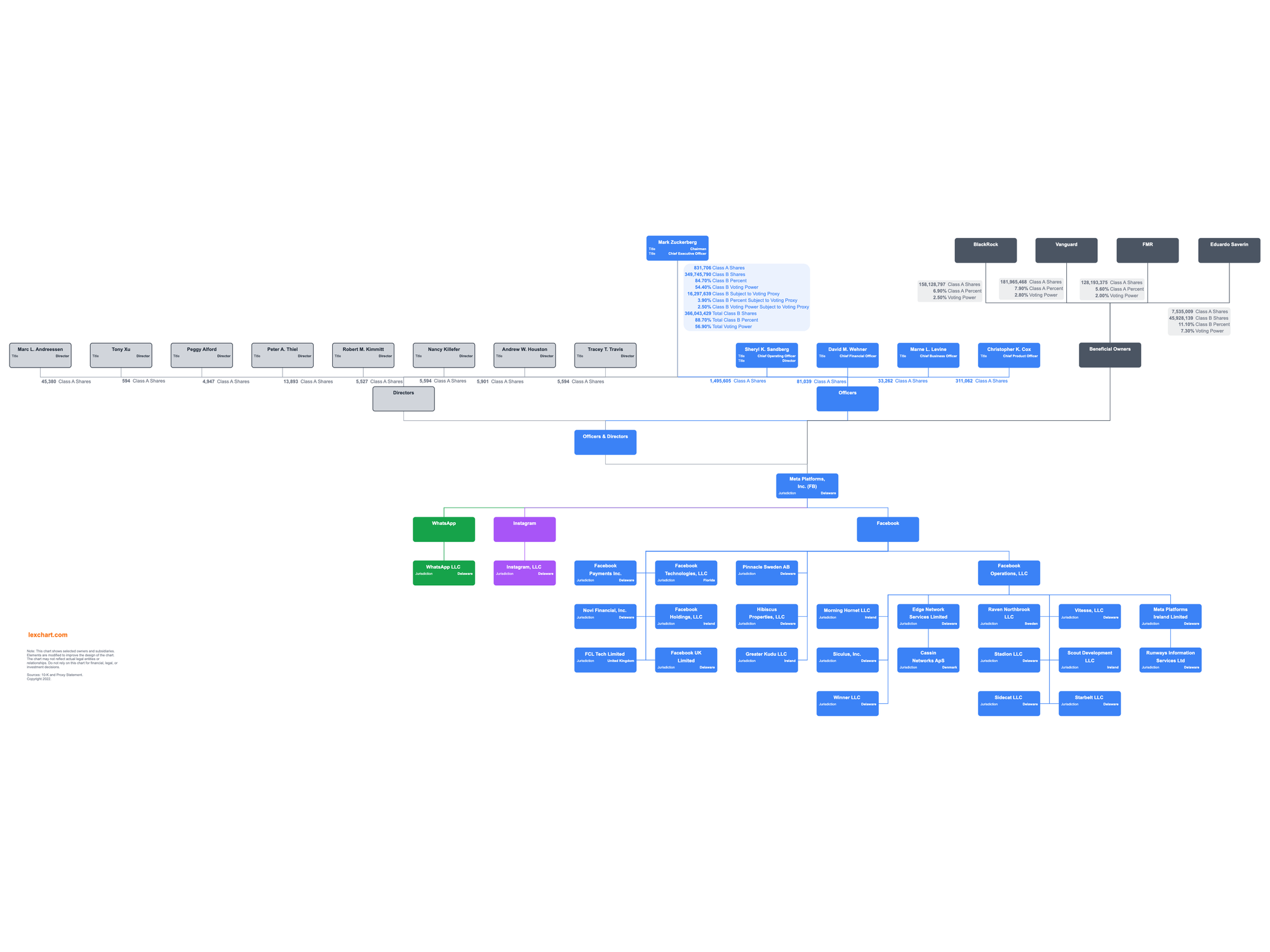
This synchronization is essential for a platform that serves billions of users worldwide. When features are consistent across devices, it reduces the learning curve for users who may switch between ecosystems or who live in households with mixed-device environments. Official updates from Meta Platforms, Inc. often emphasize this cross-platform consistency as a key pillar of their software philosophy.
What This Means for the User
The integration of these features is designed to be seamless. Once the application is updated to the latest version via the Apple App Store or Google Play Store, users will typically see the new filtering options at the top of their chat screen. There is no complex configuration required; the system automatically categorizes existing chats based on their status and interaction history.
We see important for users to ensure their application is kept up to date to receive these security and feature improvements. Maintaining the latest version is the most effective way to protect personal data and ensure compatibility with the newest server-side features. For more information on privacy settings and how to manage your data, users can consult the WhatsApp Privacy Policy.
Key Takeaways for WhatsApp Users
- Consistent Experience: Meta is actively working to ensure that features like chat filters are available simultaneously across both iOS and Android platforms.
- Improved Productivity: New categorization tools allow for the separation of unread, personal, and business conversations.
- Automatic Integration: These updates generally appear automatically following a standard app store update, requiring minimal manual setup.
- Security First: Always ensure your app is updated to the latest version to maintain optimal performance and security standards.
As we look toward the remainder of 2026, it is likely that Meta will continue to iterate on these organizational tools. The next major update is expected to be documented through their official engineering and product blog, which serves as the primary source for all technical changes to the platform. We encourage our readers to check for regular updates within their app stores to ensure they are utilizing the most efficient version of the software.
Have you found these new filtering options useful in your daily routine? We invite our community to share their experiences in the comments section below. Your feedback helps us provide a better understanding of how these technological shifts impact real-world communication.
Keep reading