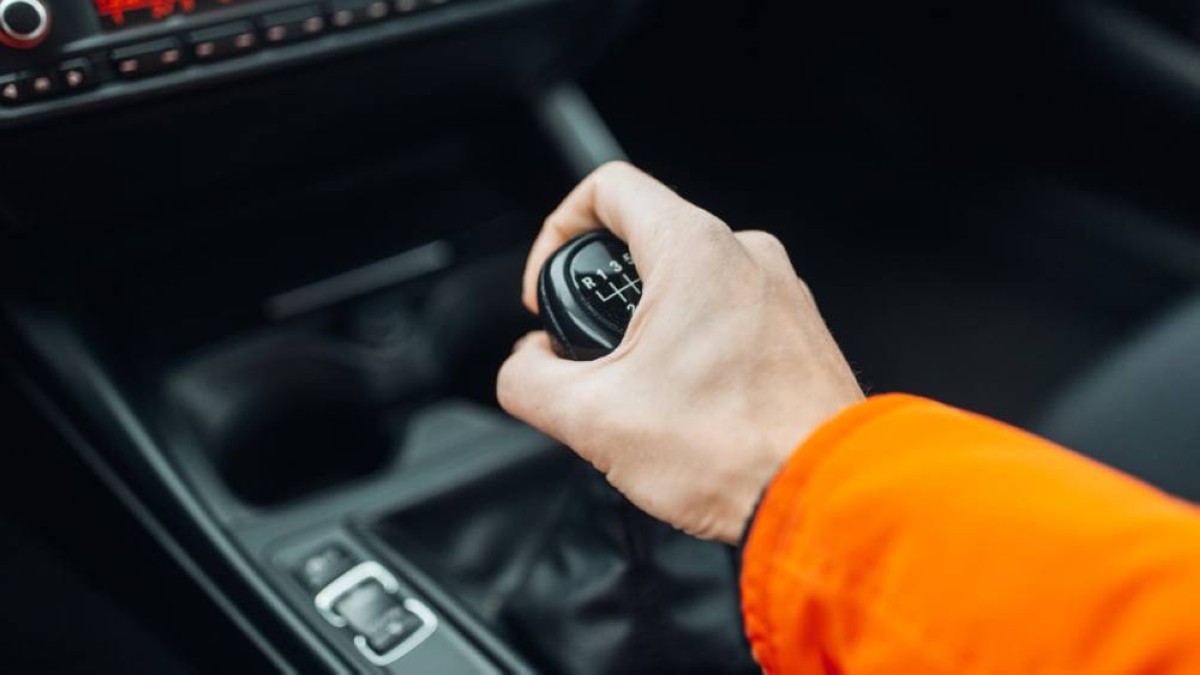
For drivers who grew up behind the wheel of a manual transmission car, the ritual of clutch control and gear selection is second nature. But even seasoned enthusiasts sometimes question the conventional wisdom: When is it safe—or even advisable—to start in second gear? Mechanical engineers and driving instructors agree that this technique, often dismissed as reckless, actually has a rare but valid use case. Understanding the physics and practical applications can help drivers avoid unnecessary transmission wear while mastering one of the most debated aspects of manual driving.
While most driving manuals and instructors teach that starting in first gear is the standard practice, experts like Jason Fenske of Engineering Explained highlight an exception that challenges this rule. The key lies in the interplay between engine torque, clutch engagement, and the laws of physics—particularly when gravity becomes your ally. This nuanced approach isn’t just theoretical; it can extend the life of your transmission under specific conditions. For drivers navigating steep hills or heavy loads, this knowledge could mean the difference between smooth operation and costly repairs.
The debate over starting in second gear isn’t just academic—it reflects broader trends in automotive engineering. As manual transmissions become less common in new vehicles, the skills associated with them are fading. Yet, for the millions who still drive stick shifts, mastering these techniques ensures safer, more efficient operation. Below, we break down the mechanics, the exceptions, and why this seemingly simple question has sparked decades of discussion among drivers and engineers alike.
Why First Gear Is the Default (And When It Fails)
Most driving instructors and automotive experts agree that starting in first gear is the safest and most efficient method for the overwhelming majority of driving scenarios. Here’s why:
- Clutch Protection: First gear requires less engine power to maintain speed, reducing the strain on the clutch plate. The lower gear ratio means the engine doesn’t need to work as hard to keep the car moving, minimizing wear on the clutch’s friction materials.
- Smoother Engagement: The lighter load on the clutch allows for more gradual engagement, reducing the risk of stalling or jerky movements—especially for novice drivers.
- Transmission Longevity: Starting in first gear distributes wear more evenly across the synchromeshes (the components that match gear speeds), reducing the risk of premature failure in higher gears.
According to automotive engineers, the clutch in a manual transmission is designed to handle a specific range of torque. When you start in first gear, the engine’s rotational force (torque) is multiplied by the gear ratio, but the clutch only needs to transfer a portion of that force to the transmission. In contrast, starting in second gear increases the load on the clutch because the engine must compensate for the higher gear ratio to maintain the same speed.
Key Statistic: Studies by automotive research firms, including those cited in Motor Trend, suggest that improper clutch usage—such as starting in higher gears without necessity—can increase clutch wear by up to 30% or more over time. This wear translates to higher maintenance costs and reduced transmission lifespan.
The Exception: Starting in Second Gear on a Downhill Slope
Despite the general rule, there’s a well-documented exception where starting in second gear is not only safe but also mechanically advantageous. This scenario occurs when driving downhill, particularly on steep grades. Here’s how it works:
—Jason Fenske, Mechanical Engineer and Host of Engineering Explained
The physics behind this technique are straightforward:
- Gravity Assists: On a downhill slope, the car’s weight creates a force that accelerates it downward. This natural acceleration reduces the need for the engine to work, lowering the load on the clutch.
- Reduced Clutch Slip: Because the car is already moving, you can engage the clutch more smoothly when shifting into second gear. There’s less risk of stalling because the car’s momentum compensates for the higher gear ratio.
- Engine Brake Effect: Second gear provides more engine braking (resistance) than first gear, which can help control speed without relying solely on the brakes. What we have is particularly useful on long or steep descents.
Fenske emphasizes that this technique should only be used in specific conditions:
- The slope must be steep enough to create noticeable acceleration when the brake is released.
- The driver must be comfortable with manual transmissions and have a firm grasp of clutch control.
- It should never be used on flat surfaces or uphill, where the additional load on the clutch would outweigh any benefits.
Common Misconceptions and Risks
Despite the validity of the downhill exception, many drivers—and even some instructors—dismiss starting in second gear outright. This skepticism stems from several misconceptions:
1. “It Always Damages the Clutch”
While it’s true that starting in second gear on a flat surface or uphill can strain the clutch, the downhill scenario is fundamentally different. The key difference is momentum. When the car is already moving due to gravity, the clutch doesn’t need to transfer as much torque to maintain speed. In fact, starting in second gear can reduce clutch wear compared to struggling to accelerate in first gear on a steep uphill.
2. “It’s Only for Experts”
While the technique requires a bit of practice, it’s not inherently difficult. The challenge lies in recognizing the right conditions (downhill) and understanding how to adjust throttle and clutch smoothly. Many driving schools overlook this nuance, but it’s a skill worth mastering for drivers who frequently navigate hilly or mountainous terrain.
3. “Modern Cars Don’t Need This”
As automatic transmissions and dual-clutch automatics become more prevalent, the relevance of manual transmission skills may seem diminished. However, manual cars remain popular in regions with challenging road conditions, and even hybrid vehicles often retain manual modes. Understanding these techniques can also improve driving efficiency in automatic cars by teaching better throttle and brake modulation.

Practical Tips for Safe Second-Gear Starts
If you’re considering using second gear to start on a downhill slope, follow these steps to ensure safety and efficiency:
- Assess the Slope: Only attempt this on moderate to steep downhill grades where gravity noticeably accelerates the car when the brake is released.
- Engage the Clutch Early: Before coming to a complete stop, press the clutch in and shift into second gear while still moving slowly.
- Release the Clutch Gradually: As you release the clutch, add gentle throttle to maintain speed without jerking the car.
- Use Engine Braking: Second gear provides more resistance than first, helping to control speed without over-relying on the brakes.
- Practice in a Safe Area: Find an empty parking lot or a quiet residential street to practice this technique before attempting it on busy roads.
For drivers unsure about their clutch control, Fenske recommends practicing in a controlled environment with a spotter. “The goal isn’t to force the car into second gear,” he notes. “It’s about letting the physics work with you, not against you.”
Broader Implications: The Future of Manual Transmissions
The debate over starting in second gear reflects larger trends in the automotive industry. As manual transmissions become rarer in new vehicles, the skills associated with them are at risk of being lost. However, manual cars remain dominant in:
- Performance and sports cars, where driver engagement is prioritized.
- Regions with challenging terrain, such as mountainous areas or developing countries with less reliable automatic systems.
- Economic markets where fuel efficiency and driving control are valued.
Automotive analysts predict that while manual transmissions may never regain their peak popularity, they will continue to thrive in niche markets. For drivers who cherish the connection between car and road, mastering techniques like this ensures that manual transmissions remain a viable—and enjoyable—choice for decades to come.
Key Takeaways
- Standard Rule: Always start in first gear on flat surfaces or uphill to protect the clutch and transmission.
- Downhill Exception: Starting in second gear on steep downhill slopes can reduce clutch wear by leveraging gravity.
- Physics Matters: The technique works because gravity provides momentum, reducing the load on the clutch during engagement.
- Practice Safely: Master this skill in controlled environments before applying it on public roads.
- Not Universal: Avoid this method on flat terrain or uphill, where it can damage the clutch.
- Modern Relevance: Even as manual transmissions decline, these skills remain valuable for performance driving and fuel efficiency.
FAQ: Starting in Second Gear
Q: Is it ever safe to start in second gear on a flat road?
A: No. On flat surfaces, starting in second gear increases the load on the clutch and transmission, leading to premature wear. The exception only applies to downhill slopes where gravity assists the car’s movement.
Q: Will this void my car’s warranty?
A: No, provided you’re using the technique correctly and not misusing the transmission. Warranties typically cover defects, not damage caused by improper driving techniques. However, excessive clutch or transmission wear due to incorrect gear selection may not be covered.
Q: Can I use this technique in an automatic car?
A: No, this technique is specific to manual transmissions. Automatic cars rely on torque converters and different gear ratios that don’t allow for the same level of clutch control.

Q: What if I stall the car while trying this?
A: Stalling is more likely if you’re not comfortable with clutch control or misjudge the slope. Practice in a safe, low-traffic area and gradually build confidence. If you stall, simply restart and try again—it’s a normal part of learning.
Q: Does this work in all manual cars?
A: Yes, the physics apply to all manual transmission vehicles, regardless of make or model. However, some high-performance cars may have more sensitive clutches, so proceed with caution.
Q: Are there any downsides to this technique?
A: The primary downside is the learning curve. If not executed properly, it can lead to jerky movements or increased wear. It’s not suitable for all driving conditions, so drivers must adapt their approach based on terrain.
Next Steps: For drivers looking to refine their manual transmission skills, consider enrolling in a defensive driving course or seeking one-on-one instruction from a certified driving instructor. Many automotive clubs and schools offer specialized training for manual transmission vehicles.
Share Your Experience: Have you used this technique successfully? Or do you have tips for mastering clutch control? Share your stories in the comments below or on our social media channels.
Related reading