
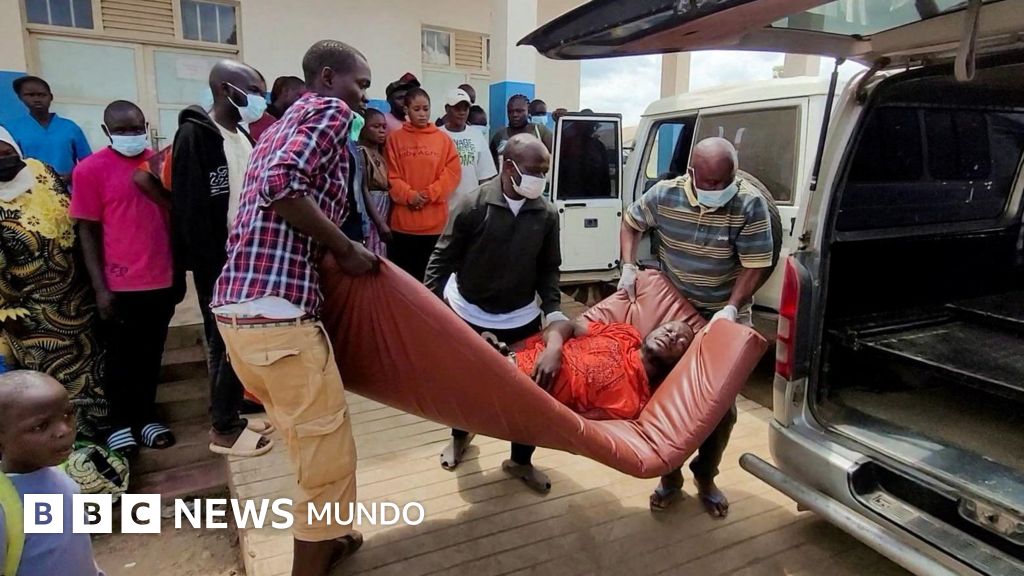
The World Health Organization (WHO) has officially determined that the current outbreak of Ebola disease, caused by the Bundibugyo virus in the Democratic Republic of the Congo (DRC) and Uganda, constitutes a public health emergency of international concern (PHEIC). The declaration, made on May 17, 2026, signals a critical escalation in the global response to contain the virus and prevent further international transmission.
This determination follows a rigorous assessment by the WHO Director-General, who consulted with the affected States Parties to evaluate the risk to human health and the potential for interference with international traffic. While the event has been classified as a PHEIC, the WHO clarified that the outbreak does not currently meet the specific criteria to be defined as a pandemic emergency under the International Health Regulations (IHR).
As a physician and journalist, I have seen how the distinction between a PHEIC and a pandemic emergency can be confusing to the public. Essentially, a PHEIC is a formal alarm that triggers international coordination, funding, and legal obligations for member states to report and respond to the threat. It is a proactive measure designed to stop a localized crisis from becoming a global catastrophe.
The current situation is particularly concerning due to the geography and the suspected scale of the infection in the Democratic Republic of the Congo. The virus has established a foothold in the Ituri Province, a region that presents significant logistical and security challenges for health workers attempting to implement containment measures.
The Scale of the Bundibugyo Virus Outbreak
The epidemiological data provided by the affected nations paints a sobering picture of the outbreak’s trajectory. As of May 16, 2026, the World Health Organization reported eight laboratory-confirmed cases of Ebola disease. However, the number of suspected infections is significantly higher, with 246 suspected cases and 80 suspected deaths reported within the World Health Organization‘s tracking systems.
The epicenter of the crisis in the DRC is concentrated in the Ituri Province, where the virus has spread across at least three distinct health zones. These include the areas of Bunia, Rwampara, and Mongbwalu. The high number of suspected deaths relative to confirmed cases often suggests challenges in laboratory access and rapid testing in these remote or volatile zones, a common hurdle in managing viral hemorrhagic fevers in Central Africa.
The Bundibugyo virus is one of several species of the Ebola virus. While it historically has a lower case-fatality rate than the Zaire ebolavirus—the strain responsible for the largest outbreaks—it remains a lethal pathogen that requires strict isolation and specialized care to prevent community spread.
Understanding the PHEIC Designation
The decision to declare a PHEIC is governed by the International Health Regulations (2005), a legally binding framework for 196 countries. Specifically, the Director-General acted pursuant to paragraph 2 of Article 12, which allows for the determination of an emergency when an event is “extraordinary,” constitutes a public health risk to other states through international spread, and potentially requires a coordinated international response.

In this instance, the WHO considers the event extraordinary due to the rapid rise in suspected cases and deaths in the Ituri Province. The assessment involved weighing scientific principles, available evidence, and the risk of the disease crossing borders, which has already occurred with the identification of cases in Uganda.
It is important for the global community to understand why this was not labeled a “pandemic emergency.” A pandemic emergency typically implies an uncontrolled, widespread global distribution of a disease. By limiting the designation to a PHEIC, the WHO is signaling that while the situation is grave and requires immediate global attention, it is still geographically contained and manageable if the necessary preparedness actions are taken immediately.
Regional Cooperation and Containment Efforts
The WHO Director-General expressed gratitude toward the leadership of both the Democratic Republic of the Congo and Uganda for their transparency and commitment to controlling the outbreak. The “frankness” of these nations in assessing the risks has been pivotal in allowing the global community to initiate preparedness actions before the virus could spread further into neighboring regions.
Containment of the Bundibugyo virus relies on several critical pillars:
- Rapid Detection: Increasing laboratory capacity in the Bunia, Rwampara, and Mongbwalu health zones to move suspected cases into confirmed status.
- Contact Tracing: Identifying every individual who has come into contact with an infected person to monitor for symptoms.
- Safe Burials: Ensuring that deceased victims are handled according to strict biosafety protocols to prevent transmission during funeral rites.
- Border Surveillance: Strengthening screening at the borders between the DRC and Uganda to detect travel-related cases.
The coordination between Kinshasa and Kampala is essential, as the movement of people across these porous borders can facilitate the rapid spread of the virus. The PHEIC declaration helps facilitate the movement of international medical teams, vaccines, and personal protective equipment (PPE) into these high-risk zones.
What This Means for Global Health Security
For those outside of Central Africa, this declaration serves as a reminder of the fragility of global health security. The emergence of zoonotic diseases—those that jump from animals to humans—is an ongoing threat. The Bundibugyo virus, like other ebolaviruses, typically originates in wildlife, and the spillover into human populations can happen rapidly in areas where human-wildlife interaction is frequent.

The international community’s response to this PHEIC will be a test of the updated IHR frameworks. The goal is to provide the DRC and Uganda with the resources needed to extinguish the outbreak at its source, thereby avoiding the need for more drastic travel restrictions or the escalation to a pandemic emergency status.
Patients and healthcare providers worldwide are encouraged to remain vigilant but calm. The risk to the general global population remains low, provided that international screening and reporting protocols are strictly followed. Those traveling to the affected regions should consult official government travel advisories and the WHO for the latest safety guidance.
The next critical checkpoint will be the subsequent epidemiological update from the WHO, which will determine if the number of laboratory-confirmed cases is stabilizing or continuing to rise. This data will inform whether the current containment strategies in Ituri Province are effective or if more aggressive interventions are required.
We invite our readers to share this report and join the conversation in the comments below. How should the international community better support health infrastructure in high-risk zones to prevent these emergencies?