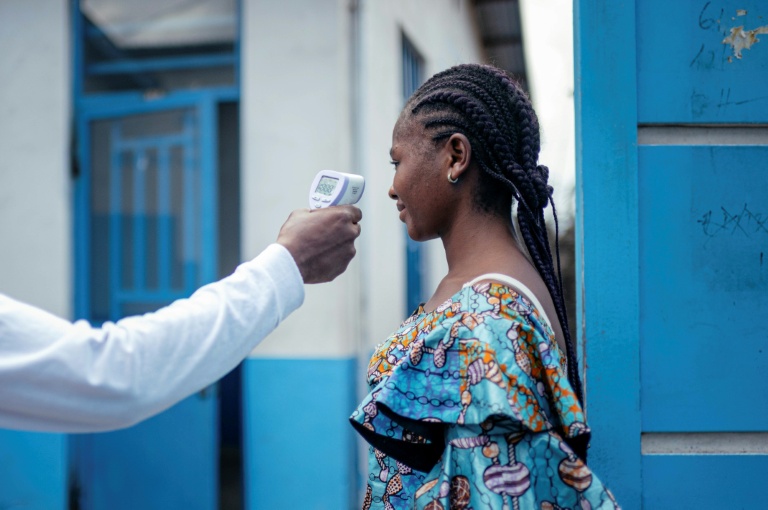
WHO Declares International Health Emergency as Rare Ebola Strain Spreads in DRC: No Vaccine or Treatment Available
The World Health Organization (WHO) has declared the Ebola outbreak in the Democratic Republic of Congo (DRC) a Public Health Emergency of International Concern (PHEIC), its highest level of alert short of a pandemic declaration. The current outbreak, centered in North Kivu and Ituri provinces, is caused by the Bundibugyo strain of Ebola—a rare variant for which no approved vaccine or treatment currently exists, according to the WHO’s latest assessment.
As of May 16, 2026, the WHO has confirmed eight laboratory-proven cases while recording 246 suspected cases and 80 suspected deaths in Ituri province alone. Additional cases have been reported in Kinshasa, the capital, and Kampala, Uganda, among travelers returning from the affected region. The Africa CDC reports 88 probable deaths from 336 suspected cases, though these figures are likely undercounted due to limited testing capacity in hard-to-reach areas.
The declaration follows weeks of alarming reports from local health workers and civil society groups describing uncontrolled spread in mining communities along the borders with Uganda and South Sudan. “We see people dying every day,” said Isaac Nyakulinda, a civil society representative from Rwampara, Ituri, in a telephone interview with the Associated Press. “There is no place to isolate the sick.”
Why this matters: The Bundibugyo strain accounts for less than 1% of all Ebola cases globally, yet its high fatality rate (up to 70% in past outbreaks) and lack of medical countermeasures make this outbreak uniquely dangerous. The WHO’s PHEIC designation triggers global coordination but stops short of a pandemic declaration—distinguishing this from the 2014-2016 West Africa Ebola crisis, which killed over 11,000 people.
No Vaccine, No Treatment: The Unique Challenge of the Bundibugyo Strain
Unlike the more common Zaire ebolavirus, which has driven past epidemics in DRC and neighboring countries, the Bundibugyo strain has never triggered a large-scale outbreak. Existing vaccines—such as the rVSV-ZEBOV (Ervebo) approved by the WHO—are effective only against the Zaire strain. “This is a critical gap,” said Dr. Jean Kaseya, Director of Africa CDC, in a press briefing. “We cannot rely on the tools that have worked in previous outbreaks.”
The strain was first identified in Uganda in 2007, where it caused 149 cases and 36 deaths. Since then, only sporadic cases have been reported, primarily in Uganda and DRC. The current outbreak marks the first time the Bundibugyo strain has spread beyond its initial geographic confines, raising concerns about cross-border transmission.
Key difference: While the Zaire strain has a case fatality rate of ~67%, the Bundibugyo strain’s rate varies between 25% and 70% depending on the outbreak. The lack of medical countermeasures means treatment relies on supportive care—hydration, pain management, and monitoring—similar to past Ebola responses.
Why the WHO Declared a PHEIC: Three Critical Factors
The WHO’s decision to invoke the PHEIC was based on three intersecting risks:
- Rapid geographic spread: Cases have been confirmed in three countries (DRC, Uganda, and now Kinshasa), with active transmission in mining hubs that serve as transit points for regional migration. The Ituri province, where the outbreak is centered, is a gold-mining hotspot with porous borders and frequent movement of workers.
- Limited testing capacity: Only eight of 246 suspected cases have been lab-confirmed due to logistical challenges in remote areas and security risks from armed groups operating in the region. The Africa CDC estimates actual case numbers could be 3–5 times higher.
- No pre-existing immunity: Unlike the Zaire strain, which has caused repeated outbreaks in DRC, the Bundibugyo strain has no documented circulation in human populations, meaning no natural or vaccine-induced immunity exists.
On the Ground: The Human Toll and Response Challenges
Local health workers describe a collapse of basic services in affected villages. “Families are burying their dead at night to avoid detection,” said a nurse from a mobile clinic in Dungu, Ituri, who requested anonymity. “People fear stigma and punishment if they report symptoms.” The WHO has deployed 100 international experts to support response efforts, but access remains restricted due to ongoing conflict between armed groups and MONUSCO peacekeepers.
Uganda has activated its national Ebola task force and increased screening at border crossings, while Rwanda and South Sudan have enhanced surveillance in high-risk areas. The WHO has urged neighboring countries to “prepare for the possibility of imported cases.”
What Happens Next: Global Coordination and Local Hurdles
The PHEIC declaration triggers several immediate actions:

- Global funding appeal: The WHO has requested $50 million to scale up response efforts, including rapid diagnostic testing, safe burials, and community engagement. As of May 19, only 12% of the target has been pledged.
- Travel advisories: The U.S. CDC and EU health agencies have issued Level 2 travel health notices (practice enhanced precautions) for Ituri and North Kivu provinces.
- Scientific urgency: The WHO has convened an emergency meeting of global health researchers to “accelerate development of countermeasures” for the Bundibugyo strain. Clinical trials for repurposed drugs (e.g., remdesivir) are being fast-tracked.
- Cross-border coordination: The Africa CDC is leading a regional task force with DRC, Uganda, Rwanda, and South Sudan to harmonize response strategies.
However, local security remains the biggest obstacle. Armed groups in Ituri have blocked humanitarian convoys, and mining cooperatives continue to operate despite health warnings. “Without peace, there can be no containment,” said a UN official briefing reporters in Geneva.
Key Takeaways
- The WHO’s PHEIC declaration is the second-highest alert level (below pandemic status) and triggers global coordination but no mandatory travel restrictions.
- The Bundibugyo strain is rare but deadly, with no approved vaccine or treatment—unlike the Zaire strain, which has medical countermeasures.
- 246 suspected cases and 80 deaths have been reported in DRC’s Ituri province, with confirmed cases in Kinshasa and Kampala, indicating cross-border spread.
- Mining activity and armed conflict are complicating response efforts, with only 8 of 246 cases lab-confirmed due to limited access.
- Neighboring countries are on high alert, with Uganda and Rwanda enhancing border screenings and Rwanda activating its national task force.
- The WHO has launched a $50 million funding appeal but faces logistical and security challenges in deploying resources.
What You Can Do: Stay Informed and Prepared
While the risk to travelers remains moderate (Level 2 advisory), the situation underscores the importance of global health vigilance. Here’s how to stay informed:
- Official updates:
- WHO Ebola Situation Room: WHO Ebola Dashboard
- Africa CDC: Africa CDC Outbreak Tracker
- U.S. CDC Travel Health Notices: CDC DRC Advisory
- If traveling to Central Africa:
- Avoid contact with sick or deceased individuals.
- Follow food safety guidelines (e.g., no bushmeat, no raw fruit juices).
- Register with your embassy and monitor local advisories.
- For researchers and policymakers: The WHO’s Ebola Strategic Response Plan outlines priority areas for global collaboration.
Next Steps: The WHO will convene a technical advisory group on May 22, 2026 to review progress and adjust response strategies. A donor pledging conference is scheduled for June 1, 2026, in Geneva.
Have questions about Ebola risks or preparedness? Share your concerns in the comments below—or email our health desk for expert analysis.
- Global Cancer Cases Projected to Hit 35 Million by 2050: WHO Report Highlights Asia’s Rising Burden
- HPV Vaccine Risks: Autoimmune Diseases, Vasculitis, and Death Explained
- Potential Health Risks Loom as Northwest Arkansas Faces Continued Heat Advisory (world-today-news.com)
- Wildfire Preparedness Level 5, Explained: Why the Alarm Just Maxed Out (daybreakwire.com)