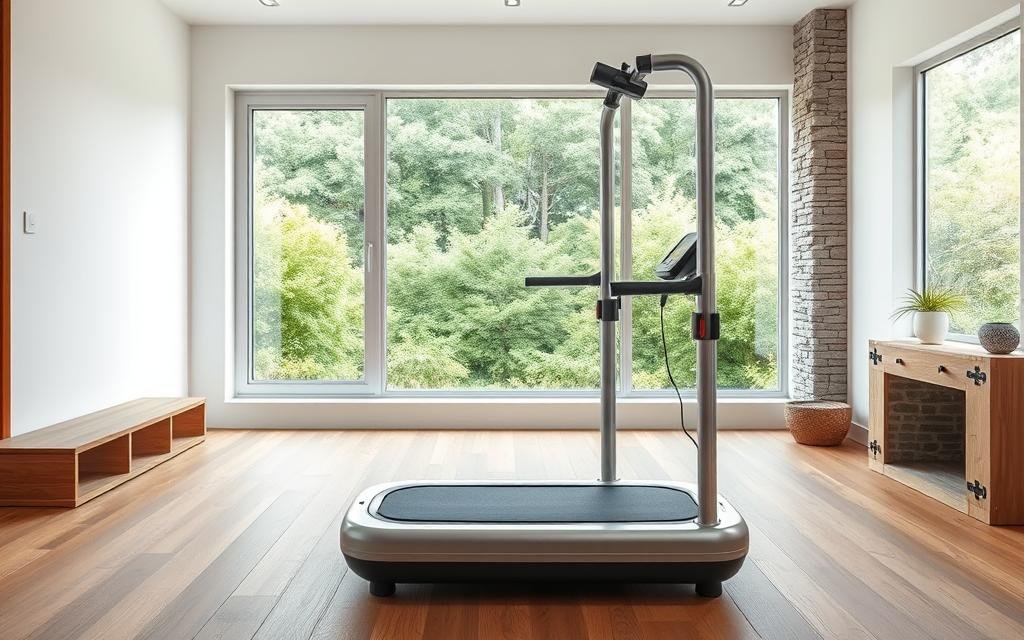
Whole-body vibration machines have established a distinct niche in modern fitness and physical therapy, drawing interest from athletes, older adults, and individuals seeking low-impact conditioning options. According to reporting from the Mayo Clinic, these devices operate by transmitting mechanical energy through a vibrating platform where a user stands, sits, or lies. This rapid movement forces muscles to contract and relax dozens of times each second, producing physical sensations that mimic active physical exertion.
Originally developed for Russian cosmonauts to maintain muscle strength in space, as detailed by Health and Med, whole-body vibration training has since expanded into commercial gyms and home fitness environments. While enthusiasts credit the machines with supporting weight loss, building strength, and enhancing circulation, medical researchers continue to examine how these vibration plates compare to traditional forms of exercise such as walking, cycling, or swimming.
Understanding the actual physiological mechanisms, potential health outcomes, and necessary safety precautions helps users determine whether vibration training fits their personal wellness goals. Comprehensive medical evaluation remains essential before starting any new vibration-based routine, particularly for pregnant individuals or those managing chronic health conditions.
Mechanisms and Muscle Activation in Vibration Training
When a user steps onto a whole-body vibration machine, the high-frequency mechanical stimulation prompts reflexive muscle contractions throughout the body. According to Health and Med, this rapid stimulation engages muscle fibers more effectively than conventional workouts.
Advocates suggest that short sessions—often cited as 15 minutes a day, three times a week—can help improve flexibility, enhance blood flow, reduce post-exercise muscle soreness, and decrease levels of the stress hormone cortisol, as reported by the Mayo Clinic. Furthermore, proponents note that the movement generated by vibration plates supports lymphatic drainage, which aids the body in oxygenating tissues and reducing fluid retention.
Despite these reported advantages, the Mayo Clinic notes that comprehensive scientific research on whole-body vibration remains limited. It is not yet fully established whether these machines provide the same range of health benefits as exercise you actively engage in, such as walking, biking or swimming.
Therapeutic Applications and Bone Density Support
Beyond general fitness, whole-body vibration therapy serves specific rehabilitative and therapeutic roles under proper medical supervision. According to clinical research highlighted by the Mayo Clinic, controlled use of vibration platforms can help reduce back pain, improve strength and balance in older adults, and reduce bone loss.
The low-impact nature of vibration training makes it particularly appealing for individuals experiencing joint discomfort or mobility challenges. By strengthening the muscles surrounding joints, regular sessions may help provide better support and stability, according to Health and Med.
Additionally, some users integrate vibration plates into post-workout routines to minimize joint stiffness and promote muscle relaxation following high-intensity athletic training. Enhanced circulation assists in reducing muscle soreness, according to Health and Med.
Safety Guidelines and Medical Consultations
Medical professionals emphasize that whole-body vibration machines are not a standalone shortcut for weight loss or physical conditioning. According to the Mayo Clinic, individuals looking to improve overall health must maintain a balanced diet and incorporate traditional aerobic and strength training into their daily routines.
Safety is a primary consideration before operating a vibration platform. The Mayo Clinic advises anyone who is pregnant or managing underlying medical conditions to consult a physician prior to use, as intense mechanical vibration can pose risks in certain clinical situations.
For beginners starting a routine, fitness experts recommend beginning with basic stances—such as standing on the platform with a slight knee bend—to allow the body to adjust while safely engaging core and leg musculature before attempting dynamic exercises like squats or lunges.
Worth a look