
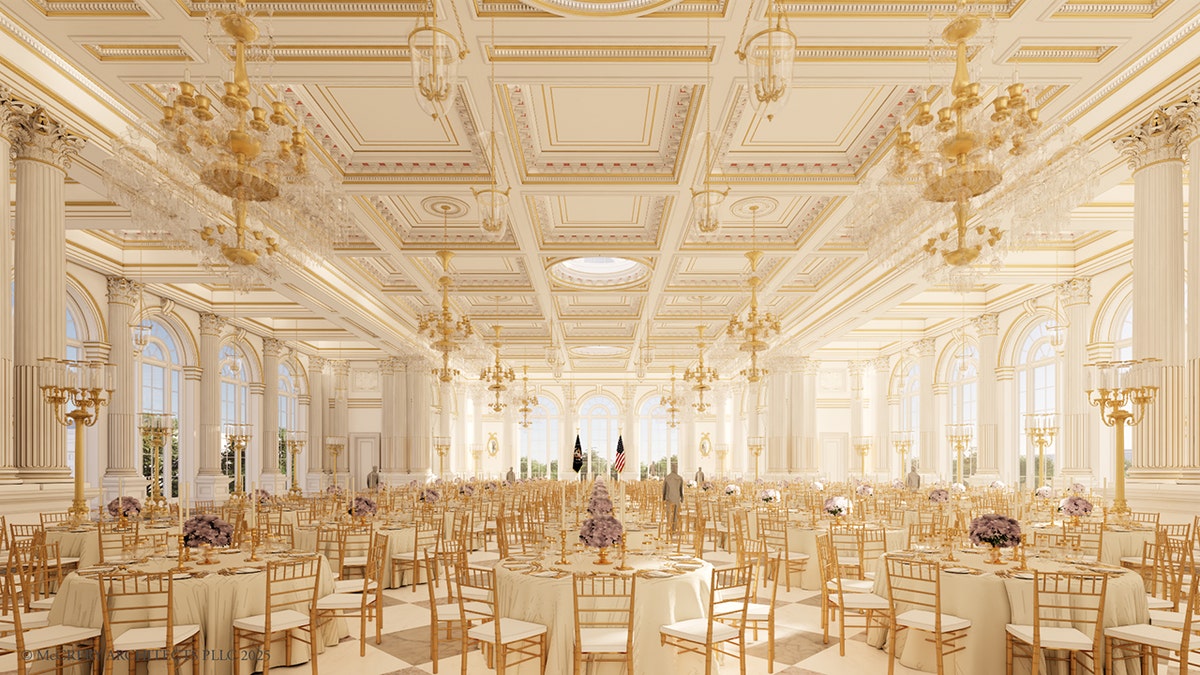
The intersection of geopolitical prestige and architectural utility has rarely been as contentious as it is today surrounding the ongoing overhaul of the White House East Wing. For decades, the official residence of the United States president has balanced the rigid requirements of historic preservation with the evolving needs of modern diplomacy, often resulting in logistical compromises that have become a point of public and political debate.
At the center of this tension is the construction of the new White House State Ballroom, an ambitious expansion designed to eliminate the reliance on temporary structures for the nation’s most formal diplomatic gatherings. Although the project is framed as a necessary upgrade for 21st-century statecraft, it has sparked a wider conversation about the costs of presidential luxury and the permanence of architectural change in a site of such immense historical significance.
From a business and economic perspective, the expansion represents a strategic shift in how the executive branch manages the recurring costs of high-level diplomacy. For years, the limitations of the existing East Room—which accommodates approximately 200 guests—have forced the administration to utilize massive, temporary tents for state dinners. These structures are not only criticized for their aesthetic impact on the White House grounds but for their staggering operational costs, which can exceed $1 million per event.
The transition to a permanent, secure venue is intended to streamline these expenditures, though the initial capital investment and the resulting legal challenges have created a complex financial and regulatory landscape. As the project nears a critical deadline, the White House State Ballroom expansion stands as a case study in the friction between administrative efficiency and the preservation of national heritage.
The Logistics of Presidential Diplomacy
The impetus for the expansion is rooted in a fundamental capacity gap. The East Room has long served as the primary venue for formal receptions, but its limited seating makes it impractical for the scale of modern state dinners, which often require space for hundreds of international dignitaries, security detail and staff. This has historically led to the construction of temporary tents on the South Lawn, a practice that previous administrations have described as inefficient and visually unappealing.


The proposed solution is an 89,000-square-foot expansion of the East Wing. This new facility is designed to provide a high-capacity, secure environment that eliminates the need for outdoor temporary structures, regardless of weather or security threats. By integrating a permanent ballroom, the administration aims to ensure that the dignity of state events is matched by the infrastructure supporting them, moving away from the “elbow to elbow” conditions often reported in temporary setups.
However, the scale of the project has not been without critics. The destruction of the original East Wing in October 2025 to make way for the new construction was viewed by some architectural historians as an unnecessary loss of historic fabric. The debate centers on whether the utility of a larger ballroom justifies the erasure of previous architectural iterations of the executive residence.
Regulatory Hurdles and Legal Challenges
The path to completing the ballroom has been marked by significant regulatory scrutiny. The project’s design and permitting process faced multiple challenges, reflecting a broader struggle between the executive branch’s desire for modernization and the oversight roles of planning commissions.
A pivotal moment occurred on April 2, 2026, when the National Capital Planning Commission approved the final project design in an 8–1 vote. This approval was a critical step in legitimizing the expansion, though the narrow margin of dissent highlights the ongoing disagreement over the project’s design and its impact on the surrounding landscape.
Despite the commission’s approval, the project remains entangled in legal disputes. Current court rulings have allowed above-ground construction to proceed, but only through a narrow window. Reports indicate that construction is permitted to continue only until June 2026, creating a high-pressure timeline for contractors and architects to complete the primary structure before facing further potential injunctions.
The Economic Trade-off: Capital Expenditure vs. Operational Cost
As a financial analysis of the project, the White House State Ballroom expansion presents a classic conflict between short-term capital expenditure and long-term operational savings. The recurring cost of million-dollar tents for every major state event represents a significant drain on resources that, while perhaps smaller than the total construction cost of a new wing, is fundamentally inefficient.
The financial justification for the expansion rests on several pillars:
- Reduction in Recurring Costs: Eliminating the need for high-cost temporary rentals and labor for tent assembly, and disassembly.
- Enhanced Security Infrastructure: Integrating permanent security measures into the ballroom’s design, reducing the need for temporary security perimeters and specialized equipment for outdoor events.
- Increased Diplomatic Capacity: Allowing for larger gatherings without the logistical risks associated with outdoor weather or temporary structures.
Critics, however, point to the lack of transparency regarding the total funding for the project and the potential for cost overruns, which are common in high-security government construction. The tension remains between those who see the ballroom as a prudent investment in the “brand” of the United States and those who view it as an extravagance during a period of economic scrutiny.
Preserving the Legacy of the Executive Residence
Beyond the balance sheets and the blueprints, the expansion touches upon the symbolic nature of the White House. The East Wing has historically been a place of transition and reception, and the decision to replace it entirely rather than renovate it in place was a point of significant contention. The loss of historic architectural and landscape features is often cited as the primary cost that cannot be measured in dollars.
The project’s proponents argue that the White House must be a living building, capable of evolving to meet the needs of the current president and the requirements of global diplomacy. They suggest that the creation of a secure, permanent ballroom is not merely about luxury, but about the ability of the United States to host the world with a level of professionalism and security that matches its global standing.
As the June 2026 deadline approaches, the completion of the ballroom will likely be viewed as either a triumph of modernization or a cautionary tale of administrative overreach. The result will be a permanent change to one of the most recognized silhouettes in the world, reflecting the priorities of the era in which it was built.
Key Project Milestones
| Date | Event/Milestone | Status |
|---|---|---|
| July 2025 | Project Announcement | Completed |
| September 2025 | Construction Commencement | Completed |
| October 2025 | Demolition of Original East Wing | Completed |
| April 2, 2026 | NCPC Final Design Approval (8-1 vote) | Completed |
| June 2026 | Current Legal Construction Deadline | Pending |
The next critical checkpoint for the project is the June 2026 legal deadline, which will determine if construction can continue or if the project will face a forced hiatus. Updates regarding further court rulings or extensions of the construction window are expected as the date draws nearer.
We invite our readers to share their perspectives on the balance between historic preservation and modern utility in government architecture. Join the conversation in the comments below or share this analysis with your network.