
For decades, one of the most perplexing mysteries in neurology has been the “resilience” of certain neurons. In patients with Alzheimer’s disease and related dementias, the brain becomes a battlefield of toxic protein aggregates. Yet, while some neurons succumb quickly to these proteins, others remain remarkably functional, seemingly immune to the decay surrounding them.
This disparity has long suggested that the brain possesses an inherent, though poorly understood, defense mechanism. The question has never been whether the brain fights back, but rather how it does so—and why that defense fails in some cells while succeeding in others. A recent breakthrough by researchers at UCLA Health and the University of California, San Francisco (UCSF), has finally provided a molecular answer to this riddle.
The study, published in the prestigious journal Cell, identifies a specific cellular defense system that protects neurons from the buildup of tau proteins. By uncovering the machinery that marks these toxic proteins for disposal, scientists have opened a new door toward therapies that could potentially strengthen the brain’s natural resilience against neurodegeneration.
As a physician with over a decade of experience in internal medicine, I have seen the devastating trajectory of dementia first-hand. The shift from treating symptoms to understanding the cellular “cleanup” process represents a fundamental change in how we approach the disease. We are moving from simply observing the wreckage of the brain to identifying the tools the brain uses to save itself.
The Tau Problem: When Brain Proteins Turn Toxic
To understand the significance of this discovery, We see first necessary to understand the role of tau. In a healthy brain, tau is a protein that stabilizes microtubules, which act as the “railroad tracks” for transporting nutrients and molecules within neurons. When tau functions correctly, it ensures the structural integrity of the cell and the efficient flow of information.
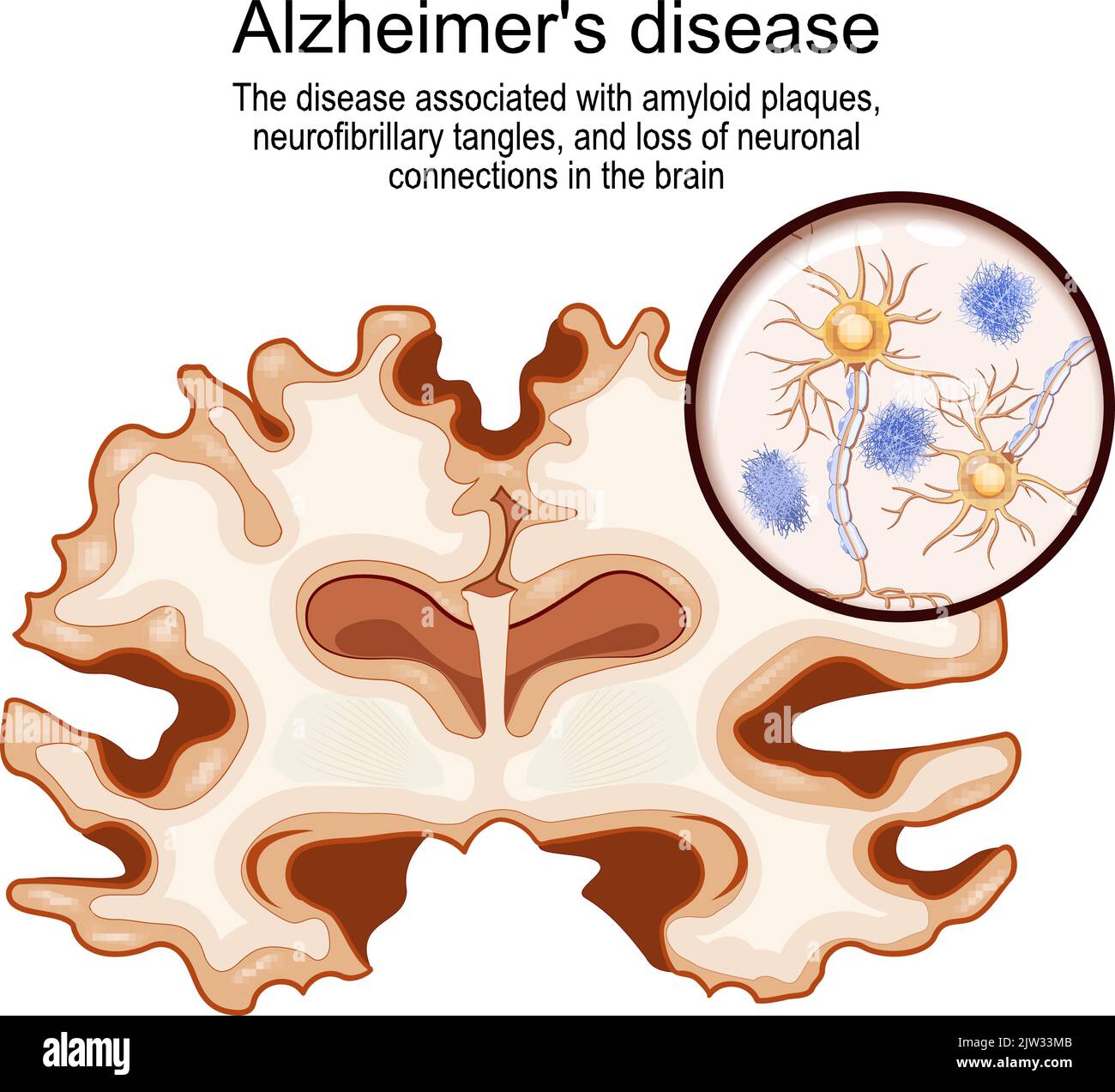
However, in Alzheimer’s disease and frontotemporal dementia, tau undergoes a pathological change. It becomes hyperphosphorylated, causing it to detach from the microtubules and clump together into “neurofibrillary tangles.” These clumps are toxic; they disrupt cellular transport and eventually trigger the death of the neuron. Tau is the most common protein to aggregate in these types of neurodegenerative diseases, and its spread through the brain often correlates closely with the severity of cognitive decline.
The central mystery has always been the uneven distribution of this damage. Some areas of the brain are ravaged by tau tangles early on, while other neurons, even those in the same vicinity, remain clear. This suggests that certain cells are better equipped to handle the protein load than others.
Identifying the ‘Cleanup Crew’: The CRL5SOCS4 Complex
The research team from UCLA and UCSF sought to map the internal systems that control how tau accumulates. Using a sophisticated CRISPR-based genetic screening approach on lab-grown human brain cells, they were able to systematically deactivate genes to see which ones were essential for tau clearance.
Their findings revealed a critical protein complex known as CRL5SOCS4. This complex acts as a cellular “cleanup crew.” Its primary job is to identify toxic tau proteins and mark them for degradation, effectively hauling the waste away before it can form the harmful clumps that kill neurons.
When the CRL5SOCS4 complex is functioning efficiently, the neuron can maintain a low level of tau, preventing the formation of tangles. When this system is impaired or overwhelmed, tau accumulates, leading to the neurodegeneration characteristic of Alzheimer’s. This discovery provides a biological explanation for neuron resilience: cells that maintain a robust CRL5SOCS4 defense are more likely to survive the toxic environment of a diseased brain.
The Role of CRISPRi in Mapping Brain Resilience
The methodology used in this study is as significant as the discovery itself. The researchers utilized CRISPRi (CRISPR interference), a tool that allows scientists to “turn down” or silence specific genes without permanently altering the DNA sequence. This allowed the team to observe the real-time effects of losing specific cellular processes on tau accumulation.
By applying this screen to lab-grown human neurons, the scientists could observe exactly which genetic “switches” controlled the tau levels. This high-throughput approach allowed them to move beyond guesswork and pinpoint the CRL5SOCS4 complex as a primary driver of tau degradation. The use of human-derived cells ensures that the findings are more directly applicable to human pathology than previous studies relying solely on animal models.
From Discovery to Therapy: What Happens Next?
The identification of the CRL5SOCS4 complex shifts the therapeutic conversation. For years, much of the research focus in Alzheimer’s has been on clearing existing plaques or tangles—essentially trying to clean up a house after it has already been flooded. The discovery of this natural defense system suggests a “preventative” strategy: strengthening the brain’s own drainage system to prevent the flood from happening in the first place.

If scientists can develop pharmacological agents that enhance the activity of the CRL5SOCS4 complex, it may be possible to boost the resilience of vulnerable neurons. This could potentially slow the progression of the disease by ensuring that tau is degraded as quickly as it is produced.
the study indicates that cellular stress can produce dangerous tau fragments that are specifically linked to the progression of Alzheimer’s. By understanding how the CRL5SOCS4 complex interacts with these fragments, researchers can better understand the tipping point at which a neuron moves from being “resilient” to “vulnerable.”
Key Implications for Neurodegenerative Disease
- Broad Application: While the study focused heavily on Alzheimer’s, tau pathology is a hallmark of several dementias, including frontotemporal dementia, meaning these findings could benefit a wider patient population.
- Personalized Medicine: In the future, genetic screening might determine if a patient has a naturally weaker tau-clearance system, allowing for earlier and more targeted interventions.
- New Drug Targets: The CRL5SOCS4 complex provides a concrete molecular target for pharmaceutical development, moving away from broader, less specific anti-inflammatory or amyloid-targeting drugs.
For the millions of families affected by dementia, this research offers a glimmer of hope rooted in the brain’s own biology. The realization that the brain has a built-in mechanism for resisting Alzheimer’s means that the “cure” may not be an external chemical, but rather the amplification of a process the body already knows how to perform.

As we move forward, the medical community will be watching for the transition of these findings from lab-grown neurons to clinical trials. The path from a CRISPR screen to a pharmacy shelf is long and rigorous, but identifying the “secret” to neuronal resilience is a mandatory first step.
The next phase of this research will likely involve determining how to safely activate the CRL5SOCS4 complex in living human brains without disrupting other essential cellular functions. Updates on these potential therapeutic pathways are expected as the researchers move into expanded animal models and early-stage human biomarker studies.
Do you or a loved one navigate the challenges of cognitive health? We invite you to share your thoughts and questions in the comments below. Please share this article to help spread awareness of these emerging medical breakthroughs.
Worth a look