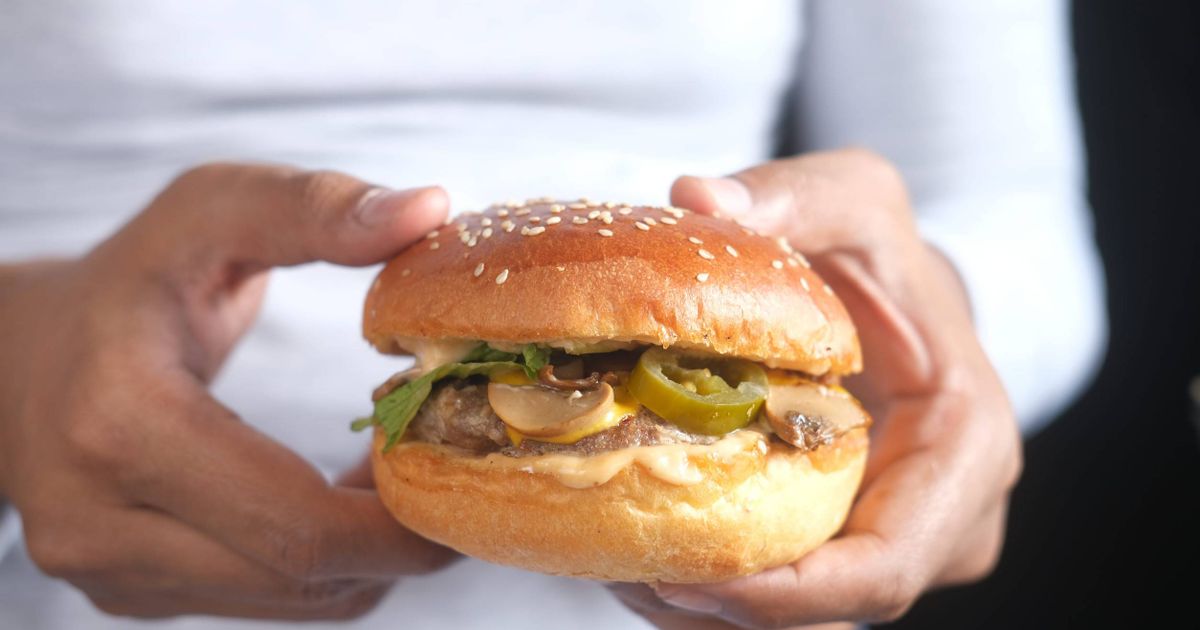
American caloric intake has increased by approximately 23 percent since the 1970s, a trend driven largely by shifts in food processing, portion sizes, and the increased availability of ultra-processed foods. According to data from the U.S. Department of Agriculture (USDA) Economic Research Service, the average daily caloric intake for Americans rose significantly between 1970 and 2010, contributing to long-term public health challenges including rising rates of obesity and metabolic syndrome.
As a physician, I have observed that this shift is not merely a matter of personal willpower but a complex result of changes in the modern food environment. While the 1970s were characterized by a different retail landscape, the subsequent decades saw an explosion in the production of hyper-palatable, energy-dense, and nutrient-poor food products. This transition has fundamentally altered the nutritional baseline for the average consumer.
The Evolution of the American Diet
The increase in caloric consumption is rooted in a fundamental restructuring of the food supply chain. During the 1970s, the American food system began shifting toward the mass production of shelf-stable, ultra-processed items. Analysis from the Centers for Disease Control and Prevention (CDC) indicates that ultra-processed foods now account for a substantial portion of the daily energy intake for both children and adults in the United States. These foods are engineered to be highly palatable, often combining sugar, fat, and sodium in ways that can override natural satiety signals.
Research published in the journal BMJ has linked the consumption of ultra-processed foods to various adverse health outcomes, including cardiovascular disease and type 2 diabetes. The economic accessibility of these foods—often cheaper than fresh produce or lean proteins—has created a systemic barrier to healthier dietary patterns. When energy-dense food is the most affordable and convenient option, the statistical rise in total caloric intake becomes an expected market outcome rather than a series of individual choices.
Portion Sizes and the “Calorie Creep”
Beyond the composition of food, the physical volume of what is served has undergone a significant transformation. Studies tracking food portions in the U.S. have identified a “portion size effect,” where individuals consistently consume more when presented with larger serving sizes. This phenomenon is supported by findings from the National Institutes of Health (NIH), which confirmed that portion sizes for both home-prepared and restaurant meals have grown substantially over the last several decades.
This increase is often subtle, a process known as “calorie creep.” Because the caloric density of these larger portions has also risen, the total energy load of a standard meal can be significantly higher today than it was fifty years ago without a corresponding increase in perceived volume. For the average consumer, this makes it difficult to gauge actual energy intake against daily requirements, often leading to a consistent caloric surplus.
The Role of Food Engineering and Marketing
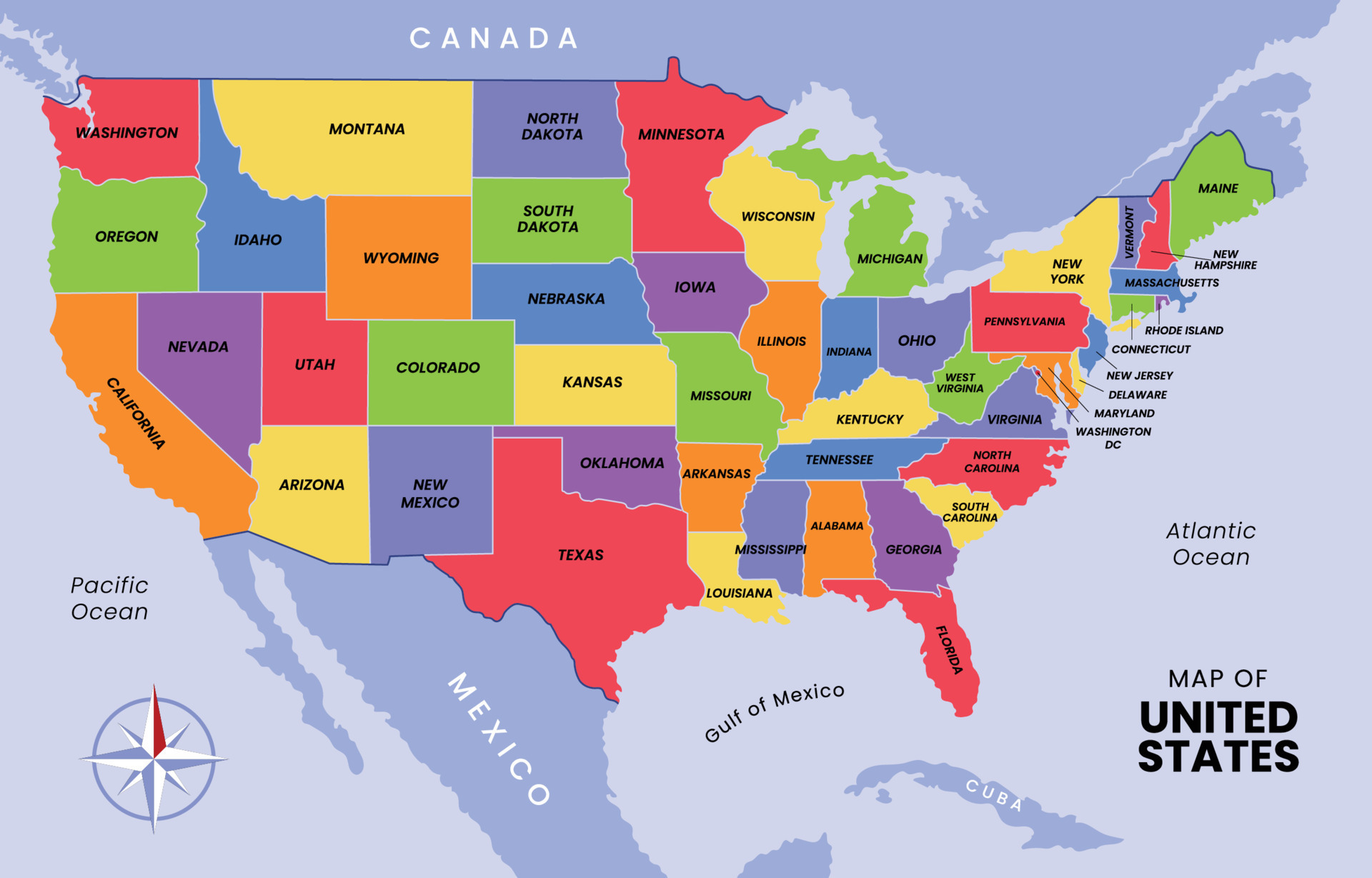
The rise in intake is also influenced by the aggressive marketing and widespread availability of food. Modern food environments are characterized by “food deserts” in some areas and “food swamps” in others, where high-calorie, low-nutrient options are ubiquitous. According to the USDA Food Access Research Atlas, geographical proximity to different types of food retailers plays a measurable role in shaping dietary habits and, by extension, total energy consumption.
Furthermore, the ubiquity of snacking has changed the cadence of the American diet. In the 1970s, eating was more frequently tied to distinct meal times. Today, the constant availability of food—at work, in transit, and through digital delivery services—has normalized near-constant caloric intake. This shift in behavior, combined with the physiological effects of ultra-processed ingredients, creates a cycle where hunger is often triggered by the environment rather than biological need.
Public Health Implications and Moving Forward
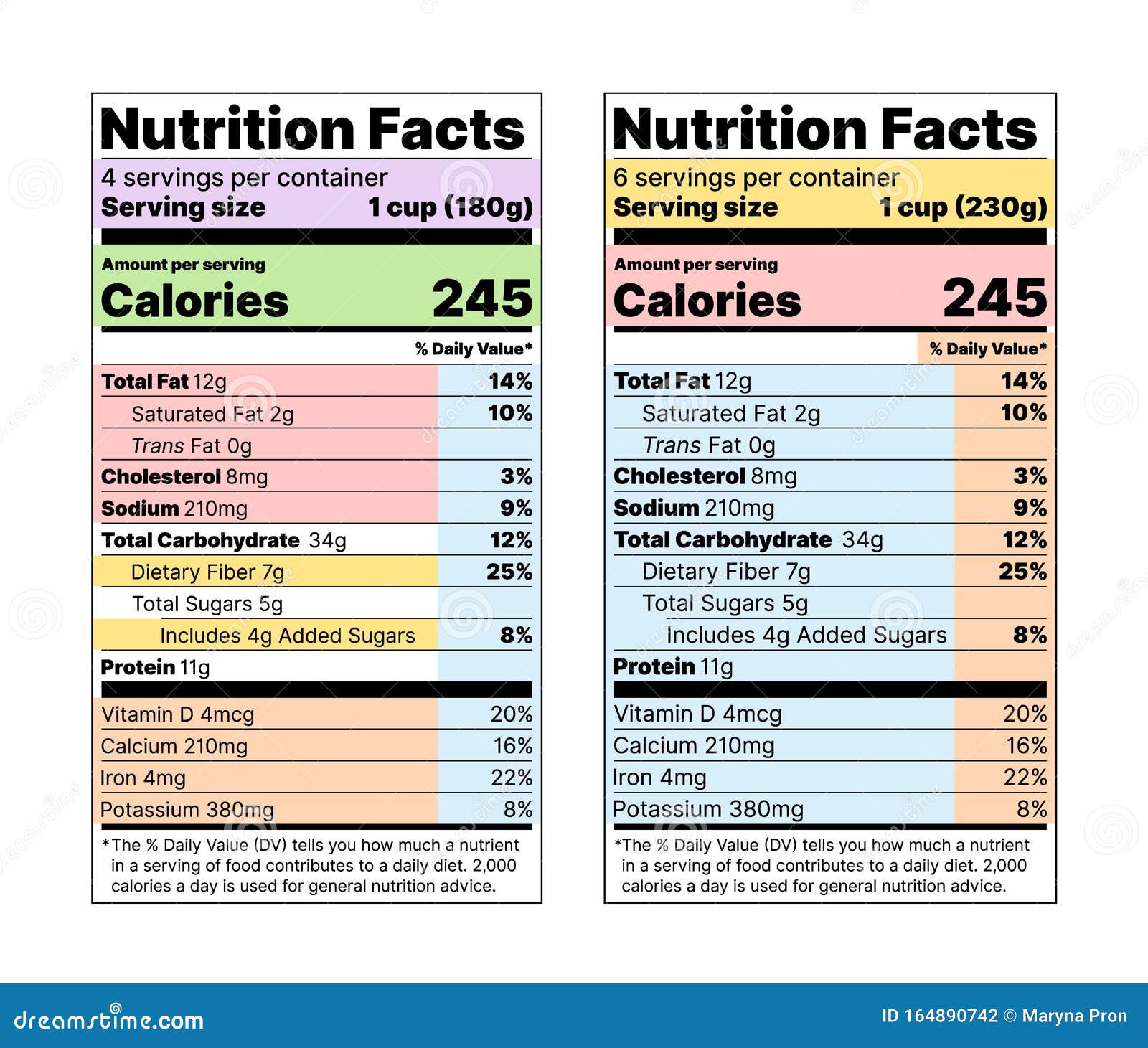
Understanding these drivers is essential for addressing the public health crisis associated with the 23 percent increase in caloric intake. Public health policy has shifted toward initiatives that emphasize nutrition labeling and transparency, such as the updated Nutrition Facts label mandated by the U.S. Food and Drug Administration (FDA). These labels are designed to provide more accurate information regarding serving sizes and added sugars, helping consumers make more informed decisions.
However, education alone is often insufficient to counter the structural forces of the current food environment. Medical professionals and policymakers are increasingly looking at systemic interventions, such as subsidies for fresh produce and taxes on sugar-sweetened beverages, to rebalance the economic incentives that favor unhealthy caloric intake. As we look ahead, the next checkpoint for federal dietary guidance will be the release of the 2025–2030 Dietary Guidelines for Americans, which will provide updated recommendations based on the latest nutritional research.
The challenge remains to bridge the gap between individual behavioral changes and the systemic changes required to stabilize caloric intake. Addressing this issue will require a multi-faceted approach involving food manufacturers, public health regulators, and healthcare providers. We encourage our readers to share their thoughts on how these environmental factors have impacted their own dietary choices in the comments below.