
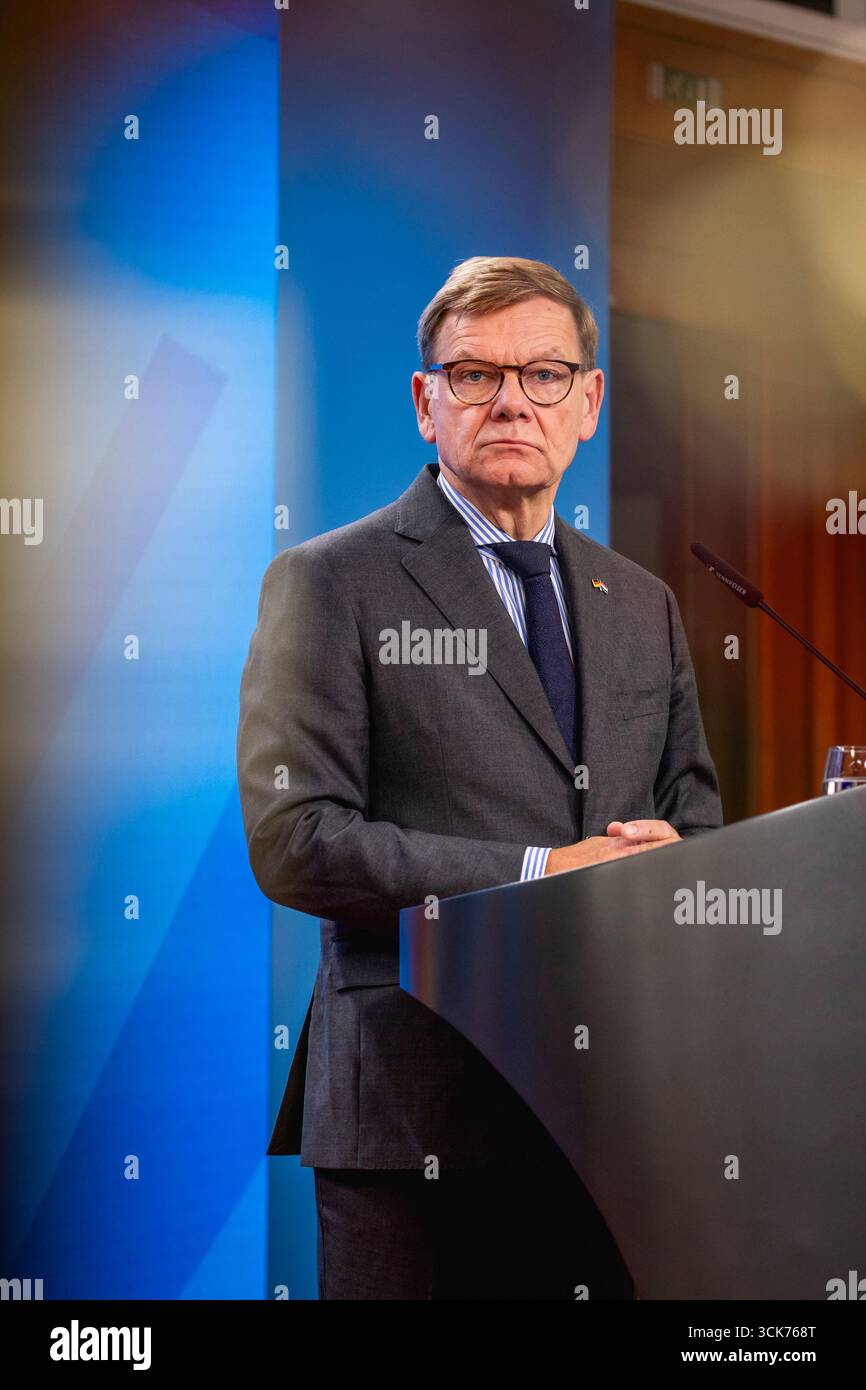
Germany’s recent failure to secure a non-permanent seat on the United Nations Security Council has prompted a rigorous internal debate regarding the nation’s diplomatic strategy and the broader efficacy of the UN system. While political figures like Johann Wadephul have publicly addressed the result, critics and policy analysts suggest the discourse often overlooks structural shifts in global influence, particularly the growing assertiveness of the Global South and the perceived stagnation of traditional Western power blocs within the international organization.
The Security Council, tasked with maintaining international peace and security, remains a focal point for global governance. However, as noted by the Tagesspiegel, the institution is increasingly characterized by some observers as a “veteran’s club” struggling to manage real-time geopolitical escalations. This tension between established power structures and the evolving demands of UN member states serves as the backdrop for Germany’s electoral challenges in the chamber.
Geopolitical Shifts and the Quest for Security Council Reform
The composition of the UN Security Council is frequently criticized for failing to reflect the realities of the 21st century. According to the taz, the rising influence of African nations and other emerging economies is reshaping the traditional voting blocs that have historically favored Western candidates. Germany’s unsuccessful bid is viewed by many analysts as a symptom of this shifting landscape, where support for European candidates is no longer guaranteed by long-standing diplomatic alliances.

In the German Bundestag, discussions regarding the UN election results have highlighted a divide in how policymakers interpret the loss. While some focus on technical campaign shortcomings, others point to a fundamental disconnect between German foreign policy priorities and the expectations of the broader UN membership. This debate is not merely about a single seat; it is an examination of Germany’s role in multilateralism at a time when the UN’s authority is being tested by concurrent crises in Ukraine, the Middle East, and beyond.
The Structural Challenges of Multilateral Diplomacy
A primary critique of the current UN framework is its perceived inability to act decisively in the face of modern conflict. The Security Council’s reliance on the veto power of permanent members often leads to gridlock, a frustration shared by many non-permanent members. For countries outside the traditional power centers, the UN often appears as an exclusive club where the rules are set by the victors of the Second World War, rather than by the global community of the present day.

Germany’s diplomatic efforts have long centered on the promotion of a “rules-based international order.” Yet, as the geopolitical center of gravity shifts, this rhetoric faces increasing skepticism. Analysts note that for many nations in the Global South, the focus has moved toward tangible development, debt relief, and equitable representation—areas where they argue the current Security Council framework has been insufficient. The failure to secure a seat serves as a signal that German diplomacy must adapt to these changing priorities if it intends to remain a leading voice in international forums.
Comparing Perspectives on Germany’s Diplomatic Standing
The discourse surrounding the election reflects a broader tension in how international news outlets interpret the decline of Western influence in multilateral institutions. While some reports emphasize the technical aspects of the election cycle, others, such as those analyzed by WELT, suggest that the narrative provided by political actors often omits the deeper, systemic reasons for the loss. This includes a potential alienation of partners who no longer see their interests aligned with those of Berlin.
The following table illustrates the contrasting interpretations of the election result:
| Perspective | Primary Focus | Attributed Cause |
|---|---|---|
| Governmental/Official | Technical Campaign | Tactical oversight in lobbying |
| Critical/Analytical | Systemic Realignment | Diminishing influence of traditional blocs |
| Global South/Emerging | Representation | Need for structural UN reform |
What Happens Next for German Multilateralism?
The immediate consequence of this electoral outcome is a period of internal reassessment within the German Federal Foreign Office. Diplomatic observers expect that the upcoming sessions of the UN General Assembly will serve as a testing ground for how Germany recalibrates its engagement with African and Latin American voting blocs. There is no scheduled date for a formal inquiry into the election results, though the matter is expected to remain a standing item in the Bundestag’s Committee on Foreign Affairs.
For observers and citizens tracking international relations, the next key checkpoint will be the release of the UN’s annual report on institutional reform, which is expected to provide further insight into the pressures exerted by member states for a more representative Security Council. Engaging with these policy shifts will be essential for understanding the future of German influence abroad.
We invite our readers to share their perspectives on the evolving role of the United Nations and Germany’s diplomatic trajectory in the comments section below.
Related reading