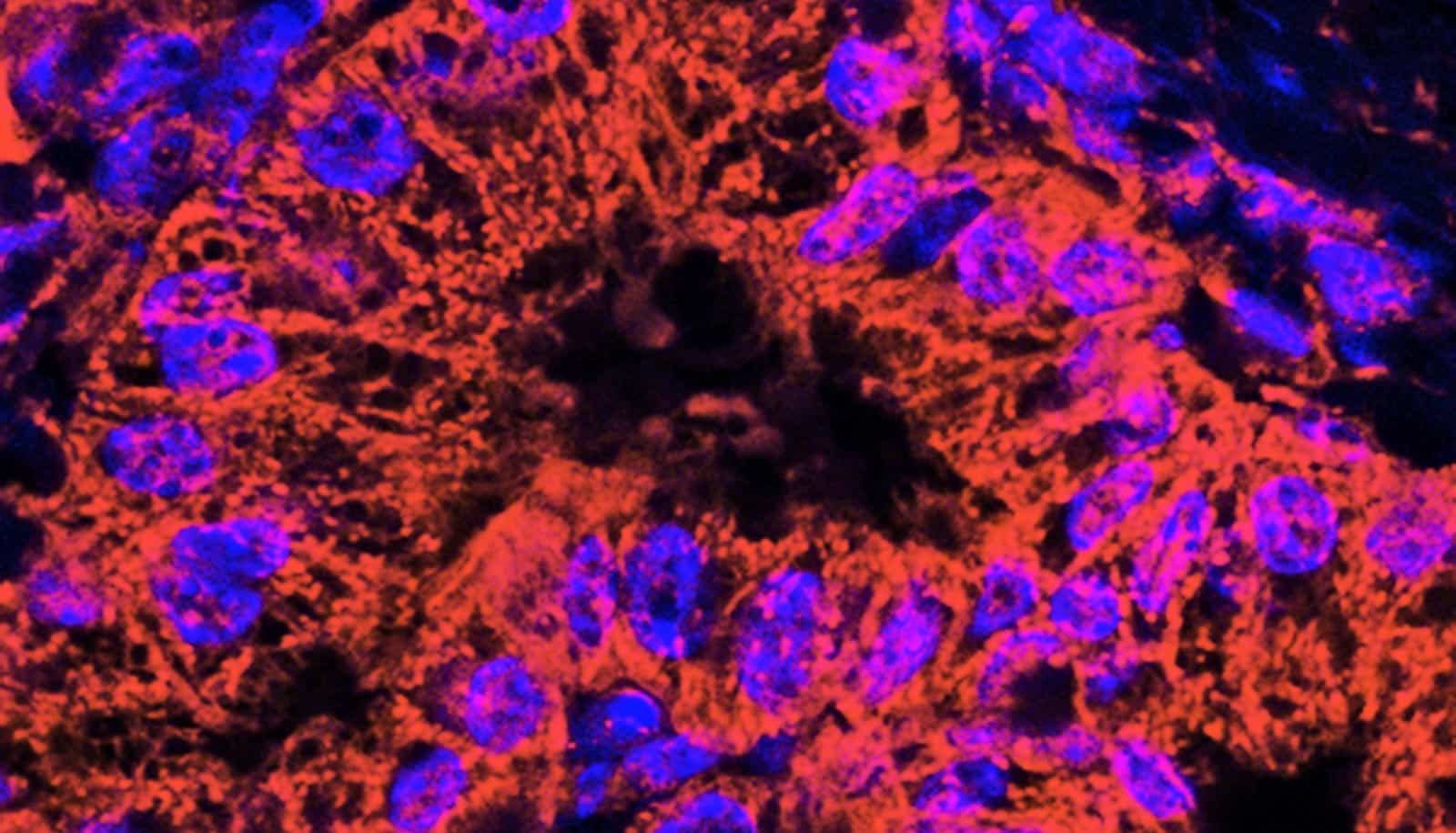
For surgeons and oncologists, the treatment of pancreatic cancer often feels like a race against an invisible opponent. Even when a tumor is successfully excised through complex surgery, the disease has a notorious tendency to return, often erupting from cells that remained hidden in the body, undetected by both medical imaging and the patient’s own immune system.
Recent laboratory findings from University of Rochester Medicine are now providing a molecular explanation for this evasion. Researchers have identified a specific gene that acts as a biological cloak, allowing pancreatic cancer cells to disguise themselves from the immune system’s primary assassins: the killer T cells.
The discovery, published in the journal Developmental Cell, suggests that the difficulty in treating pancreatic cancer is not just a matter of the tumor’s location or aggressiveness, but a sophisticated system of camouflage. By understanding how these cells hide, scientists believe they can develop modern immunotherapy drugs to strip away this protection, making the cancer visible and vulnerable to attack.
This breakthrough comes at a critical time. Pancreatic cancer remains one of the most lethal malignancies, with a five-year survival rate of only 13%, according to data cited by the study’s lead researcher University of Rochester Medicine.
The Dec2 Gene: A Molecular Cloak
The center of this research is a gene known as Dec2. While genes are the blueprints for cellular function, the researchers discovered that Dec2 possesses previously unknown activities specifically within the context of pancreatic cancer. The gene regulates a particular molecule on the surface of tumor cells, effectively masking the cancer from the immune system.
In a healthy immune response, killer T cells circulate through the body, identifying abnormal proteins on the surface of cancer cells and destroying them. However, in pancreatic cancer, the Dec2 gene prevents this recognition. The cancer cells essentially become “invisible” to the T cells, allowing them to persist in the body even after the primary tumor has been removed.
“Pancreatic cancer is an urgent problem, with a five-year survival rate of only 13%,” says Darren Carpizo, a surgeon-scientist and member of the Wilmot Cancer Institute, who led the study. “I routinely witness patients who undergo surgery and experience a recurrence despite our best efforts, and that is disappointing. Our new study brings us another step closer to understanding how these pancreas tumor cells can hide out for long periods of time, and how to target them.” Darren Carpizo, Professor of Surgery and Biomedical Genetics at URochester Medicine
To test this theory, the research team used a laboratory model to knock out
the Dec2 gene. When the gene was disabled, the camouflage vanished. The immune cells were suddenly able to locate and attack the pancreatic cancer cells, providing a strong biological signal that targeting Dec2 could be a viable path for future therapies.
The Role of Circadian Rhythms in Cancer Evasion
Beyond simply acting as a mask, the research revealed that the Dec2 gene operates on a biological clock. The team discovered that Dec2 follows a circadian rhythm—the same internal sleep-wake cycle that regulates human sleep, hormone release, and metabolism.

The levels of Dec2 activity fluctuate throughout a 24-hour period. This means the “cloak” is not constant; it waxes and wanes depending on the time of day. The effectiveness of killer T cells in finding and destroying cancer cells also varied based on the clock.
This finding provides a biological foundation for a phenomenon already observed by some clinicians: the timing of immunotherapy administration. Some medical professionals have noted that certain immunotherapies appear more effective when administered in the morning rather than the evening. By linking this to the Dec2 cycle, the study suggests that the time of day mattered
when T cells attempted to kill the cancer cells.
Implications for mRNA Vaccines and Non-Responders
The discovery of the Dec2 mechanism arrives as the medical community evaluates new frontiers in cancer prevention, including experimental mRNA vaccines. A small clinical trial conducted at Memorial Sloan Kettering involved 16 patients and showed that the vaccine boosted survivorship for half of the participants University of Rochester Medicine.
While the eight patients who generated an immune response remained alive for several years, the other eight did not respond to the vaccine. For researchers like Dr. Carpizo, these non-responders are the primary focus. Because mRNA vaccines rely on T cells to seek out and destroy cancer cells, any mechanism that hides the cancer—such as the activity of Dec2—could explain why 50% of the trial participants did not see a benefit.
If Dec2 is preventing the vaccine from working in certain patients, targeting the gene directly could provide an alternative solution or a complementary therapy to ensure a higher percentage of patients respond to the treatment.
Decoding the Cancer Microenvironment
To achieve these results, the research team utilized a specialized laboratory model using mice designed to mirror the progression of pancreatic cancer in humans. This allowed the scientists to study the cancer microenvironment—the complex ecosystem of tissues, blood vessels, and immune cells that surround a tumor.
The microenvironment is often “pro-tumor,” meaning it actively protects the cancer from the immune system and provides the nutrients necessary for growth. By analyzing this interplay, the team was able to observe exactly how Dec2 interacts with killer T cells in a living system, rather than just in a petri dish.
The study was supported by a pilot grant from the Wilmot Cancer Institute and the National Cancer Institute, highlighting the federal and institutional priority placed on solving the riddle of pancreatic cancer’s resilience.
Key Takeaways from the Research
- The Dec2 Gene: Identified as a key regulator that disguises pancreatic cancer cells from killer T cells.
- Immune Evasion: By disabling Dec2 in lab models, researchers found that the immune system could successfully locate and attack the cancer.
- Circadian Timing: The gene follows a sleep-wake cycle, suggesting that the time of day may influence the effectiveness of certain immunotherapies.
- Vaccine Synergy: This research may explain why some patients do not respond to mRNA vaccines and suggests Dec2 as a potential new therapeutic target.
While these findings are based on laboratory and mouse models, they provide a concrete molecular target for the next generation of pancreatic cancer drugs. The transition from laboratory discovery to clinical application typically involves rigorous testing to ensure that targeting Dec2 does not interfere with other essential biological functions.

The next phase of research will likely focus on whether Dec2 inhibitors can be developed into safe, effective medications for human leverage and whether scheduling immunotherapy around the circadian clock can improve patient outcomes.
For those seeking more information on current clinical trials or the latest guidelines for pancreatic cancer care, the National Cancer Institute provides updated resources on emerging immunotherapies and patient support.
We invite readers to share their thoughts or questions about these developments in the comments section below. Please share this article with others who may find this medical update valuable.