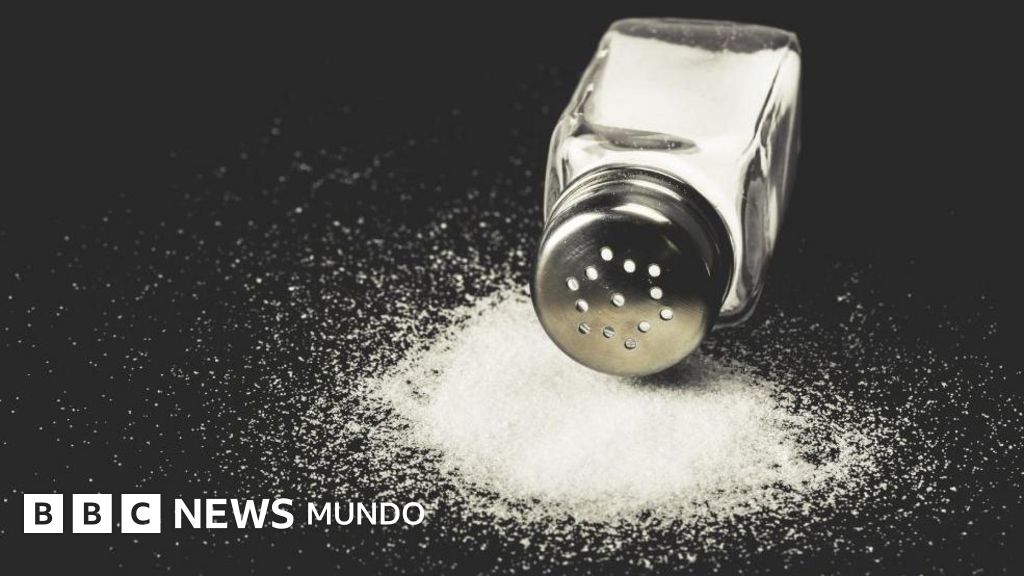
It begins as a subtle urge—a craving for a handful of potato chips, a salted pretzel, or a splash of soy sauce. For many, this drive is nearly irresistible, often overriding the logical knowledge that too much salt is detrimental to health. This phenomenon is not a failure of willpower, but rather the result of a sophisticated biological mechanism designed to ensure our survival.
The human brain is hardwired to seek out sodium as it is an essential electrolyte required for the most basic functions of life. From the firing of neurons to the contraction of muscles, sodium ions are the primary currency of cellular communication. However, in the modern era of ultra-processed foods, this evolutionary drive has become a liability, creating a tension between our ancestral needs and our current environment.
Understanding how salt affects the brain requires looking beyond the taste buds. It involves a complex interplay between the hypothalamus, the reward circuitry of the midbrain, and the evolutionary history of the human species. When we consume salt, we are not just tasting a mineral; we are triggering a neurochemical response that tells the brain the body has secured a precious and necessary resource.
The Chemistry of Craving: Salt and the Reward System
The powerful attraction to salt is driven by the brain’s reward system, specifically the mesolimbic pathway. When sodium hits the taste receptors on the tongue, signals are sent to the brain that trigger the release of dopamine, a neurotransmitter associated with pleasure and reinforcement. This occurs primarily in the nucleus accumbens, a region of the brain central to the processing of rewards.

Research indicates that the reward response to salt is remarkably similar to the response triggered by sugar or certain addictive substances. This dopamine surge reinforces the behavior, making the individual more likely to seek out salty foods in the future. This circuitry ensures that when the body is deficient in sodium, the drive to find it becomes a priority, often outweighing other hunger cues.
The intensity of this reward is modulated by the body’s current sodium status. In a state of sodium deficiency, the brain increases the perceived reward value of salt. This means that for someone who is depleted, a salty snack provides a more intense burst of pleasure than it would for someone whose levels are optimal. This adaptive response is a survival mechanism designed to prevent hyponatremia, a dangerous condition where sodium levels in the blood are too low.
An Evolutionary Blueprint: Why We Seek Sodium
To understand why our brains are so responsive to salt, we must seem back at human evolution. For the vast majority of human history, sodium was a scarce resource in the natural diet. Whereas potassium is abundant in plants, sodium is much harder to find in nature, typically requiring the consumption of specific animal tissues or the discovery of mineral deposits.
Because sodium is critical for maintaining fluid balance and supporting nerve function, those who were biologically driven to seek it out had a significant survival advantage. The brain evolved to treat salt as a high-value prize. This evolutionary pressure created a salt appetite
, a distinct drive separate from general hunger, which ensured that early humans would prioritize the intake of this rare mineral.
In the ancestral environment, the risk of sodium deficiency was a constant threat. Today, however, we live in an era of extreme abundance. The majority of the salt in modern diets does not come from a salt shaker, but from processed and packaged foods. This creates an evolutionary mismatch: our brains are still operating on a scarcity model, rewarding us for consuming a mineral that we now ingest in quantities far exceeding our biological requirements.
Beyond Taste: The Essential Role of Sodium in Nerve Function
While the reward system explains why we crave salt, the physiological necessity explains why we need it. Sodium is fundamental to the operation of the nervous system. Every thought, movement, and heartbeat depends on the movement of sodium ions across cell membranes.
The process begins with the sodium-potassium pump, a specialized protein found in the membranes of all cells. This pump actively moves sodium out of the cell and potassium into the cell, creating an electrical gradient. When a neuron fires, channels open to allow sodium to rush back into the cell. This rapid influx of positive ions changes the electrical charge of the membrane, creating an action potential—the electrical impulse that travels along the nerve to deliver a message to another part of the body.
Without sufficient sodium, these electrical signals would slow down or fail entirely. This is why severe sodium deficiency leads to neurological symptoms, including confusion, lethargy, and in extreme cases, seizures or coma. The brain’s powerful drive for salt is, a defense mechanism against the collapse of the body’s communication network.
The Modern Paradox: From Scarcity to Excess
The very mechanism that once saved our ancestors is now contributing to a global health crisis. The abundance of sodium in the modern diet, combined with the brain’s ingrained reward response, leads many people to consume far more salt than is healthy. The primary danger of this excess is its impact on blood pressure and cardiovascular health.
Sodium attracts water. When there is too much sodium in the bloodstream, the body pulls water from the surrounding tissues into the blood vessels to dilute the concentration. This increase in blood volume puts significant pressure on the walls of the arteries, leading to hypertension. Over time, this chronic pressure damages the heart and kidneys and increases the risk of stroke.
The World Health Organization (WHO) recommends that adults consume less than 5 grams of salt (approximately 2 grams of sodium) per day to reduce the risk of hypertension and heart disease. However, in many developed nations, the average intake is significantly higher, often double the recommended limit, driven largely by the hidden salt in processed foods that trigger the brain’s reward circuitry without providing nutritional value.
The “Salt Trap” in Processed Foods
Food manufacturers often use salt not just for flavor, but as a preservative and a texture enhancer. More importantly, they use it to hit a bliss point
—the precise combination of salt, sugar, and fat that maximizes the dopamine release in the brain. This makes processed foods hyper-palatable, effectively hijacking the evolutionary salt appetite and leading to overconsumption even when the body is not in need of sodium.
| Term | Composition | Role/Context |
|---|---|---|
| Sodium | A single mineral/element (Na) | The active electrolyte that affects blood pressure and nerve firing. |
| Salt | Sodium Chloride (NaCl) | The compound used in cooking; consists of roughly 40% sodium. |
| WHO Limit | < 5g Salt / < 2g Sodium | The daily threshold recommended to prevent cardiovascular disease. |
Managing the Salt Drive
Overcoming the biological drive for salt requires a conscious shift in dietary habits and an understanding of how to read food labels. Since the brain is wired to reward salt, the most effective strategy is to gradually reduce intake, allowing the taste buds and the reward system to recalibrate.

- Prioritize Whole Foods: Fresh fruits, vegetables, and unprocessed grains are naturally low in sodium and high in potassium, which helps counteract the effects of sodium on blood pressure.
- Read Nutrition Facts: Look for the
Sodium
line on packaging. Many foods that do not taste overtly salty, such as bread or canned soups, contain high levels of sodium. - Use Flavor Alternatives: Herbs, spices, lemon juice, and vinegars can provide the sensory stimulation the brain craves without the hypertensive risks associated with sodium.
- Gradual Reduction: The palate adapts. By slowly reducing the amount of added salt, the brain’s threshold for what tastes
salty
lowers, making naturally flavored foods more appealing.
Key Takeaways
- Dopamine Response: Salt triggers the release of dopamine in the nucleus accumbens, creating a reward sensation similar to sugar.
- Evolutionary Root: The drive for salt evolved because sodium was scarce in nature but essential for survival.
- Biological Necessity: Sodium is required for action potentials, the electrical impulses that allow neurons to communicate.
- Modern Risk: Excessive sodium intake leads to water retention and hypertension, increasing the risk of stroke and heart disease.
- Global Standard: The WHO advises a daily limit of under 5 grams of salt to maintain cardiovascular health.
As global health organizations continue to push for stricter regulations on sodium levels in processed foods, the focus is shifting toward systemic changes in food production. The goal is to move away from the bliss point
engineering that exploits our brain’s evolutionary vulnerabilities.
The next major milestone in this effort is the continued implementation of the WHO Global Sodium Reduction targets, which aim to reduce average population salt intake by 30% by 2025. While that deadline has passed, monitoring and reporting on the progress of member states continue to shape international healthcare policy.
Do you find yourself craving salty snacks during stressful periods? Share your experience in the comments below or share this article with someone looking to improve their heart health.