
The landscape of Norwegian cross-country skiing is currently grappling with a volatile power struggle between elite athletes and the national governing body. In a series of developments that have shaken the sport’s traditional stability, several high-profile skiers are resisting calls to join the national team, sparking a confrontation over athlete autonomy and the right to compete on the world stage.
At the center of the dispute is a rigid regulatory framework managed by the Norwegian Ski Federation (Norges Skiforbund). Under current rules, athletes who decline a spot on the national team risk being denied entry into the World Cup and major championships. This “join or be sidelined” ultimatum has created a precarious environment for skiers who prefer the flexibility and specialized support of private teams.
The tension reached a boiling point in late April 2026, as athletes sought a middle ground that would allow them to maintain their professional independence without sacrificing their competitive careers. The situation has drawn sharp criticism from legends of the sport, who view the Federation’s approach as an outdated exercise of power.
The Struggle for Autonomy: Private Teams vs. National Control
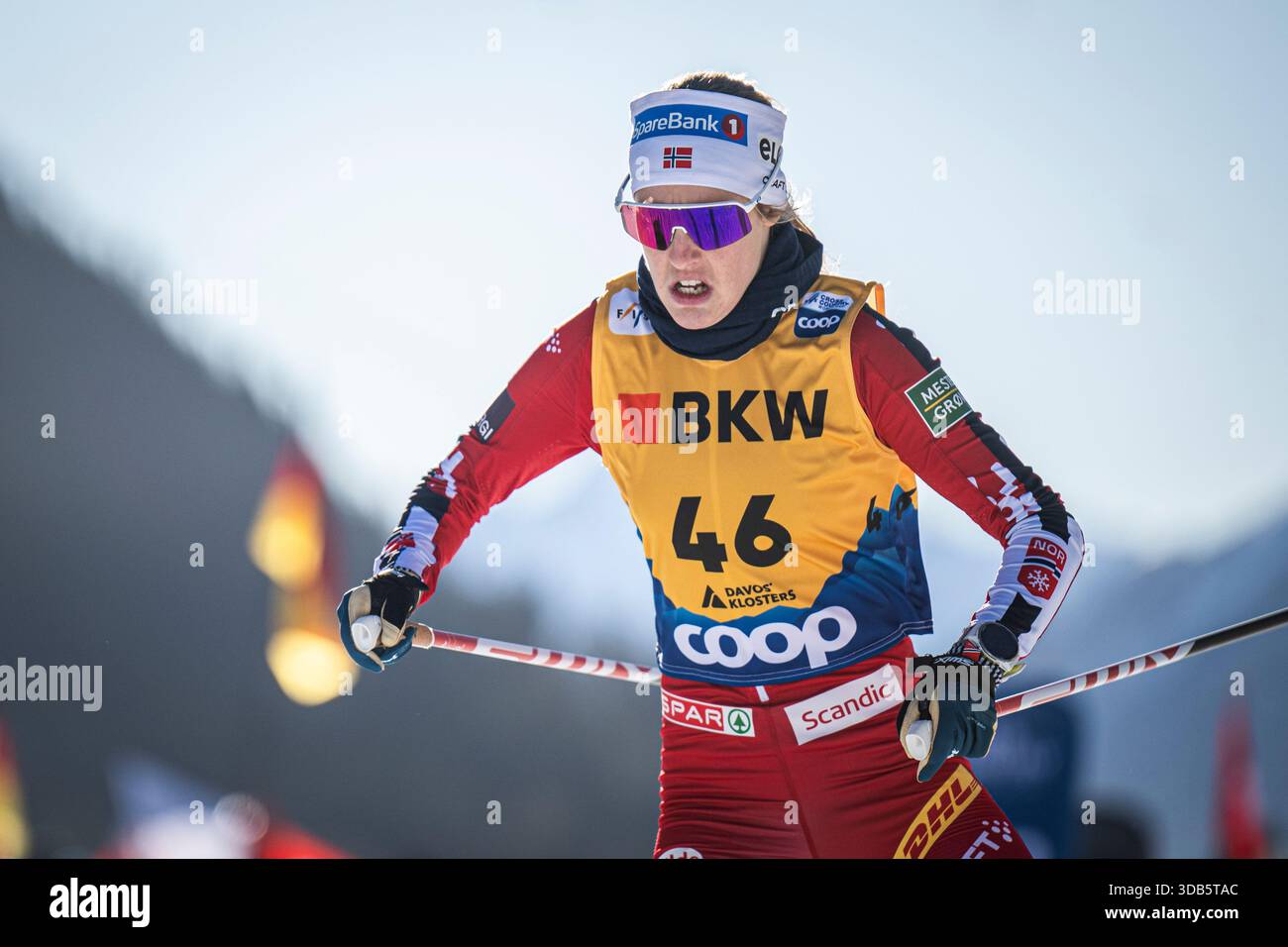
The current friction is exemplified by the cases of Karoline Simpson-Larsen and Karoline Grøtting. Both athletes have expressed a desire to bypass the national team in favor of continuing their tenure with the private outfit Team Anlegg Øst. According to reports from VG, the athletes have filed formal applications to remain with their private team while still being eligible for international competition.
The Norwegian Ski Federation has issued official national team offers to these skiers, demanding a response by a strict deadline. The stakes are exceptionally high; the Federation’s regulations stipulate that refusing a national team spot can lead to a startnekt
(start denial) in the World Cup and championships, effectively ending an athlete’s season and their hopes for Olympic or World Championship glory.
This systemic pressure has led to what some observers describe as a “drama of applications,” where the simple act of choosing a training environment becomes a legal and professional battleground. The conflict highlights a growing trend in global sports where elite athletes seek personalized, data-driven coaching and sponsorship models that the broad-brush approach of a national federation often cannot provide.
Northug Slams Federation Over ‘Threats’
The controversy has not gone unnoticed by Petter Northug, the legendary cross-country skier and current analyst. Northug has been vocal in his condemnation of the Federation’s leadership, particularly regarding the employ of “threats” to coerce athletes into joining the national squad.
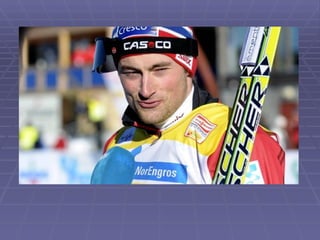
In a scathing critique of the current management, Northug suggested that the leadership’s handling of the situation is unacceptable. Speaking on the pressure exerted on athletes who wish to remain independent, Northug remarked that if he were in a leadership position and handled things this way, he would have been fired
, according to coverage by VG.
Northug’s intervention underscores a deeper cultural shift in Norwegian skiing. For decades, the national team was the undisputed pinnacle of the sport. However, the rise of private funding and specialized coaching has created a rift. Northug argues that the Federation is using its power to stifle athlete choice rather than evolving to support the diverse needs of modern professionals.
The Impact of “Start Denial” Policies
To understand why this situation is so critical, one must glance at the mechanics of the startnekt
policy. In most sports, a national team is a privilege; in Norwegian skiing, it is often a requirement for entry into the most prestigious races. By controlling the entry list for the World Cup, the Federation maintains a monopoly over the sport’s most valuable assets: the athletes’ visibility and their ability to earn rankings.
- Athlete Risk: Loss of World Cup points, loss of sponsorship revenue, and exclusion from Olympic qualification.
- Federation Goal: Maintaining a centralized system to ensure collective success and standardized training.
- Private Team Goal: Creating a bespoke environment tailored to the individual athlete’s physiological and psychological needs.
Wider Turmoil Across Winter Sports
The unrest in cross-country skiing is not an isolated incident but part of a broader pattern of instability within Norwegian winter sports. Similar tensions have surfaced in biathlon, where public dissatisfaction has been more overt. During the Milano/Cortina 2026 Olympic cycle, reports indicated a contrast between the relative silence of the cross-country camp and the public dissatisfaction
present within the biathlon squad, as noted in reporting by VG.

the “use and throw away” culture of athlete management has been criticized by other sports figures. Endre Strømsheim, a world champion in biathlon, recently took aim at the Norwegian Biathlon Federation after being dropped from the national team. Strømsheim characterized the leadership’s approach as bruk og kast
(use and throw away), alleging a total breakdown in communication between the athletes and the sporting leadership.
These collective grievances suggest a systemic failure in how Norwegian sports federations manage the transition from the “amateur-professional” era to a fully commercialized, athlete-centric model. The “rare situation” described by observers is the collision of a rigid, bureaucratic hierarchy with the demands of the 21st-century elite athlete.
Key Takeaways of the Federation Conflict
- The Core Dispute: Athletes like Karoline Simpson-Larsen and Karoline Grøtting want to stay with private teams (Team Anlegg Øst) while competing internationally.
- The Federation’s Lever: The Norges Skiforbund uses the threat of denying World Cup and championship starts to enforce national team membership.
- High-Profile Backing: Petter Northug has publicly criticized the Federation’s leadership for using coercive tactics.
- Systemic Pattern: Similar frustrations regarding leadership and “disposable” athlete treatment are appearing in biathlon.
What Happens Next?
The immediate focus remains on the formal responses to the national team offers. The Norwegian Ski Federation is expected to provide final rulings on the applications from athletes seeking private-team exemptions. These decisions will set a critical precedent: if the Federation grants exemptions, it opens the door to a new era of decentralized elite skiing in Norway. If it denies them, it may trigger a legal battle or a mass exodus of talent to other training models.
The sporting community now awaits the official decision from the Federation, which will determine whether the path to the World Cup remains a narrow corridor controlled by a single entity or becomes a broader highway accessible to all qualified athletes, regardless of their team affiliation.
World Today Journal encourages readers to share their thoughts on athlete autonomy in the comments below. Do national federations provide essential stability, or are they hindering the evolution of professional sports?