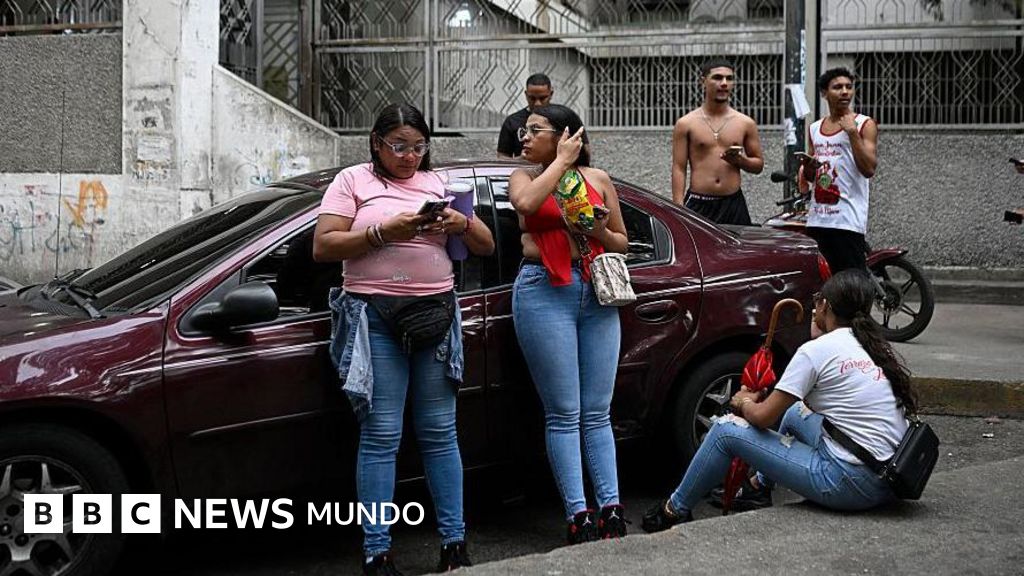
Venezuela’s geographic position at the complex intersection of two tectonic plates makes it highly susceptible to seismic activity. The country’s vulnerability is dictated by the interaction between these plates and the activity of three significant fault systems. These geological structures facilitate the accumulation and release of stress, which manifests as earthquakes and subsequent aftershocks in northern coastal regions.
The Tectonic Foundation of Venezuelan Seismicity
The seismic profile of Venezuela is shaped by the ongoing movement of tectonic plates. This interaction creates a broad zone of crustal deformation that spans the northern part of the country. This plate boundary is a series of interconnected faults that accommodate the tectonic strain. When this energy exceeds the frictional resistance of the rock, the resulting rupture causes seismic waves that propagate through the crust, impacting densely populated urban centers.

The three primary fault systems act as the main conduits for this energy. These faults are particularly critical for major metropolitan areas, including Caracas and La Guaira, as they represent the most direct source of potential crustal earthquakes in the region.
Understanding Aftershocks and Seismic Uncertainty
Following a major seismic event, the crust requires time to return to a state of equilibrium, a process that results in aftershocks. Academic research indicates that these secondary tremors are a standard physical response to the redistribution of stress along the fault plane. Researchers from the Universidad Austral de Chile have noted that aftershocks can persist for months in Venezuela.

For residents in regions like Coro or the coastal areas of La Guaira, this period of post-earthquake activity often creates significant psychological and physical stress. The uncertainty regarding when the earth will stop shifting complicates recovery efforts and infrastructure assessment. Residents in Coro live in a state of “tensa incertidumbre” (tense uncertainty) as they face the continuity of seismic aftershocks.
Infrastructure and Urban Resilience
The impact of earthquakes in Venezuela is compounded by the vulnerability of existing infrastructure. Experts have emphasized that the destruction observed in areas like La Guaira reflects the need for changes before reconstruction. The challenge for urban planners involves transitioning from reactive reconstruction to proactive seismic-resistant design.
Before any significant reconstruction, structural engineers and civil authorities must evaluate the soil composition and the proximity of new projects to known fault lines. Effectively mitigating future disaster risks requires a combination of updated building regulations, public education on emergency protocols, and the continuous monitoring of fault segments through instrumentation networks managed by national geological agencies.
Monitoring and Public Safety
The management of seismic risk in Venezuela relies on the continuous collection of data. Residents are encouraged to consult official channels for real-time updates regarding seismic events and safety advisories. During the aftermath of a quake, authorities typically advise citizens to avoid damaged structures, as the risk of collapse remains elevated during the active period of aftershocks.
As of the most recent geological bulletins, the monitoring networks continue to track micro-seismic activity along the northern fault systems. The next scheduled review of seismic hazard maps by regional geological bodies will be critical for updating urban development policies. For the latest official reports and safety guidelines, the public can monitor the official portals maintained by the national seismic monitoring services. We welcome your thoughts on how regional infrastructure can better adapt to these geological realities—please feel free to share your perspectives in the comments section below.