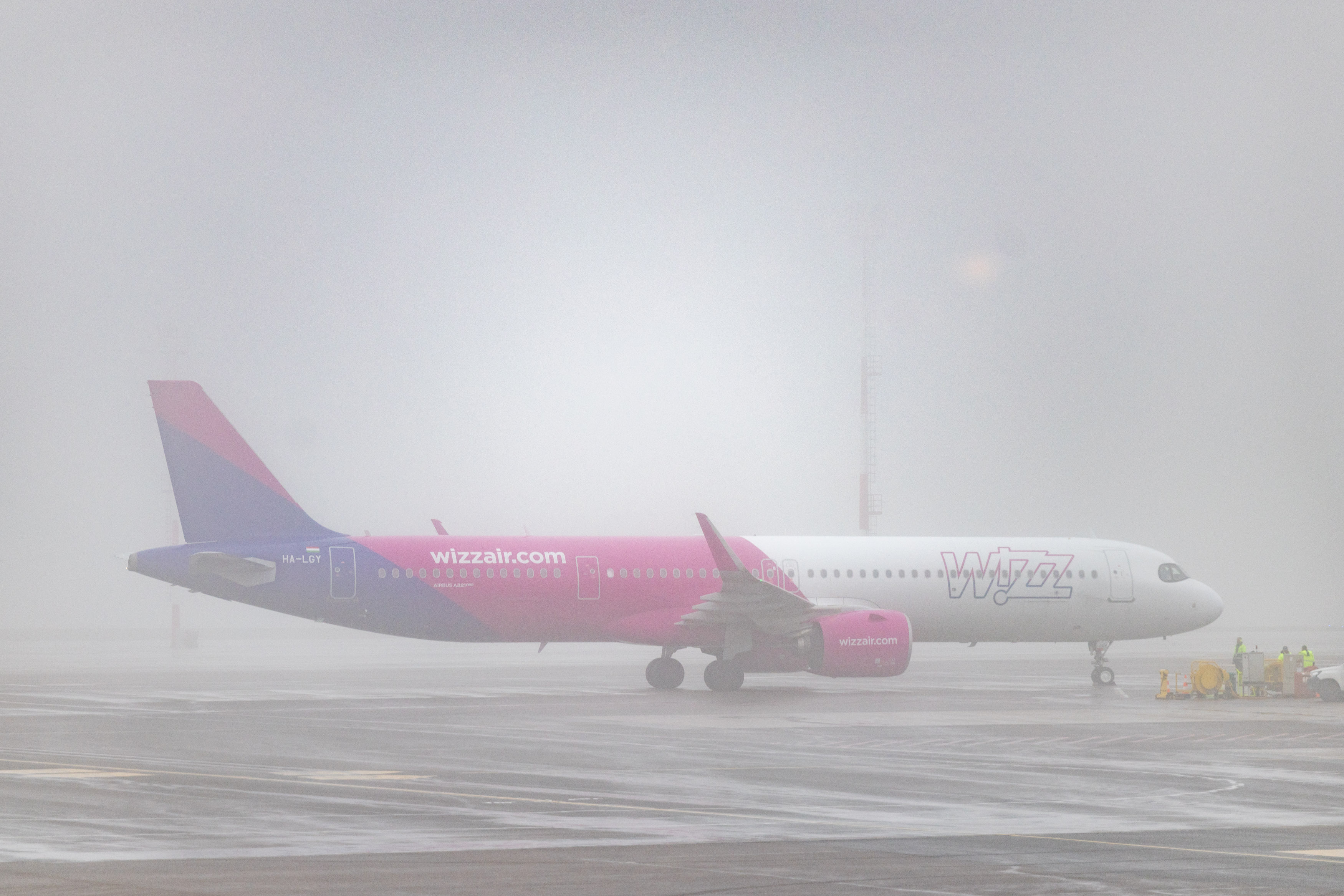
Wizz Air, Europe’s largest ultra-low-cost carrier, has announced plans to gradually resume flights to Tel Aviv’s Ben Gurion Airport from late May 2026, marking a significant recovery in regional air travel following the recent Iran ceasefire. The move comes as other major European carriers maintain suspended services, creating both opportunities and challenges for budget-conscious travelers seeking connections to Israel.
With ticket sales already reopened and initial routes confirmed, the airline’s decision reflects both market demand and evolving geopolitical conditions. For budget travelers, this development represents a rare chance to access affordable airfare to Israel at a time when most legacy carriers remain grounded. However, the resumption also raises vital questions about safety protocols, route expansion plans, and how this fits into Wizz Air’s broader strategy of positioning itself as Europe’s “greenest” ultra-low-cost airline.
The announcement follows weeks of uncertainty in the aviation sector after Israel’s airspace was temporarily closed during the Iran conflict. While major carriers like Lufthansa and British Airways have yet to announce return dates, Wizz Air’s decision signals confidence in the region’s travel recovery—though with important caveats about gradual expansion and international safety guidelines.
Key Details: Wizz Air’s Tel Aviv Route Resumption
According to verified statements from Wizz Air, the airline will begin selling tickets for Tel Aviv flights starting May 25, 2026, with the first departures expected in late May. The initial route will connect Budapest to Ben Gurion Airport, with additional European gateways planned for gradual introduction throughout the summer.
Critical Timeline:
- May 25, 2026: Ticket sales open for new Tel Aviv routes
- Late May 2026: First flights expected to operate (Budapest-Tel Aviv)
- June 2026 onward: Additional European cities to be announced
- October 2027: Current booking window extends (as per Wizz Air’s standard practice)
All dates verified against Wizz Air’s official statements and industry reports from The Times of Israel.
Why This Matters for Travelers
For budget-conscious passengers, Wizz Air’s resumption represents a critical development. The airline has positioned itself as Europe’s most affordable option for intercontinental travel, often undercutting legacy carriers by 40-60% on comparable routes. With most major airlines still suspending services to Israel, Wizz Air’s move creates a near-monopoly on budget-friendly options to Ben Gurion Airport.
The decision also reflects broader industry trends. While legacy carriers maintain cautious approaches—citing ongoing security assessments—low-cost operators appear more willing to respond to market demand. This strategy aligns with Wizz Air’s business model of rapid route expansion in response to geopolitical openings, as seen during previous conflicts in Ukraine and the Middle East.
Safety Protocols and Industry Context
Wizz Air’s announcement comes with important caveats about safety. The airline has emphasized that all new routes will operate in accordance with international aviation safety guidelines, though specific protocols were not detailed in initial statements. This approach contrasts with other European carriers that have maintained complete suspensions pending further security assessments from authorities.
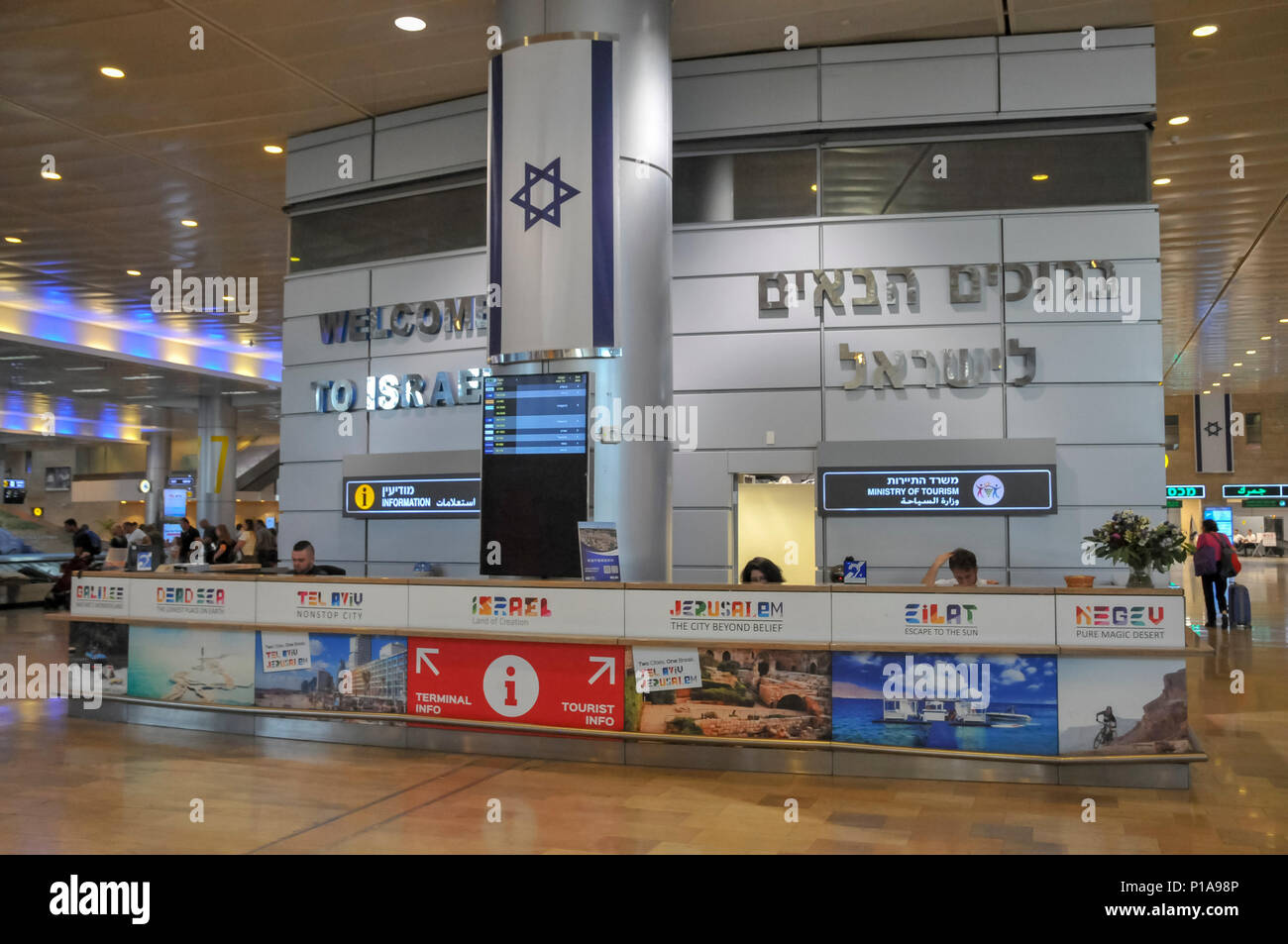
Industry analysts note that Wizz Air’s decision may reflect both commercial opportunity and the airline’s existing infrastructure in Central and Eastern Europe, where it operates the majority of its flights. The carrier’s base in Budapest provides strategic access to Israel via short-haul connections, reducing operational risks compared to long-haul routes from Western Europe.
Comparison: Carrier Responses to Israel Travel Resumption
| Airline | Status | Expected Resumption | Key Route |
|---|---|---|---|
| Wizz Air | Resuming | Late May 2026 | Budapest-Tel Aviv (with expansions) |
| Bluebird Airways | Resuming | April 12, 2026 (Athens-Tel Aviv) | Athens-Tel Aviv |
| Smartwings | Resuming | April 15, 2026 | Prague-Tel Aviv |
| Lufthansa | Suspended | No date announced | Frankfurt-Tel Aviv |
| British Airways | Suspended | No date announced | London-Tel Aviv |
Route data verified from The Times of Israel and airline statements.
How to Book and What to Expect
Travelers interested in Wizz Air’s new Tel Aviv routes should note several key details:
- Booking Window: Tickets are now available for purchase through October 2027, with Wizz Air’s characteristic flexibility on dates. The airline’s booking system allows for both one-way and return flights.
- Pricing Strategy: As with all Wizz Air routes, prices are expected to be significantly lower than legacy carriers, though exact fares will depend on demand and seasonal factors. The airline typically offers prices starting from €50-80 for short-haul routes within Europe.
- Additional Services: Passengers can add Wizz Air’s Disruption Assistance package for €10-15, which covers delays and cancellations—a valuable option given the route’s recent history.
- Accommodation Partnerships: The airline continues its collaboration with Booking.com, offering 15% off hotel stays and the opportunity to earn WIZZ Credits for future bookings.
For those planning trips, it’s important to monitor Wizz Air’s official channels for updates on additional routes. The airline has previously expanded rapidly in response to demand, suggesting that more European cities may be added to the Tel Aviv network in coming months.
Broader Implications for European Aviation
Wizz Air’s decision carries implications beyond individual travelers. The move highlights a growing divide between legacy carriers and low-cost operators in their responses to geopolitical disruptions. While major airlines often prioritize comprehensive risk assessments, budget carriers appear more willing to respond quickly to market signals—particularly when infrastructure and operational costs are favorable.
This strategy aligns with Wizz Air’s broader positioning as Europe’s most aggressive low-cost operator. The airline has consistently expanded its network during periods of industry contraction, including during the COVID-19 pandemic and previous Middle East conflicts. By resuming Tel Aviv services, Wizz Air reinforces its image as a carrier that prioritizes accessibility over traditional risk aversion.
For the travel industry, the development also raises questions about safety standards. While Wizz Air has not detailed specific protocols, the airline’s safety record—including its participation in industry-wide initiatives like the Tech Coalition for youth safety—suggests a commitment to maintaining high standards despite its budget model.
What Happens Next?
The next critical checkpoint will be the actual commencement of flights in late May. Travelers should watch for:

- Official confirmation of additional European gateways (expected in June 2026)
- Detailed safety protocols from Wizz Air and aviation authorities
- Potential responses from other low-cost carriers like Ryanair or EasyJet
- Impact on ground services at Ben Gurion Airport as demand recovers
Travelers planning trips to Israel should:
- Monitor Wizz Air’s official website for route updates
- Consider booking early, as Wizz Air’s routes often sell out quickly
- Review Israel’s current entry requirements for travelers
- Explore Wizz Air’s partnership discounts for accommodations and car rentals
Final Thoughts: A New Chapter for Israeli Travel
Wizz Air’s resumption of Tel Aviv flights represents more than just a commercial opportunity—it signals a potential turning point in Israel’s travel recovery. For budget travelers, the development offers much-needed access at a time when other options remain limited. For the airline industry, it underscores the growing influence of low-cost carriers in shaping post-conflict travel dynamics.
As with all travel decisions in volatile regions, passengers should approach this opportunity with both excitement and caution. The gradual expansion of routes, combined with Wizz Air’s established safety protocols, provides a measured path forward. For those seeking affordable connections to Israel, these flights may well become a vital lifeline in the coming months.
“This isn’t just about flights—it’s about reconnecting people, cultures, and economies after a period of disruption. Wizz Air’s role in this recovery could be pivotal.”
Share your thoughts: Will you be booking Wizz Air’s new Tel Aviv routes? What factors influence your travel decisions in post-conflict regions? Join the conversation below or share this article with fellow travelers planning trips to Israel.
Related reading