
As the international football community turns its collective gaze toward the upcoming 2026 FIFA World Cup, tactical preparation has become the primary focus for national team managers. In a recent exhibition match that highlighted both the depth of the Japanese squad and the growing influence of the Dutch Eredivisie on the global stage, Japan secured a narrow victory over Iceland. This result serves as a vital data point for observers tracking the progress of potential tournament contenders in the lead-up to the quadrennial spectacle.
The match, characterized by a disciplined defensive display from the visitors and a persistent, albeit methodical, offensive approach from the Samurai Blue, was ultimately decided by the intervention of a familiar face to fans of Dutch football. For those following the trajectory of the Japanese national team, this encounter provided a glimpse into their current tactical flexibility and their reliance on talent currently plying their trade across European leagues.
Koki Ogawa’s Impact in the Final Third
The decisive moment of the fixture arrived courtesy of Koki Ogawa, the NEC Nijmegen forward who has been making significant strides in the Eredivisie. Coming off the bench, Ogawa demonstrated the clinical finishing that has become his hallmark in the Netherlands, breaking the deadlock and ensuring Japan walked away with a win. His integration into the national setup highlights a broader trend of Japanese players flourishing within the Dutch football system, a pipeline that has consistently produced technically proficient and tactically aware athletes.
For Japan, the victory was less about a dominant scoreline and more about securing a result while experimenting with personnel. With the 2026 World Cup qualification cycles intensifying, head coaches are utilizing these windows to refine their starting elevens and test depth players against diverse styles of play. Iceland, known for their physical and organized defensive structure, provided exactly the kind of test that Japan’s technical midfield required to sharpen their transition play.
Tactical Evolution and World Cup Preparations
Japan’s approach under their current technical leadership has increasingly emphasized ball retention and high-pressing sequences. This strategy is designed to neutralize opponents who rely on counter-attacking football, a common challenge in international tournaments. By facing teams like Iceland, which prioritize structural integrity, Japan is effectively simulating the defensive blocks they are likely to encounter during the group stages of the 2026 tournament. According to the official FIFA 2026 tournament roadmap, the expansion of the competition to 48 teams necessitates a higher level of tactical versatility, as teams will face a wider variety of playing styles than in previous editions.
The reliance on players like Ogawa—who are accustomed to the high-tempo, attacking nature of the Eredivisie—provides Japan with a distinct advantage. It allows the team to shift gears quickly, moving from a patient build-up to a direct, vertical attack when space opens up. This adaptability is critical for any team hoping to navigate the grueling schedule of a modern World Cup.
The Eredivisie: A Global Talent Incubator
The presence of Ogawa in the national squad is not an anomaly but a reflection of the strong scouting and development relationship between Japanese football and the Dutch league. Eredivisie clubs have long been recognized for their ability to integrate international talent, providing a platform where young players can develop the tactical maturity required for the highest levels of professional football. This “Eredivisie-tinted” influence is increasingly visible in international results, as players bring their experiences from Dutch pitches to the global stage.
As we look toward the next international break, the focus for Japan will shift toward maintaining this momentum. The challenge remains to balance the integration of new talent with the established core that has brought the team success in recent years. With the official 2026 qualifying standings and match schedules managed by the respective confederations, teams are under constant pressure to optimize their performance in every available window, as noted by the Asian Football Confederation (AFC) competition guidelines.
Looking Toward the 2026 Horizon
While a friendly victory against Iceland may seem modest in the grand scheme of the World Cup, it represents a crucial building block. For the Japanese coaching staff, the data gathered from this match—player fitness, tactical execution and individual performance under pressure—will be invaluable when finalizing the roster for upcoming competitive qualifiers. The ability to grind out a win against a resilient, organized opponent is a trait that defines successful tournament teams.
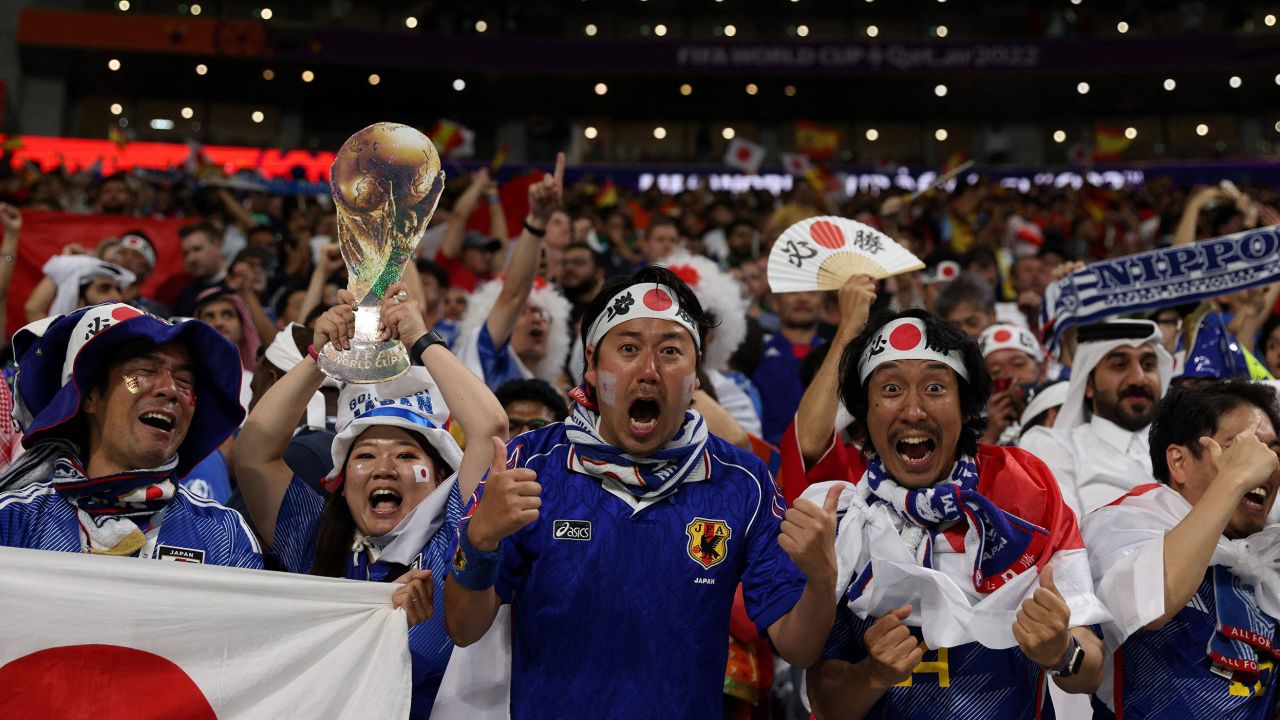
The road to 2026 is long and filled with variables, from player injuries to shifting tactical trends. However, performances like this suggest that Japan is on the right path. As the global football community continues to monitor these developments, the integration of players like Koki Ogawa into the national team structure will remain a point of interest for analysts and fans alike.
We will continue to provide updates as the qualification path to the 2026 FIFA World Cup progresses. Stay tuned for our upcoming deep-dive analysis on the tactical shifts within the Asian confederation and how European-based talent is shaping the future of international football. What are your thoughts on Japan’s current tactical direction? Share your insights in the comments section below and join the global conversation.
Worth a look