
Xbox Introduces Flexible Pricing to Make Gaming More Accessible
Microsoft’s Xbox division is rolling out a more flexible pricing strategy for its hardware, software and subscription services, aiming to make gaming more accessible to a broader audience. The changes, which include adjustments to the Xbox Game Pass subscription tiers and console pricing, reflect a shift in how the company balances profitability with inclusivity in the competitive gaming market.
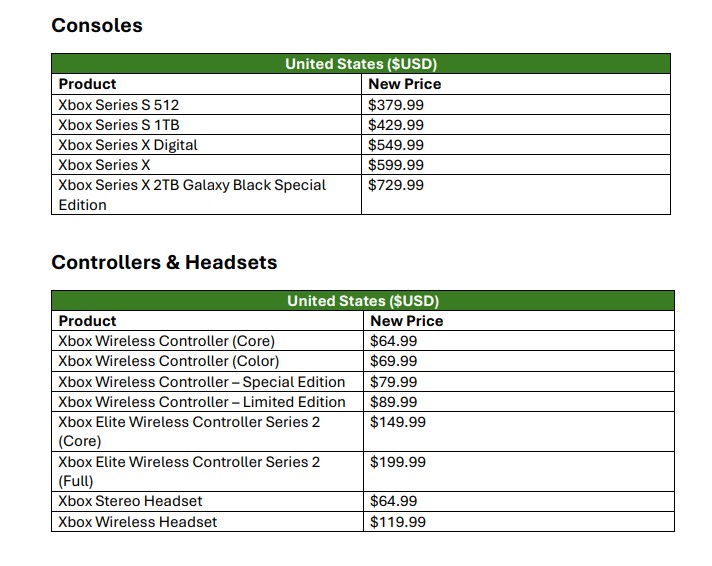
While Microsoft has not yet released an official statement detailing all the updates, industry analysts and recent pricing announcements suggest the company is responding to market pressures and consumer demand for more affordable gaming options. The move comes as gaming continues to grow as a mainstream entertainment medium, with an estimated 3.3 billion gamers worldwide as of 2026, according to Newzoo’s Global Games Market Report.
For years, Xbox has positioned itself as a leader in value-driven gaming, particularly through its Game Pass subscription service, which offers access to a vast library of games for a monthly fee. However, recent adjustments to pricing and content strategy indicate a recalibration of that approach. Analysts suggest the changes are a response to data showing that while Game Pass attracts subscribers, it hasn’t always translated into sustained growth or increased console sales.
Game Pass Pricing Gets a Revamp
One of the most significant changes involves the Xbox Game Pass, Microsoft’s flagship subscription service. The service, which launched in 2017, has been a cornerstone of Xbox’s strategy to compete with Sony’s PlayStation and Nintendo’s hybrid console model. Game Pass offers three primary tiers: Essential, Premium, and Ultimate, each catering to different gaming preferences and budgets.
According to Xbox’s official comparison page, the tiers are structured as follows:
- Xbox Game Pass Essential: Access to over 100 high-quality games on console, including new Xbox Game Studios titles on the day of release. No cloud gaming or EA Play access.
- Xbox Game Pass Premium: All the benefits of Essential, plus access to a catalog of over 100 high-quality games on PC, cloud gaming, and EA Play.
- Xbox Game Pass Ultimate: The most comprehensive tier, combining console, PC, and cloud gaming, along with EA Play, online multiplayer, and exclusive member discounts.
While Microsoft has not yet announced specific price changes for these tiers, industry analysts expect adjustments to be announced in the coming weeks. The last major pricing update for Game Pass occurred in May 2025, when the company raised the price of Game Pass Ultimate from $14.99 to $16.99 per month in the U.S. At the time, Microsoft framed the increase as necessary to sustain the service’s growth and content offerings.
However, recent developments suggest the company may be reconsidering its approach to pricing and content exclusivity. In April 2026, Microsoft announced that Call of Duty, one of the gaming industry’s most lucrative franchises, would no longer be available on Game Pass on its day of release. This decision marked a significant shift from the company’s previous strategy of offering major titles like Call of Duty as day-one additions to the subscription service.
Analysts Weigh In on the Shift
The decision to remove Call of Duty from Game Pass’s day-one offerings has sparked debate among industry analysts. According to a recent analysis by XboxDynasty, analysts from Circana and Ampere Analysis view the move as a logical, if overdue, response to market realities.
Mat Piscatella, an analyst at Circana, noted that Microsoft’s experiment with including Call of Duty in Game Pass did not yield the expected results. “The data showed that it neither drove significant new console sales nor a meaningful increase in subscriptions,” Piscatella said. He added that the decision to adjust the strategy was “not surprising” and may have been necessary to protect revenue streams from traditional game sales.
Piers Harding-Rolls, an analyst at Ampere Analysis, echoed this sentiment, stating that the initial expectation—that premium titles like Call of Duty would massively boost Game Pass subscriptions—did not hold up economically. While the inclusion of such titles did attract new subscribers in the short term, the effects were not sustainable. Harding-Rolls also pointed out that Microsoft may have lost substantial revenue from traditional premium sales by making Call of Duty available on Game Pass at launch.
However, Piscatella disputed the notion that the financial impact was as severe as some had suggested. “There’s no clear evidence that Game Pass availability significantly affected sales on other platforms like PlayStation,” he said. The consensus among analysts is that Microsoft’s new pricing structure for Game Pass Ultimate is a step toward finding a balance between accessibility and profitability.
Console Pricing and Hardware Accessibility
In addition to subscription adjustments, Microsoft is also revisiting its console pricing strategy. In September 2025, the company announced updates to the pricing of its Xbox Series X and Series S consoles in the U.S. And other markets. While the exact details of the new pricing structure have not been made public, the move is widely seen as an effort to make Xbox hardware more competitive with PlayStation and Nintendo’s offerings.
The Xbox Series X, which launched in November 2020 at $499, has seen its price fluctuate in response to market conditions and supply chain challenges. The Series S, a more affordable digital-only console, launched at $299 and has remained a popular entry point for budget-conscious gamers. Industry observers expect Microsoft to introduce more flexible pricing options, such as installment plans or trade-in programs, to make consoles more accessible to a wider range of consumers.
Microsoft’s focus on accessibility aligns with broader industry trends. Gaming has develop into increasingly mainstream, with a diverse audience that includes casual players, competitive esports enthusiasts, and older gamers. According to a 2025 report by the Entertainment Software Association (ESA), 45% of gamers in the U.S. Are over the age of 35, and 48% are women. These demographics highlight the necessitate for more inclusive pricing and content strategies.
What This Means for Gamers
For gamers, Microsoft’s flexible pricing strategy could have several implications. On one hand, adjustments to Game Pass pricing and content offerings may lead to more affordable access to a wide range of games. The removal of day-one releases like Call of Duty could disappoint subscribers who have reach to expect premium titles as part of their subscription.
However, the changes also present opportunities. For example, Microsoft’s focus on hardware accessibility could make it easier for new gamers to enter the ecosystem. Installment plans, trade-in programs, and lower entry-level pricing could reduce the financial barrier to owning an Xbox console.
the shift in Game Pass strategy may lead to a more curated and sustainable library of games. By focusing on titles that drive long-term engagement rather than short-term subscriber spikes, Microsoft could improve the overall quality and value of the service.
Looking Ahead: What’s Next for Xbox?
As Microsoft continues to refine its pricing and content strategies, gamers and industry observers will be watching closely to see how the changes impact the gaming landscape. The next major checkpoint for Xbox will likely be its annual showcase event, typically held in June, where the company often unveils new hardware, games, and service updates.
For now, gamers can stay informed by visiting Xbox’s official website and following updates on its X (formerly Twitter) account. As the company navigates the balance between accessibility and profitability, one thing is clear: the gaming industry is evolving, and Xbox is adapting to meet the needs of its diverse audience.
What do you think about Xbox’s new pricing strategy? Will it make gaming more accessible, or do you think it falls short? Share your thoughts in the comments below and join the conversation on social media.