
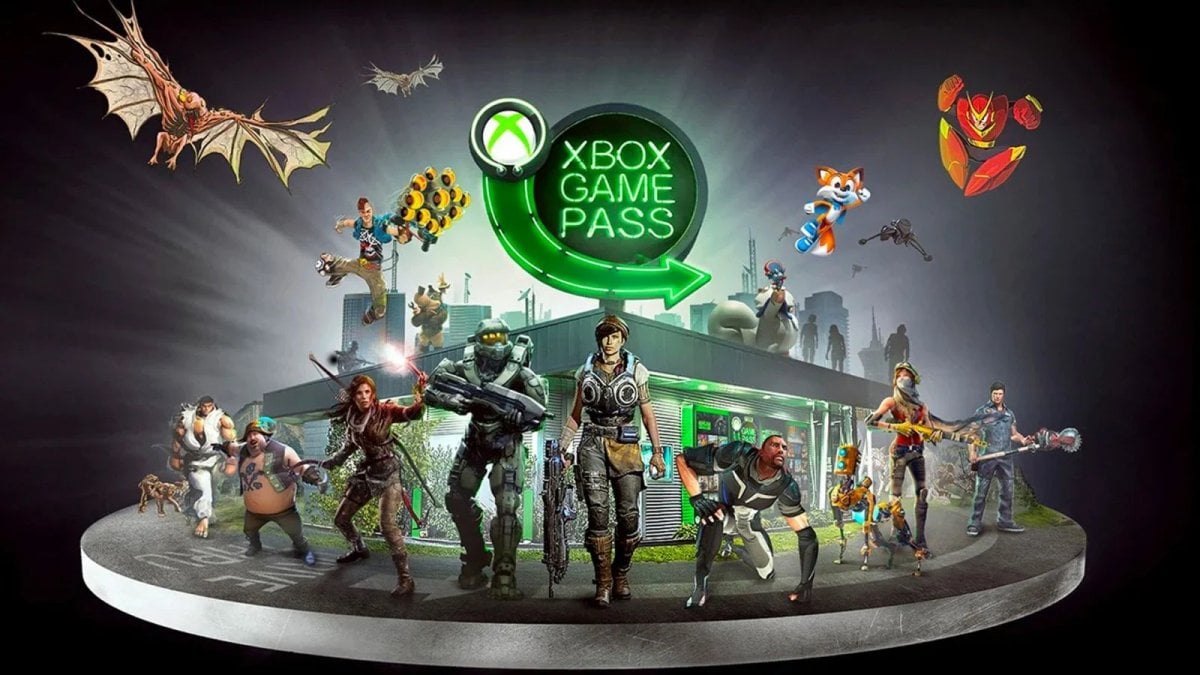
The gaming landscape is undergoing a period of intense recalibration, particularly as Microsoft continues to refine its subscription-based strategy for the Xbox ecosystem. Recent adjustments to the pricing and structure of the Xbox Game Pass have been met with cautious optimism by industry analysts, signaling a potential shift in how the company balances subscriber growth with long-term profitability. However, for leadership figures within the gaming division, these adjustments are viewed not as a final destination, but as the opening phase of a much broader, and perhaps more difficult, strategic evolution.
As we navigate these changes, It’s essential to look at the broader context of the Xbox Game Pass pricing strategy and how it impacts the global gaming market. The transition toward service-based revenue models is rarely seamless, and Microsoft’s recent maneuvers suggest a deliberate effort to optimize the value proposition for both the consumer and the company’s bottom line. For those of us watching the industry from San Francisco, the narrative is clear: the era of aggressive, loss-leading growth is giving way to a more disciplined focus on sustainable engagement.
The Strategic Shift in Subscription Management
The conversation surrounding Xbox’s future often centers on the tension between hardware sales and digital services. According to recent Microsoft fiscal reports, the company has been heavily focused on expanding the reach of its gaming services across multiple platforms, including PC and mobile, rather than relying solely on console penetration. This pivot is critical, as it allows the brand to decouple its success from the cyclical nature of hardware manufacturing.

Asha Sharma, a key executive voice within the organizational structure, has recently highlighted that the path forward will require navigating complex trade-offs. While the initial data following recent subscription adjustments suggests a positive uptake, the underlying reality is that the gaming industry is facing significant headwinds, including rising development costs and a saturated market for premium titles. The necessity of making “difficult decisions” reflects a broader trend among major tech firms: the move from a “growth at any cost” mentality to one defined by operational efficiency and clear, measurable returns on investment.
Why the Current Model Matters for Consumers
For the average player, the nuance of corporate strategy might seem secondary to the quality of the game library, yet the two are intrinsically linked. The sustainability of the Xbox Game Pass depends on a delicate equilibrium. If the service becomes too expensive, it risks alienating the core user base; if it remains too cheap, it becomes difficult to justify the massive investment required to secure day-one releases from major studios. This is the central challenge that Microsoft’s leadership team is currently addressing.
We are seeing a transition where the value is no longer just about the sheer volume of games, but about the integration of these services into the wider digital life of the user. By leveraging cloud gaming technology and cross-platform synergy, the company is attempting to make the Xbox ecosystem indispensable. However, as noted in industry analysis reports, this strategy requires constant iteration. The current pricing adjustments are likely just one component of a series of changes designed to test user sensitivity and market elasticity.
Key Takeaways for the Gaming Community
- Subscription Evolution: Microsoft is prioritizing service-based revenue to stabilize its long-term financial outlook in a volatile market.
- Strategic Discipline: The focus has shifted from rapid subscriber acquisition to maintaining a high-value, sustainable ecosystem.
- The “Difficult Decisions” Factor: Leadership has signaled that further structural changes may be necessary to ensure the service remains viable as development costs continue to climb.
- Cross-Platform Expansion: The future of the Xbox brand is increasingly tied to its availability on PC and cloud devices, moving beyond the console-centric model.
Looking Ahead: The Next Phase of Xbox Development
What happens next for the Xbox platform will likely be determined by how well the company can balance its internal financial targets with the expectations of its global user base. We should expect to see further updates regarding the integration of major franchises into the subscription service and, potentially, more nuanced tiering options. The industry will be watching closely to see if these “difficult decisions” translate into a more robust and diverse library of content, or if they lead to further fragmentation of the service.

As we monitor these developments, Microsoft has consistently used its official news portal to communicate changes to its service tiers. Players and investors alike should look for future announcements regarding service updates, as these will provide the clearest indication of the company’s long-term trajectory. The current period of adjustment is a reminder that even the largest players in the tech space are not immune to the realities of market pressure and the need for fiscal discipline.
We invite our readers to share their thoughts on these changes. Do you feel the current value proposition of your gaming subscription matches the cost, or are you looking for a different approach from the industry giants? Join the conversation in the comments section below, and stay tuned to our Tech section for ongoing analysis as this story continues to develop.