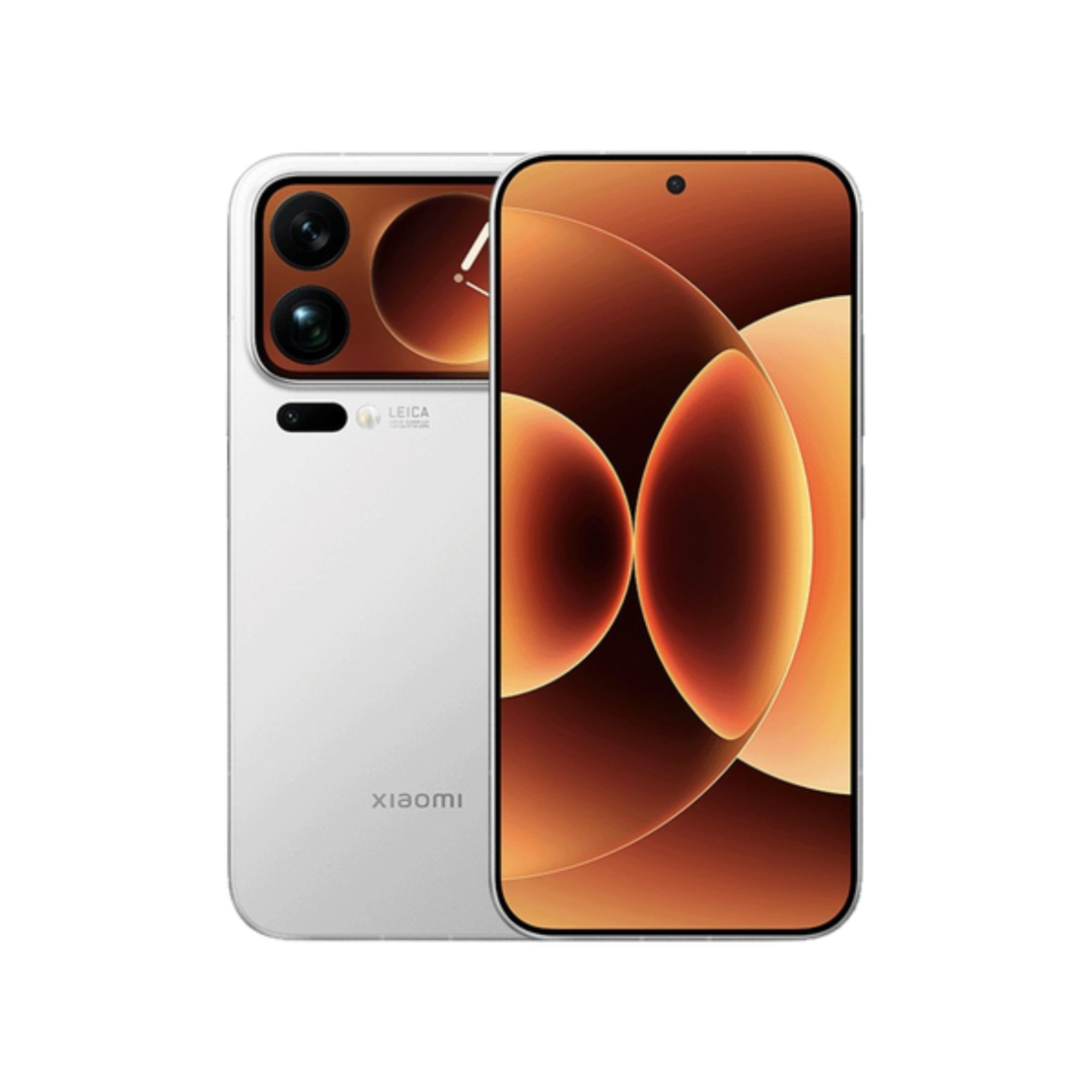
The boundaries between professional mirrorless cameras and mobile devices continue to blur as the 2026 flagship cycle reaches its peak. With the release of the Xiaomi 17 series, the manufacturer has doubled down on its ambition to capture the high-end photography market, positioning the Ultra model not just as a smartphone, but as a legitimate tool for visual storytellers.
For tech enthusiasts and professional photographers, the Xiaomi 17 represents a significant leap in optical engineering. Even as the standard model offers a polished flagship experience, This proves the Xiaomi 17 Ultra that is drawing the most attention, specifically for its aggressive approach to zoom capabilities and sensor integration. The device arrives at a time when the industry is shifting from simple megapixel counts to more sophisticated lens systems that prioritize light intake and focal versatility.
As a journalist with a background in software engineering, I have watched Xiaomi evolve from a value-driven brand into a luxury hardware contender. The Xiaomi 17 Ultra is the culmination of this transition, blending top-tier performance with a camera array that challenges the current market leaders. Yet, as with any high-performance machine, the hardware brilliance is occasionally tempered by the complexities of its software ecosystem.
The Optical Powerhouse: Breaking Down the Camera Array
The centerpiece of the Xiaomi 17 Ultra is undoubtedly its camera system. According to rigorous testing by DXOMARK, the device delivers an excellent performance, marking a significant upgrade over its predecessor, the 15 Ultra. The hardware configuration is designed to cover every possible shooting scenario, from expansive landscapes to extreme long-distance subjects.

The primary sensor is a 50 MP wide lens with an f/1.7 aperture and a 23mm focal length. Utilizing 1.6µm pixels, dual pixel PDAF, and Optical Image Stabilization (OIS), this sensor provides the foundation for the phone’s high-dynamic-range imagery. Complementing this is a 50 MP ultra-wide lens (f/2.2, 14mm) with 0.64µm pixels, ensuring that wide-angle shots maintain clarity across the frame.
The true differentiator, however, is the telephoto system. The Xiaomi 17 Ultra features a massive 200 MP telephoto lens with a variable aperture ranging from f/2.4 to f/3.0. Covering a focal range of 75-100mm, it provides 3.2x to 4.3x optical zoom. This specific configuration is aimed squarely at “zoom lovers,” allowing for high-resolution crops and detailed shots that were previously the sole domain of dedicated cameras.
In comparative benchmarks, the Xiaomi 17 Ultra holds its own against the most formidable devices in the industry. While DXOMARK notes it is getting close to the remarkably best flagship devices on the market, it does not quite match some specialized leaders; for instance, the Huawei Pura 80 Ultra currently leads in certain photo main categories, and the Apple iPhone 17 Pro remains a benchmark for video main performance.
Hardware Performance and Daily Utility
Beyond the lenses, the Xiaomi 17 Ultra is engineered as a comprehensive flagship. Reviews from Android Authority highlight that the device is a superb all-around performer, combining a gorgeous display with top-tier processing power. For users who rely on their devices for full workdays, the battery life is a standout feature, with reports indicating a “two-day battery life” under typical usage patterns.
Charging efficiency is another area where Xiaomi maintains a competitive edge. The device supports super-speedy universal charging, reducing downtime for power users and photographers who may be draining their batteries through intensive 200 MP captures and 4K video recording.
For those who prefer a more compact form factor, the “regular” Xiaomi 17 provides a more streamlined experience. Early hands-on impressions of the standard model have highlighted the “Venture Green” colorway, offering a sophisticated aesthetic for those who do not require the massive camera housing of the Ultra variant.
The Software Paradox: HyperOS and AI
Despite the hardware triumphs, the user experience is heavily influenced by HyperOS. For many global users, the software remains a point of contention. While functional, HyperOS is often described as “quirky,” with critics pointing toward excessive bloatware that can clutter the interface of an otherwise premium device.
the integration of AI features has met with a mixed reception. While AI is intended to enhance photo editing and system efficiency, some reviewers have characterized these features as “questionable,” suggesting that the software implementation hasn’t yet caught up to the brilliance of the hardware.
Xiaomi 17 Ultra: Key Specifications and Market Position
| Component | Specification | Key Detail |
|---|---|---|
| Primary Camera | 50 MP, f/1.7, 23mm | 1.6µm, OIS, Dual Pixel PDAF |
| Ultra-Wide Camera | 50 MP, f/2.2, 14mm | 0.64µm pixels |
| Telephoto Camera | 200 MP, f/2.4-3.0 | 3.2x-4.3x Optical Zoom |
| MSRP | €1,499.00 | Premium Positioning |
| Battery Life | Up to 2 Days | Super-fast universal charging |
Value Proposition and Final Verdict
At an MSRP of €1,499.00, the Xiaomi 17 Ultra is an expensive investment. It is not a device for the average consumer, but rather a specialized tool for photographers and videographers who want to minimize the gear they carry. The ability to move from a 14mm wide shot to a 100mm telephoto shot with 200 MP resolution is a compelling argument for those looking to replace or supplement a mirrorless camera.
The trade-off for this power is the software experience. Users must be willing to navigate the idiosyncrasies of HyperOS to access the industry-leading hardware. However, for those who prioritize image quality above all else, the Xiaomi 17 Ultra stands above most of its rivals in raw output, and versatility.
As the device makes its way through global markets, including availability in regions like Ecuador, it will be interesting to see how Xiaomi addresses the software bloat in future updates. For now, it remains one of the most ambitious smartphones of 2026.
The next major milestone for the series will be the rollout of subsequent HyperOS stability patches, which are expected to refine the AI features and reduce system bloat. We will continue to monitor official Xiaomi firmware releases for updates on these improvements.
Do you suppose a 200 MP telephoto lens is enough to make you ditch your dedicated camera? Share your thoughts in the comments below.
Related reading