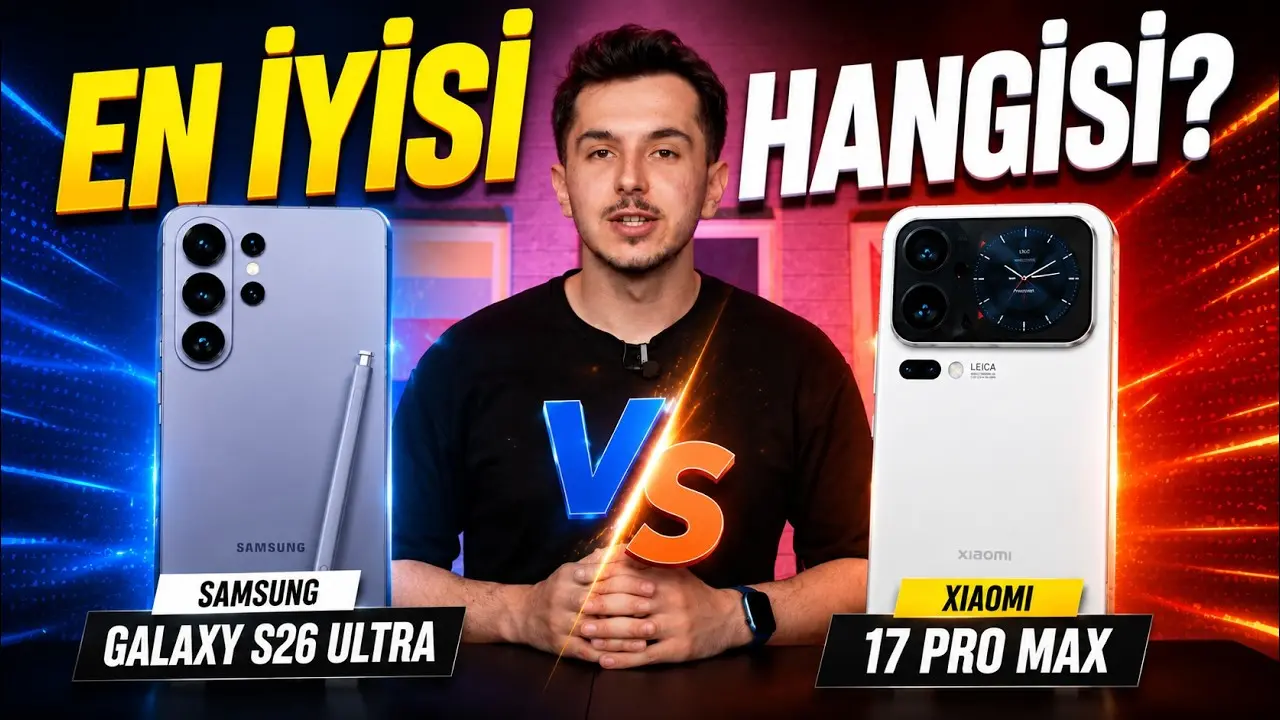
As the smartphone market moves toward the next generation of flagship devices, the question of who truly holds the title of “Android King” has become more complex than ever. For users navigating the high-end mobile landscape, the rivalry between industry titans like Samsung and Xiaomi is no longer just about hardware specifications; This proves about the integration of artificial intelligence, software longevity, and the evolving ecosystem of consumer electronics. As we look ahead, the industry is bracing for a shift in how these companies approach performance and user experience.
The anticipation surrounding upcoming releases, including the rumored Galaxy S26 Ultra and the latest iterations from the Xiaomi 17 series, highlights a critical juncture for mobile technology. While leaks and speculative reports often dominate the news cycle, it is essential to distinguish between verified industry roadmaps and the noise of the rumor mill. For those of us in the tech sector, this competition represents the pinnacle of mobile engineering, where advancements in silicon, camera sensors, and battery density are pushed to their absolute limits.
With a background in computer science and nearly a decade spent analyzing industry trends, I have seen how these flagship battles shape the broader market. When we compare these devices, we aren’t just looking at clock speeds or megapixel counts; we are examining how these manufacturers address global demand for more powerful, efficient, and intelligent portable computers. The following analysis explores the current state of this rivalry and what consumers should actually prioritize before their next upgrade.
The Evolution of Flagship Hardware: Beyond Spec Sheets
Modern flagship smartphones are defined by their ability to handle complex computational tasks, particularly with the rise of on-device artificial intelligence. Samsung’s Galaxy S series has long been the standard-bearer for Android, often setting the pace for display technology and software support. According to official documentation from Samsung, the company has committed to extended software and security update cycles, a move that has forced competitors to follow suit to remain relevant in the premium segment.

Xiaomi, conversely, has carved out a massive market share by offering aggressive hardware configurations at competitive price points. The recent rollout of the Xiaomi 17T and 17T Pro underscores this strategy, focusing on rapid charging capabilities and high-refresh-rate displays. While these devices often target a different demographic than the ultra-premium “Ultra” line, they provide a clear look at where the industry is heading in terms of hardware democratization. The balance between price and performance remains the most significant differentiator for global consumers.
Performance, AI, and the Future of Android
The “Android King” title is increasingly being fought on the battlefield of software optimization. The integration of AI features—such as real-time language translation, advanced computational photography, and predictive battery management—is now a standard requirement for any device claiming flagship status. Both companies are heavily investing in proprietary AI models to differentiate their user interfaces from the stock Android experience.

However, users should be wary of marketing terminology. “AI-powered” is a broad term that can refer to anything from simple image enhancement to complex machine learning models running on a dedicated Neural Processing Unit (NPU). As reported by Google’s Android developers portal, the platform is moving toward a more unified approach to AI, which aims to provide a consistent experience across different hardware manufacturers. This shift is vital for developers who need to ensure their applications function reliably regardless of whether they are running on a Samsung, Xiaomi, or Pixel device.
Key Considerations for the Discerning Buyer
When choosing between a high-end Samsung device and a flagship Xiaomi, the decision often comes down to the user’s specific ecosystem needs. Samsung’s strength lies in its ecosystem integration—linking tablets, watches, and home appliances into a seamless experience. Xiaomi, meanwhile, excels in providing hardware that frequently outperforms its price tag, making it a favorite among power users who prioritize raw specifications.
For those interested in the latest developments, it is worth monitoring official channels rather than relying on unverified leaks. The Qualcomm Snapdragon roadmap, which dictates the performance ceiling for most Android flagships, provides a more accurate picture of future capabilities than speculative social media posts. Keeping an eye on these silicon advancements is the best way to predict the actual performance jumps we will see in the coming year.
Comparison Summary
While the market is saturated with options, the following table highlights the core areas where these manufacturers diverge:

| Feature | Samsung (Ultra Series) | Xiaomi (Pro/T Series) |
|---|---|---|
| Software Policy | Industry-leading long-term support | Competitive, mid-to-long term support |
| Ecosystem | Deeply integrated suite | Expansive IoT and smart home focus |
| Market Positioning | Premium, brand-prestige focus | Performance-per-dollar focus |
Looking Ahead: What Happens Next?
The next major milestones for these companies will be their respective developer conferences and global hardware launch events. These events are where the “AI-first” vision for Android will be fully realized. As we move into the next quarter, People can expect both Samsung and Xiaomi to release more details regarding their long-term software roadmaps and the specific hardware architectures they will employ for their upcoming 2025/2026 lineups.
For those looking for official updates, I recommend checking the Samsung Newsroom and the official Xiaomi Global support pages. These platforms remain the most reliable sources for information regarding updates, pricing, and regional availability. As always, the best advice for any tech enthusiast is to wait for independent, hands-on reviews before committing to a premium device purchase.
What are your thoughts on the current state of Android flagships? Are you prioritizing AI features, battery longevity, or raw performance for your next device? Share your insights in the comments below—I look forward to hearing your perspective on the evolving landscape of mobile technology.