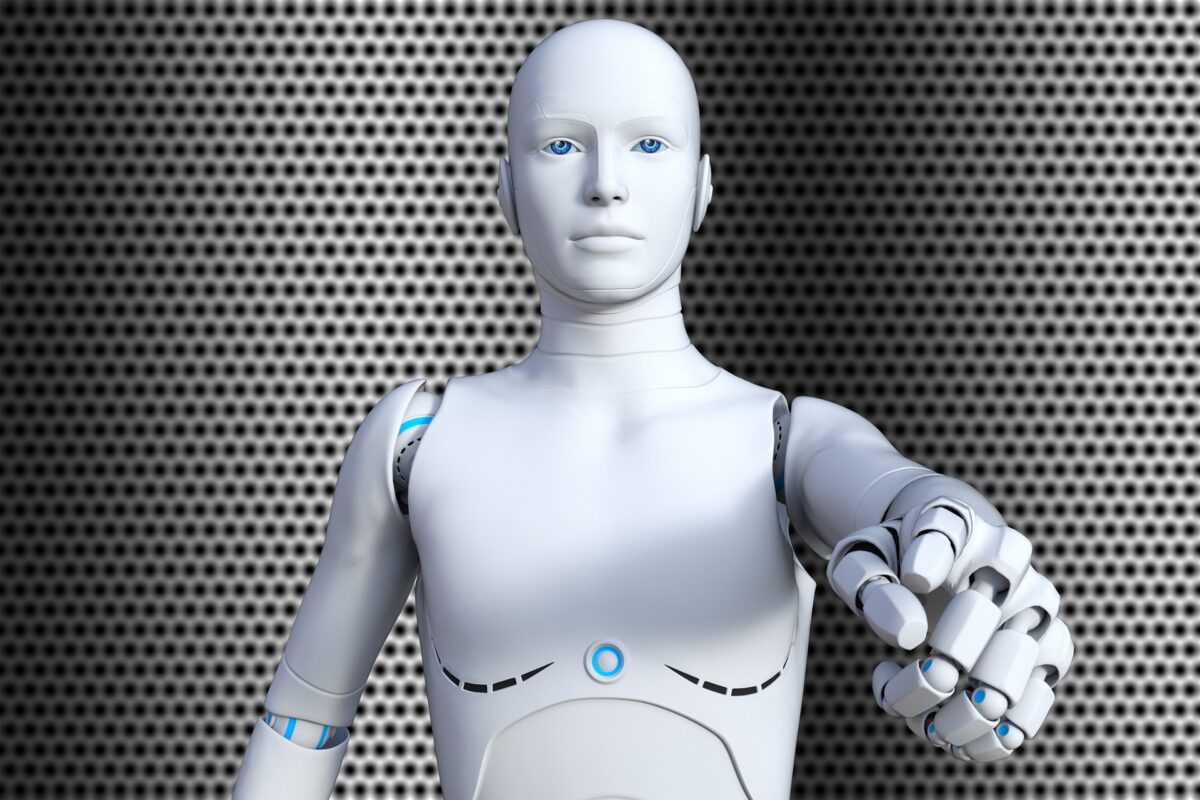
Xiaomi Integrates Humanoid Robots into EV Production Line, Signaling a Shift in Automation
Beijing, China – In a move signaling a potential turning point in manufacturing automation, Chinese technology giant Xiaomi has begun testing humanoid robots on its electric vehicle (EV) production line in Beijing. The initial trial, detailed in reports from Futurism, demonstrates the growing feasibility of integrating advanced robotics into complex industrial processes. While the robots aren’t yet replacing human workers, the experiment offers valuable insights into the future of automotive manufacturing and the role of artificial intelligence in streamlining production. This development comes as the automotive industry globally seeks to improve efficiency and address labor shortages, and as Xiaomi itself ramps up its ambitions in the competitive EV market.
According to Lu Weibing, Xiaomi’s president, the two humanoid robots successfully completed 90.2% of assigned tasks during a three-hour testing period. The robots were observed performing the repetitive task of fastening nuts onto vehicle chassis components. While the robots’ pace may not yet match that of human workers, Lu emphasized their ability to maintain the rapid production rhythm of the Xiaomi factory, where a latest vehicle rolls off the assembly line every 76 seconds. This achievement is particularly noteworthy, as maintaining pace with existing production lines is a significant hurdle for integrating robotic systems. The integration of these robots represents a step towards more flexible and adaptable manufacturing processes, potentially allowing for quicker responses to changing market demands and customized vehicle configurations.
The introduction of humanoid robots into Xiaomi’s EV factory isn’t an isolated event. The broader trend of automation in manufacturing is accelerating, driven by advancements in robotics, artificial intelligence, and computer vision. The automotive sector, in particular, is heavily investing in automation to reduce costs, improve quality, and enhance worker safety. The successful trial at Xiaomi’s facility adds to a growing body of evidence suggesting that humanoid robots are becoming increasingly viable for real-world industrial applications. Here’s further underscored by similar initiatives undertaken by other companies, such as the British firm Humanoid, which achieved a 90% success rate in a container stacking operation in February, as reported by Українські Національні Новини (УНН).
The “Intern” Robots: A Phased Approach to Automation
Lu Weibing characterized the robots’ role in the initial phase as that of “interns,” suggesting a cautious and incremental approach to full-scale automation. This perspective highlights the current limitations of humanoid robots and the need for ongoing development and refinement. While capable of performing specific tasks, these robots still require human oversight and are not yet equipped to handle the full range of complexities inherent in automotive assembly. The “intern” analogy also underscores the learning process involved – both for the robots themselves, as they adapt to the factory environment, and for Xiaomi’s engineers, as they gain experience in integrating and managing these advanced systems. This phased approach allows Xiaomi to identify and address potential challenges before committing to widespread deployment.
The challenge of keeping pace with the production line was identified as a primary concern during the integration process. Xiaomi’s EV factory operates at a high tempo, with a vehicle completed every 76 seconds. Ensuring that the robots could consistently meet this pace was crucial for a successful trial. Lu Weibing’s statement confirms that the robots have demonstrated the capability to keep up, a significant milestone in the development of industrial humanoid robotics. This achievement suggests that advancements in robotic speed and precision are closing the gap between human and machine performance in manufacturing settings. However, it’s important to note that the robots were tested on a specific task – nut fastening – and their performance on other, more complex tasks may vary.
Humanoid Robotics: Beyond Automotive Applications
While Xiaomi’s application focuses on EV production, the potential applications of humanoid robots extend far beyond the automotive industry. These versatile machines could be deployed in a wide range of sectors, including logistics, healthcare, hospitality, and even disaster relief. The ability to perform tasks in unstructured environments, navigate complex spaces, and interact with humans makes humanoid robots particularly well-suited for roles that are currently difficult or dangerous for humans to fulfill. For example, they could be used to deliver supplies in hospitals, assist elderly individuals with daily tasks, or inspect hazardous infrastructure. The development of more sophisticated and affordable humanoid robots is expected to drive significant growth in these and other emerging markets.
The broader robotics industry is experiencing rapid innovation, fueled by advancements in artificial intelligence, machine learning, and sensor technology. Companies like Boston Dynamics, Agility Robotics, and Figure AI are at the forefront of this revolution, developing increasingly capable and versatile humanoid robots. These robots are equipped with advanced sensors, allowing them to perceive their surroundings and make informed decisions. They also feature sophisticated control systems, enabling them to perform complex movements and manipulate objects with precision. The ongoing development of these technologies is paving the way for a future where humanoid robots play an increasingly prominent role in our lives.
Challenges and Future Outlook for Robotic Integration
Despite the promising results of the Xiaomi trial and the broader advancements in humanoid robotics, significant challenges remain. One key obstacle is the cost of these robots, which currently remains prohibitively high for many businesses. Reducing the cost of components, improving manufacturing processes, and scaling up production are essential for making humanoid robots more accessible. Another challenge is the development of more robust and reliable software, capable of handling the complexities of real-world environments. Robots need to be able to adapt to unexpected situations, recover from errors, and learn from their experiences. Ethical considerations surrounding the deployment of robots, such as job displacement and data privacy, need to be carefully addressed.
The increasing cost of memory chips, a critical component in robotics and EV manufacturing, is also posing a challenge for companies like Xiaomi. Reuters reports that Xiaomi has warned of higher smartphone prices due to surging memory chip costs, and this trend is likely to impact the cost of robotic components as well. Managing these cost pressures will be crucial for maintaining the momentum of automation initiatives.
Looking ahead, the integration of humanoid robots into manufacturing is expected to accelerate. As the technology matures and costs decline, more and more companies will adopt these systems to improve efficiency, reduce costs, and enhance competitiveness. The development of more sophisticated AI algorithms will enable robots to perform increasingly complex tasks, further expanding their range of applications. The collaboration between robotics companies, automotive manufacturers, and technology providers will be essential for driving innovation and overcoming the remaining challenges. The future of manufacturing is undoubtedly intertwined with the advancement of robotics, and Xiaomi’s experiment represents a significant step towards that future.
The next step for Xiaomi will be to evaluate the long-term performance of the humanoid robots and assess their impact on overall production efficiency. Further trials will likely focus on expanding the robots’ skillset and integrating them into more complex assembly processes. Investors and industry analysts will be closely watching these developments, as they provide valuable insights into the potential of humanoid robotics to transform the manufacturing landscape. Stay tuned to World Today Journal for continued coverage of this evolving story.
What are your thoughts on the integration of robots into manufacturing? Share your comments below and join the discussion.
Related reading