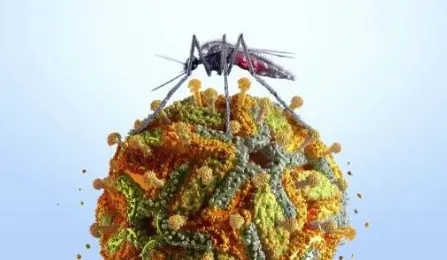
The Pan American Health Organization (PAHO) has issued a new epidemiological alert regarding sustained transmission of yellow fever in parts of South America, a situation that has been evolving since late 2024. The alert, released on March 13, 2026, highlights cases occurring beyond the traditional Amazon basin, raising concerns about potential spread, particularly to areas near urban centers. This resurgence of yellow fever underscores the importance of vaccination and robust public health measures across the region.
Yellow fever, a viral disease transmitted by infected mosquitoes, poses a significant public health challenge in tropical regions of Africa and the Americas. While a highly effective vaccine exists, outbreaks can occur in areas with low vaccination coverage or where mosquito populations are thriving. The current situation demands heightened vigilance and coordinated efforts to prevent further transmission and protect vulnerable populations. The PAHO alert serves as a critical warning to member states, urging them to strengthen surveillance, vaccination campaigns, and traveler information initiatives.
Expanding Geographic Range of Yellow Fever
Traditionally concentrated within the Amazon basin, yellow fever cases have been detected in areas where the disease was previously absent since September 2024. This geographic expansion is particularly concerning, as it suggests a shift in the dynamics of transmission and a potential for wider outbreaks. The PAHO report emphasizes the need for increased surveillance in these newly affected areas to understand the drivers of transmission and implement targeted interventions. This includes monitoring mosquito populations, identifying potential breeding sites, and tracking human cases to quickly contain any outbreaks.
In 2025, a total of 346 confirmed cases of yellow fever were reported across seven countries in the region, resulting in 143 deaths. The affected countries included Bolivia (8 cases, 2 deaths), Brazil (120 cases, 48 deaths), Colombia (125 cases, 46 deaths), Ecuador (11 cases, 8 deaths), Guyana, Peru (49 cases, 19 deaths), and Venezuela (32 cases, 19 deaths). According to El Universal, in the first seven weeks of 2026, 34 human cases and 15 deaths have already been confirmed in Bolivia, Colombia, Peru, and Venezuela, signaling a continuation of the concerning trend.
Symptoms and Risks of Yellow Fever
Yellow fever presents with a range of symptoms, initially resembling flu-like illness. These can include fever, muscle pain, headache, nausea, and fatigue. However, in more severe cases, the disease can progress to a toxic phase characterized by liver failure, hemorrhage, and jaundice – the yellowing of the skin and eyes that gives the disease its name. The case fatality rate for severe yellow fever can be high, making prompt diagnosis and supportive care crucial. Univision reports that the disease is transmitted through the bite of infected mosquitoes, primarily in tropical regions.
The severity of yellow fever varies depending on factors such as the virus strain, the individual’s immune status, and access to medical care. Individuals who have been vaccinated against yellow fever are generally protected for life, highlighting the importance of widespread vaccination efforts. However, even vaccinated individuals may experience mild symptoms if exposed to a high dose of the virus.
PAHO Recommendations for Member States
In response to the escalating situation, PAHO has issued a series of recommendations to its member states. These include:
- Strengthening Epidemiological Surveillance: Enhanced monitoring of suspected cases, rapid laboratory confirmation, and thorough investigation of outbreaks are essential for tracking the spread of the disease.
- Intensifying Vaccination Campaigns: Prioritizing vaccination in high-risk populations, including those living in endemic areas and travelers visiting these regions, is crucial for preventing new infections.
- Protecting Travelers: Ensuring that travelers are informed about the risks of yellow fever and have access to vaccination before traveling to affected areas is a key component of prevention.
- Strengthening Health System Capacity: Improving the ability of healthcare facilities to detect, diagnose, and manage severe cases of yellow fever is vital for reducing mortality.
- Maintaining Vaccine Reserves: Establishing and maintaining strategic reserves of yellow fever vaccine is essential for responding quickly and effectively to potential outbreaks.
Vaccination: The Primary Defense Against Yellow Fever
Vaccination remains the most effective means of preventing yellow fever infection. A single dose of the yellow fever vaccine provides lifelong protection for the vast majority of recipients. The vaccine is safe and widely available, although it is not recommended for certain individuals, such as infants under six months of age and people with severe immune deficiencies. The PAHO emphasizes that vaccination is indicated in several South American countries, including Brazil, Bolivia, Peru, Colombia, Venezuela, Ecuador, Argentina, Paraguay, Guyana, Suriname, and French Guiana.
The yellow fever vaccine is a live-attenuated vaccine, meaning it contains a weakened form of the virus. This allows the body to develop immunity without causing the disease itself. While mild side effects, such as fever and muscle aches, may occur after vaccination, serious adverse events are rare. It’s essential to note that the vaccine is most effective when administered at least 10 days before exposure to the virus.
Beyond Vaccination: Mosquito Control and Personal Protection
While vaccination is paramount, other measures can aid reduce the risk of yellow fever transmission. These include controlling mosquito populations through insecticide spraying, eliminating breeding sites (such as stagnant water), and using personal protective measures to prevent mosquito bites. Personal protective measures include wearing long sleeves and pants, using insect repellent containing DEET, and sleeping under mosquito nets.
Community involvement is also crucial for successful mosquito control efforts. Educating the public about the risks of yellow fever and the importance of mosquito control can empower individuals to take proactive steps to protect themselves and their communities. This includes participating in clean-up campaigns to eliminate breeding sites and reporting suspected cases of yellow fever to local health authorities.
The PAHO will continue to monitor the situation closely and provide updates to its member states as new information becomes available. The organization is committed to supporting countries in their efforts to prevent and control yellow fever, ensuring the health and safety of populations across the Americas. The next update from PAHO regarding the yellow fever situation is expected in early April 2026, as they assess the impact of ongoing vaccination campaigns and surveillance efforts.
Stay informed about the latest developments in the yellow fever outbreak and consult with your healthcare provider if you have any concerns. Share this information with your network to raise awareness and promote preventative measures.