
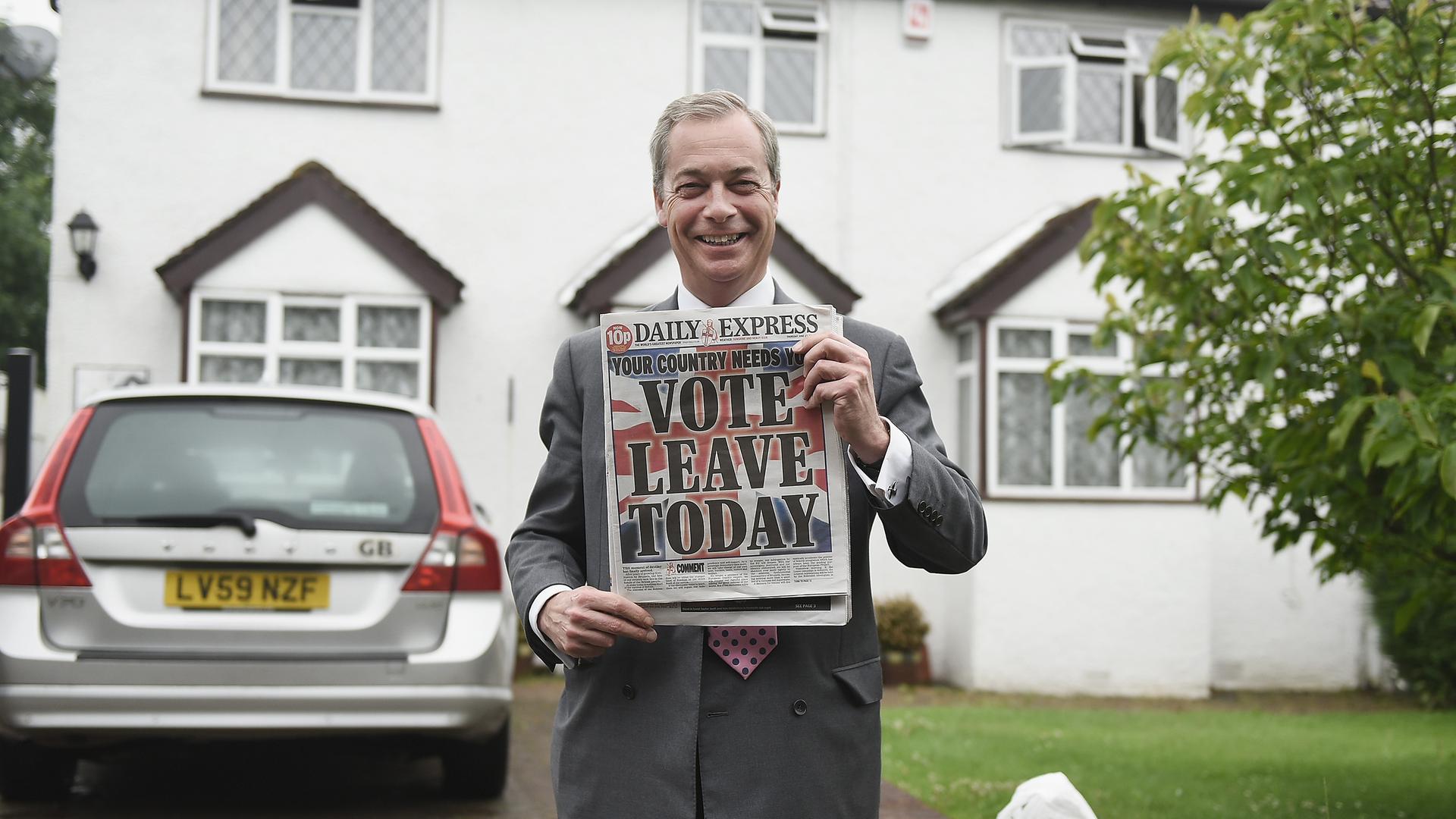
As the United Kingdom approaches the tenth anniversary of the June 23, 2016, referendum, the political landscape remains shaped by the enduring legacy of the Brexit vote. While the formal withdrawal from the European Union concluded in 2020, the promise of reduced migration and restored national sovereignty continues to drive debate, with populist movements maintaining significant influence across the British political spectrum.
According to official data from the Office for National Statistics (ONS), net migration to the UK reached record levels in recent years, a reality that stands in direct contrast to the expectations held by many who voted to leave the bloc in 2016. This disconnect between the referendum’s core messaging and current demographic trends has fueled the growth of political factions that argue the terms of the withdrawal were not fully implemented.
The Evolution of the Brexit Mandate
The 2016 referendum saw 51.9% of voters support leaving the European Union, a decision that triggered years of complex negotiations under Article 50 of the Treaty on European Union, as detailed by the European Parliament. The primary arguments presented by the “Leave” campaign focused on “taking back control,” specifically regarding border policy and the jurisdiction of the European Court of Justice.

However, the post-Brexit reality has been defined by a shift toward a points-based immigration system. The UK Home Office introduced this system to replace free movement, yet sectors such as healthcare and social care have seen increased reliance on international recruitment to fill labor shortages. This shift has created a recurring friction point in public discourse, as populist leaders—most notably within the Reform UK party—continue to challenge the government’s ability to manage border control effectively.
Shifting Political Alignments and Populism
The persistence of populist sentiment in the UK is not an isolated phenomenon, but rather part of a broader European trend. Analysts from the Chatham House think tank have observed that the failure of established political parties to address concerns regarding the cost of living and public service strain has provided fertile ground for anti-establishment rhetoric. In the UK, this has manifested as a persistent pressure on the Conservative Party, which led the country through the transition period but has struggled to reconcile its pro-trade economic agenda with the demands of its base for lower migration.

The impact of the Brexit vote on the UK economy also remains a subject of intense analysis. The Office for Budget Responsibility (OBR) has consistently projected that the UK’s long-term productivity will be lower than it would have been had the country remained in the EU. These economic indicators often form the basis of the counter-argument against those who continue to advocate for further divergence from European regulatory standards.
What Lies Ahead for UK-EU Relations
As the ten-year milestone nears, the focus of both the UK government and European institutions has shifted toward the “Review of the Trade and Cooperation Agreement.” Under the terms of the treaty, certain provisions are subject to periodic review, providing a mechanism for potential adjustments to the current relationship. The European Commission has maintained that any future changes must respect the integrity of the Single Market, leaving limited room for the kind of “cherry-picking” that some proponents of a harder Brexit initially envisioned.
For the average citizen, the immediate concerns remain the cost of living and the stability of the National Health Service (NHS). While the political rhetoric often returns to the themes of 2016, the practical governance of the UK is increasingly defined by the need to navigate the limitations of the current trade arrangements. Whether the upcoming anniversary leads to a reassessment of these policies or a further entrenchment of existing divisions remains the central question for the next electoral cycle.
The next major checkpoint for the UK’s post-Brexit regulatory framework involves the ongoing implementation of the Windsor Framework and the subsequent reviews of the Trade and Cooperation Agreement, as outlined in the official government documentation. We invite our readers to share their perspectives on these developments in the comments section below.