
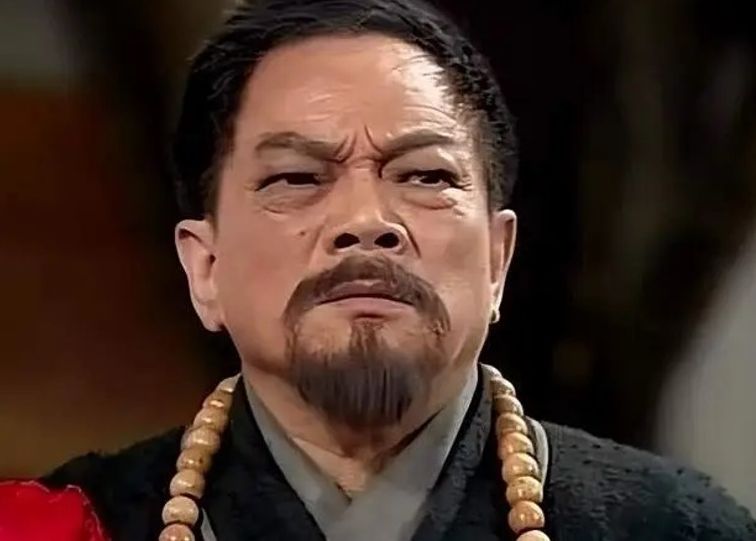
The Hong Kong entertainment industry is mourning the loss of Cheng Lei, a veteran actor and former bodybuilding champion known for his imposing physical presence and versatile performances in classic martial arts cinema. The news of his passing reached the public on April 12, 2026, marking the finish of a career that spanned several decades of cinematic history.
Cheng Lei, a first-generation disciple of the legendary director Chang Cheh, passed away on March 25, 2026 at the age of 82. While his death occurred in late March, his family organized a public farewell on April 12, with a wake held at the Hong Kong Funeral Home.
Recognized as one of the “Five Tigers of Shaw Brothers” alongside Wang Yu, Lo Lieh, Cheung Yi, and Kai Yuan, Cheng transitioned from a professional bodybuilder to a staple of the wuxia genre. He is perhaps most remembered by modern audiences for his portrayal of the formidable Qiu Qianren in the Louis Koo (古天樂) version of The Return of the Condor Heroes, a performance widely regarded as one of the most authentic interpretations of the character.
His legacy is defined by a unique blend of athletic discipline and dramatic range, moving from the choreographed violence of Shaw Brothers’ action films to the nuanced character acting required for TVB’s gold-standard adaptations of Jin Yong’s novels.
From Bodybuilding Champion to the ‘Five Tigers of Shaw Brothers’
Before entering the limelight of the silver screen, Cheng Lei—born Cheng Hongrong—was a distinguished figure in the world of fitness. Originally from Heilongjiang, he moved to Hong Kong and established himself as a bodybuilding champion. His sculpted physique and athletic prowess caught the eye of director Chang Cheh, who was known for his preference for masculine, muscular leads in his action epics.
As a first-generation disciple of Chang Cheh, Cheng became an integral part of the Shaw Brothers studio era. His ability to perform demanding physical stunts and his natural presence made him a perfect fit for the “Shaw Brothers Five Tigers” group. In his early career, he often appeared as a formidable henchman or fighter in seminal films such as One-Armed Swordsman, The Vengeance, and The Assassin where his athletic background provided a level of realism to the combat scenes.
This period of his life established the blueprint for his career: a combination of physical intimidation and a disciplined approach to performance. The transition from a “Mr. Universe” style physique to a cinematic warrior allowed him to carve out a niche in an industry that was then obsessed with the “heroic bloodshed” and masculine vigor of the wuxia genre.
Defining the Villain: Iconic Roles in Jin Yong Adaptations
While his early work was rooted in the cinema of the 1960s and 70s, Cheng Lei found a second wind and widespread fame as a character actor in television dramas, particularly those based on the works of Jin Yong. His ability to portray stern, menacing, yet complex antagonists made him a favorite for casting directors at TVB.
Among his most celebrated roles was his turn as Qiu Qianren in the version of The Return of the Condor Heroes starring Louis Koo. Critics and fans alike have noted that Cheng’s portrayal was exceptionally “spirit-like” and accurate to the original literary description of the character. Beyond this, he displayed significant range in other high-profile adaptations:
- Mu Gaofeng: Appearing in the version of The Smiling, Proud Wanderer starring Rex Liang (呂頌賢).
- Wu Laoda: Featuring in the version of Demi-Gods and Semi-Devils starring Dicky Cheung (黃日華).
Outside of the wuxia world, Cheng also left a mark in the series Chen Zhen, where he played the primary antagonist, Sato Bakawa. His performance in this role was praised for balancing menacing authority with the technical precision of his martial arts training, further cementing his status as one of Hong Kong’s most reliable “ancient bone” actors (veteran performers).
Final Farewells and Family Legacy
The funeral arrangements for Cheng Lei were characterized by a sense of quiet dignity. On April 12, 2026, his family held a service at the Hong Kong Funeral Home. The memorial hall was described as simple and concise, featuring a large portrait of the actor centered under a banner reading “Forever Missed.”
Adding a poignant touch to the service, his family placed a photograph of Cheng from his 30s on the altar, alongside the various awards he won during his bodybuilding competitions in his youth. This served as a visual reminder of the journey from an athlete to a cinema icon. While his children allowed media access to photograph the setting, they declined interviews and requested not to appear on camera, maintaining a private space for their grief.
The service concluded with a funeral procession on the morning of April 13 at 10:30 AM, after which the casket was moved to Colonelly Cantonment for the final farewell ceremony according to reports from the event.
Key Career Milestones of Cheng Lei
| Era/Phase | Key Affiliation/Role | Notable Works/Achievements |
|---|---|---|
| Early Career | Bodybuilding Champion | Recognized as a bodybuilding expert prior to acting. |
| Shaw Brothers Era | Disciple of Chang Cheh | One-Armed Swordsman, The Vengeance, The Assassin. |
| TVB/Wuxia Era | Veteran Character Actor | Qiu Qianren in The Return of the Condor Heroes (Louis Koo version). |
| Later Career | Antagonist Specialist | Sato Bakawa in Chen Zhen. |
The passing of Cheng Lei marks the departure of one of the last remaining links to the golden age of the Shaw Brothers’ “Five Tigers.” His transition from a man of muscle to a man of the arts serves as a testament to his versatility and dedication to the craft of performance. He will be remembered not only for the villains he played but for the physical standard he set for action performers in the early days of Hong Kong cinema.
The final official action regarding his passing was the farewell ceremony held at Colonelly Cantonment on April 13, 2026.
We invite readers to share their favorite memories of Cheng Lei’s performances or their thoughts on the legacy of the Shaw Brothers era in the comments below.