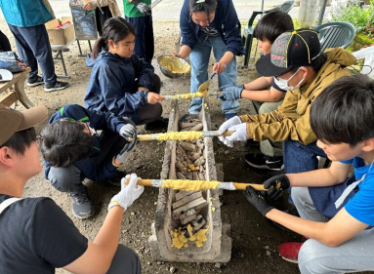
The Japanese Ministry of Education, Culture, Sports, Science and Technology (MEXT) has increasingly prioritized the development of “diverse learning schools” (manabi no tayoka gakko) as a formal response to the rising number of students experiencing long-term school absenteeism, or futoko. Among these, the Seisa Junior High School in Yokohama serves as a prominent example of an institution operating under this framework, which allows for flexible curricula designed to accommodate students who struggle with traditional classroom environments, according to official MEXT guidelines on school attendance.
As of recent reporting, Japan has seen a significant increase in the number of students categorized as futoko—defined by MEXT as students absent for 30 days or more in a year for non-medical or financial reasons. For the 2022 academic year, the total number of such students reached approximately 299,000 in elementary and junior high schools, marking the tenth consecutive year of increase, as reported by the Ministry of Education’s annual survey. These figures have shifted the national conversation from viewing absenteeism solely as a truancy issue to recognizing it as a systemic need for more diverse educational pathways.
Understanding the “Diverse Learning” Framework
The “diverse learning school” initiative represents a legislative pivot in how the Japanese government defines a compulsory education environment. Under the Act on Ensuring Opportunities for Receiving Compulsory Education, local governments and private entities are encouraged to establish schools that prioritize individual pace and social-emotional growth over strictly standardized test performance. These schools are exempt from certain rigid requirements regarding instructional hours and textbook usage, provided they meet specific criteria set by the prefectural boards of education.
Seisa Junior High School in Yokohama utilizes this flexibility to create a low-pressure environment. The school’s pedagogical approach emphasizes “relational education,” where students are encouraged to build connections with teachers and peers at a pace that prevents the exhaustion often associated with mainstream schools. By focusing on individualized learning plans, the institution aims to mitigate the psychological barriers that typically lead to chronic absenteeism, according to institutional policy statements regarding student welfare.
Why Individualized Support Matters
The necessity for such schools stems from the disparity between standard classroom expectations and the diverse psychological needs of students. In a traditional Japanese classroom, students are often expected to adhere to a rigid schedule and social hierarchy. For students with high sensitivity or those who have experienced bullying, this environment can lead to significant mental health challenges.
According to the MEXT White Paper on Education, the primary reasons cited for absenteeism include anxiety, lethargy, and difficulties in interpersonal relationships. By providing a “safe base” (ibasho), schools like Seisa allow students to re-engage with learning through interest-led projects rather than rote memorization. This model reflects a broader shift in educational philosophy in Japan, moving toward “inclusive education” as mandated under the Basic Act on Education, which emphasizes the right of every child to receive an education suited to their individual development.
Institutional Impact and Future Scaling
The success of the Yokohama model is currently being evaluated by educational researchers to determine if it can be scaled nationwide. While the number of these schools remains a small fraction of the total school population, they provide a vital alternative for families who feel alienated by the public system. Critics of the model often point to the potential for social isolation, but proponents argue that the “diverse learning” environment is often the only bridge keeping these students connected to the educational system at all.
The next major checkpoint for this policy will involve the MEXT annual review of the “Basic Plan for the Promotion of Education,” which is expected to address the continued rise in absenteeism statistics in the upcoming fiscal cycle. As the government prepares for the next session of the Diet, discussions regarding the allocation of subsidies for private “diverse learning” schools are expected to remain a focal point for lawmakers concerned with youth mental health and social integration.
We invite readers to share their perspectives on the evolution of educational environments in Japan. For those interested in the latest policy updates, the Ministry of Education’s official portal provides ongoing documentation on school attendance initiatives and public hearings.
Related reading