Russian Billionaire’s Yacht Escorts 1,200 Filipino Seafarers Through Perilous Strait of Hormuz
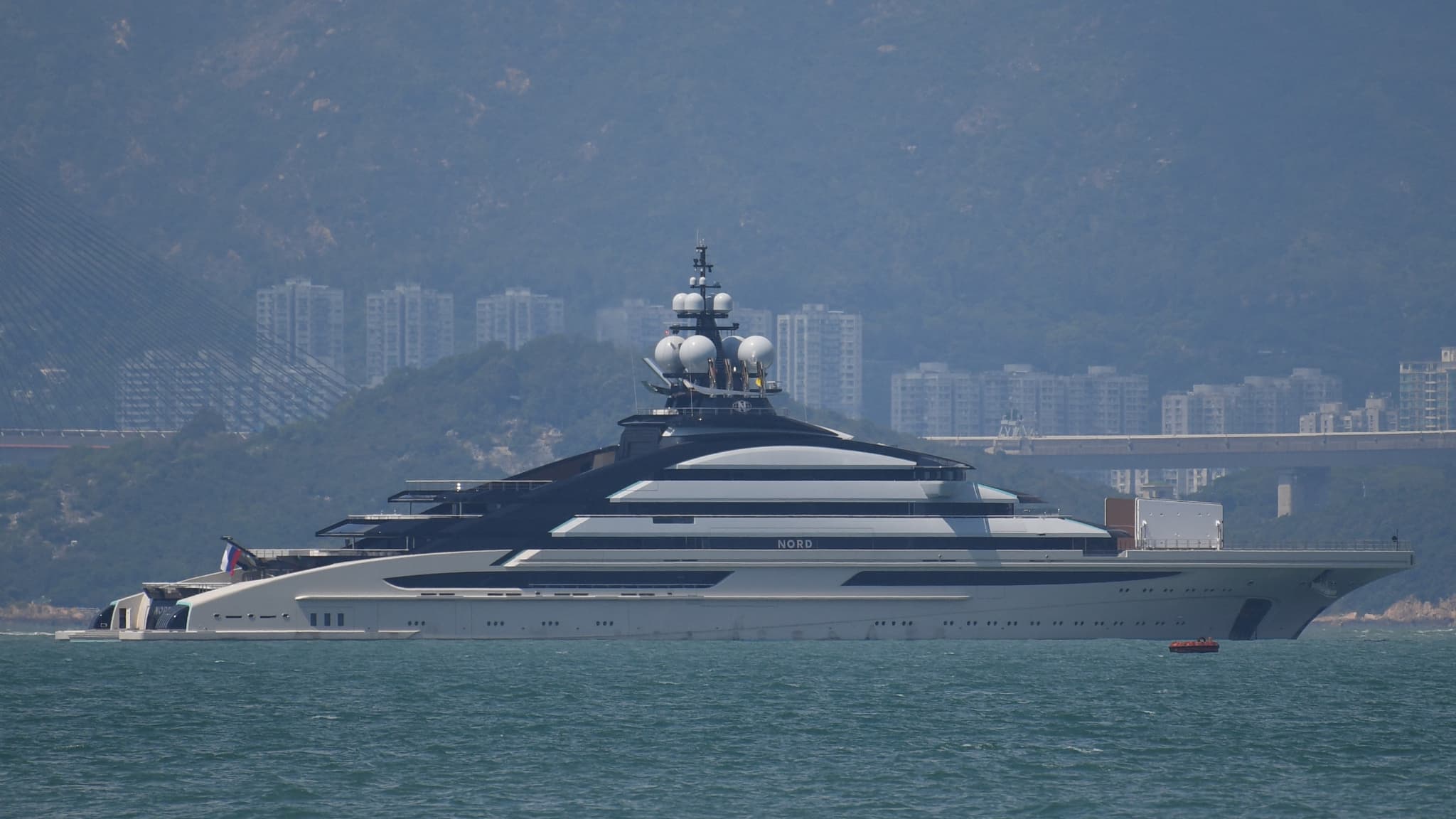
In a dramatic maritime operation amid escalating tensions in the Middle East, a 142-meter superyacht linked to Russian billionaire Alexei Mordashov successfully navigated the Strait of Hormuz on Saturday, carrying 36 Filipino seafarers to safety. The vessel, named Nord, was part of a broader effort that saw nearly 1,200 Filipino crew members evacuated from the strategically critical waterway, according to the Philippines’ Department of Migrant Workers (DMW). The strait, a flashpoint in regional conflicts, had been partially closed due to hostilities, leaving hundreds of seafarers stranded for weeks.
The Nord, flying a Russian flag, was accompanied by a bulk carrier that also transported Filipino crew members. The operation marked a rare moment of relief for the maritime industry, which has been grappling with the fallout of the Middle East conflict. The DMW confirmed that the majority of the 1,200 seafarers—approximately 800—had been evacuated earlier on cruise ships that departed the region on April 18, following a brief announcement by Iran that the strait would reopen. Still, the situation remained precarious, with 15 Filipino seafarers still aboard two container ships, the Epaminondas and the Francesca, which were seized by Iranian forces on April 22.
“We have been assured that the 15 Filipino seafarers are all safe and sound, and it is now only a matter of time before their vessels are allowed to depart,” said DMW Secretary Hans Leo Cacdac during a press conference last week. The statement underscored the ongoing diplomatic efforts to secure the release of the remaining crew members, though no timeline has been provided for their evacuation.
The Strait of Hormuz: A Lifeline Under Siege
The Strait of Hormuz, a narrow 21-mile-wide passage between Iran and Oman, is one of the world’s most vital maritime chokepoints. Approximately one-third of the world’s seaborne oil passes through the strait daily, making it a critical artery for global energy supplies. The recent closure, triggered by escalating hostilities in the region, had sent shockwaves through the shipping industry, stranding vessels and disrupting supply chains.
For Filipino seafarers, who produce up roughly 25% of the global maritime workforce, the crisis highlighted the vulnerabilities faced by those working in high-risk regions. The Philippines is the world’s largest supplier of seafarers, with over 400,000 of its citizens employed on international vessels. The DMW has been closely monitoring the situation, coordinating with shipowners and international agencies to ensure the safety of its nationals.

The Nord’s passage through the strait was particularly noteworthy given its ownership. The yacht is widely reported to be linked to Alexei Mordashov, a Russian oligarch with close ties to the Kremlin. Mordashov, whose net worth is estimated at $29.1 billion, has faced international scrutiny in recent years, including sanctions imposed by the European Union and the United States following Russia’s invasion of Ukraine. Despite this, the Nord has continued to operate under a Russian flag, and its role in the evacuation of Filipino seafarers has drawn attention to the complex geopolitical dynamics at play in the region.
A Humanitarian Crisis at Sea
The evacuation of the 1,200 Filipino seafarers was not without challenges. Many had been stranded for weeks, facing uncertain conditions and limited access to supplies. The DMW reported that some crew members had been forced to ration food and water as their vessels remained anchored in the Gulf. The psychological toll of the ordeal was also significant, with seafarers expressing relief at finally being able to leave the volatile region.
“This is a testament to the resilience of our seafarers and the tireless efforts of our government to ensure their safety,” Cacdac said. “We will continue to work with our international partners to secure the release of those still stranded and to prevent similar situations in the future.”
The crisis has reignited calls for stronger protections for seafarers, who often uncover themselves on the front lines of geopolitical conflicts. The International Maritime Organization (IMO) and the International Labour Organization (ILO) have both emphasized the need for greater cooperation among nations to safeguard the rights and well-being of maritime workers. In a statement released last week, the IMO urged all parties involved in the Middle East conflict to “ensure the safe passage of vessels and the protection of seafarers.”
The Geopolitical Stakes
The Strait of Hormuz has long been a flashpoint in Middle Eastern geopolitics. Iran has repeatedly threatened to close the strait in response to Western sanctions and military actions, while the United States and its allies have vowed to retain it open. The recent conflict has only heightened these tensions, with both sides engaging in tit-for-tat actions that have disrupted global trade.
The evacuation of the Filipino seafarers comes at a time of heightened instability in the region. Just days before the Nord’s passage, Iran seized two container ships, the Epaminondas and the Francesca, further escalating tensions. The ships, which were carrying goods bound for Europe, were intercepted by Iranian forces in what Tehran described as a “routine inspection.” However, Western governments have accused Iran of using such seizures as a tool of coercion.
The involvement of a Russian-flagged yacht in the evacuation adds another layer of complexity to the situation. Russia has been a key ally of Iran in recent years, and the two countries have deepened their military and economic cooperation. The Nord’s passage through the strait may signal a degree of coordination between Moscow and Tehran, though neither government has commented on the matter.
What Happens Next?
As of Tuesday, April 28, 2026, the 15 Filipino seafarers aboard the Epaminondas and the Francesca remain in Iranian custody. The DMW has stated that it is in “constant communication” with Iranian authorities and is hopeful that the crew members will be released soon. However, no concrete timeline has been provided, and the situation remains fluid.
For the 1,200 seafarers who have already been evacuated, the focus now shifts to their safe return home. The DMW has arranged for their repatriation, with many expected to arrive in the Philippines in the coming days. The agency has also pledged to provide psychological support and financial assistance to those affected by the ordeal.
The crisis has also sparked broader discussions about the need for international maritime laws to better protect seafarers in conflict zones. The IMO has called for an emergency session to address the issue, with a focus on establishing clearer protocols for the evacuation of crew members in high-risk areas. Meanwhile, the Philippines has urged the United Nations to take a more active role in ensuring the safety of its nationals working at sea.
Key Takeaways
- Nearly 1,200 Filipino seafarers were evacuated from the Strait of Hormuz, including 36 aboard the Russian-flagged yacht Nord.
- The Nord, linked to Russian billionaire Alexei Mordashov, successfully navigated the strait on April 25, 2026.
- 15 Filipino seafarers remain stranded aboard two container ships seized by Iran on April 22.
- The Strait of Hormuz is a critical chokepoint for global oil supplies, with one-third of the world’s seaborne oil passing through it daily.
- The crisis has reignited calls for stronger protections for seafarers, who often bear the brunt of geopolitical conflicts.
Frequently Asked Questions
Why were the Filipino seafarers stranded in the Strait of Hormuz?
The seafarers were stranded due to the partial closure of the Strait of Hormuz amid escalating tensions in the Middle East. The strait is a critical maritime chokepoint, and its closure disrupted global shipping routes, leaving hundreds of vessels and their crews in limbo.

Who owns the Nord, and why was it involved in the evacuation?
The Nord is a 142-meter superyacht linked to Russian billionaire Alexei Mordashov. While the exact reasons for its involvement in the evacuation are unclear, the vessel was one of several that transported Filipino seafarers to safety after Iran briefly reopened the strait.
What is being done to secure the release of the remaining 15 Filipino seafarers?
The Philippines’ Department of Migrant Workers is in constant communication with Iranian authorities to secure the release of the 15 seafarers aboard the Epaminondas and the Francesca. Diplomatic efforts are ongoing, though no timeline has been provided for their evacuation.
How does this crisis affect global shipping?
The closure of the Strait of Hormuz has disrupted global shipping routes, leading to delays and increased costs for goods transported by sea. The strait is a vital artery for global trade, and its instability poses significant risks to the global economy.
As the situation continues to develop, the world will be watching closely to witness how the crisis is resolved and what steps are taken to prevent similar incidents in the future. For now, the focus remains on ensuring the safe return of the remaining stranded seafarers and providing support to those who have already been evacuated.
We will continue to monitor this story and provide updates as new information becomes available. If you have any questions or insights, please share them in the comments below, and don’t forget to follow World Today Journal for the latest developments on this and other global stories.
Related reading