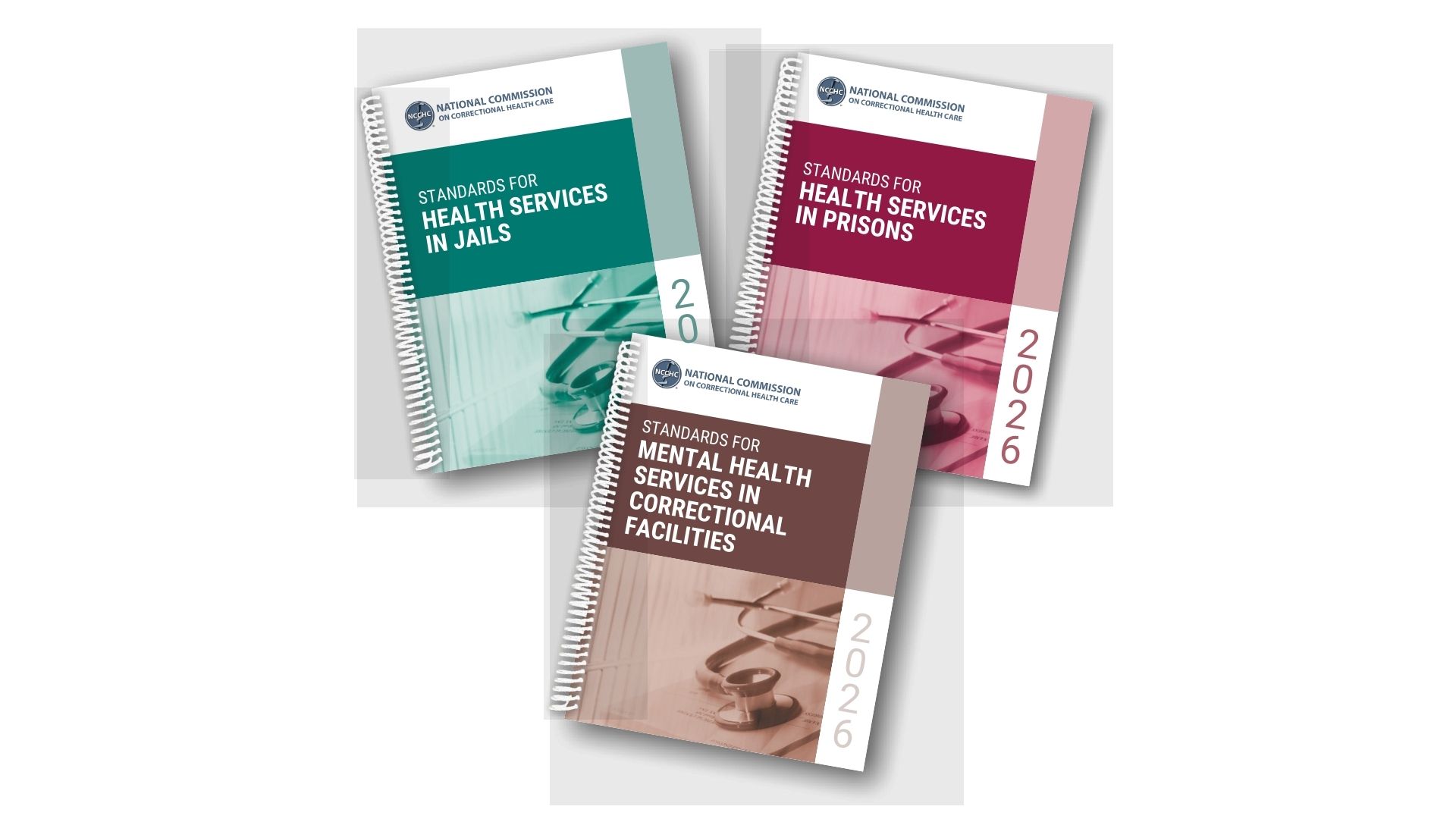
Preparing for teh Future of Correctional Healthcare: Understanding the 2026 NCCHC Standards
The landscape of correctional healthcare is evolving, and proactive preparation is crucial for ensuring safe, compliant, and high-quality care within your facilities. The National Commission on Correctional Health Care (NCCHC) is releasing updated standards in 2026, impacting both healthcare delivery and custody operations. This article will break down what you need to know to navigate these changes effectively.
Why These Updates Matter
These new standards aren’t simply about ticking boxes; they represent a commitment to improving patient care, minimizing adverse events, and bolstering safety for both staff and incarcerated individuals. For custody leaders, embracing these updates translates to reduced risk, improved communication, and a more secure operational environment.
Key Changes to Expect by April 1, 2026
The 2026 NCCHC standards for health and mental health services in correctional facilities introduce meaningful updates. Here’s a focused look at the core areas of change:
* Enhanced Suicide Prevention: Expect expanded protocols and a greater emphasis on proactive identification and intervention.
* Improved Documentation & communication: Clearer, more comprehensive documentation and streamlined communication channels are paramount.
* Increased Staff Training: New training expectations for custody staff will be implemented, focusing on critical skills and awareness.
* Stronger Collaboration: You’ll see increased collaboration between custody, medical, and mental health teams.
* At-Risk Individual Management: Procedures for housing and monitoring individuals at risk will be more clearly defined.
* Post-Incident Review & Risk Reduction: A greater focus will be placed on thorough post-incident reviews to identify and mitigate future risks.
* Trauma-Informed & Person-First Language: The standards emphasize respectful and safe interactions through the adoption of trauma-informed care and person-first language.
What This Means for You – The Custody Officer
Understanding how these changes impact your daily responsibilities is vital.Here’s a breakdown of what you can anticipate:
* Increased Awareness: You’ll need a deeper understanding of mental health indicators and the importance of reporting concerns promptly.
* proactive Observation: Heightened vigilance in observing and reporting changes in behavior is essential.
* Clearer Procedures: Expect more defined procedures for handling individuals with mental health or medical needs.
* Enhanced Communication: You’ll be expected to actively participate in communication with healthcare staff regarding patient status and concerns.
* Focus on De-escalation: Training will likely emphasize de-escalation techniques and non-violent crisis intervention.
Building a Safer, More Coordinated environment
These updates aren’t isolated changes; they’re interconnected components of a larger effort to strengthen accountability, improve staff preparedness, and foster safer, more coordinated correctional environments. By embracing these standards, you contribute to a system that prioritizes both security and well-being.
Investing in training, fostering open communication, and prioritizing a trauma-informed approach will be key to a triumphant transition. Remember, these standards are designed to support you in providing a safe and effective environment for everyone within the facility.
Worth a look