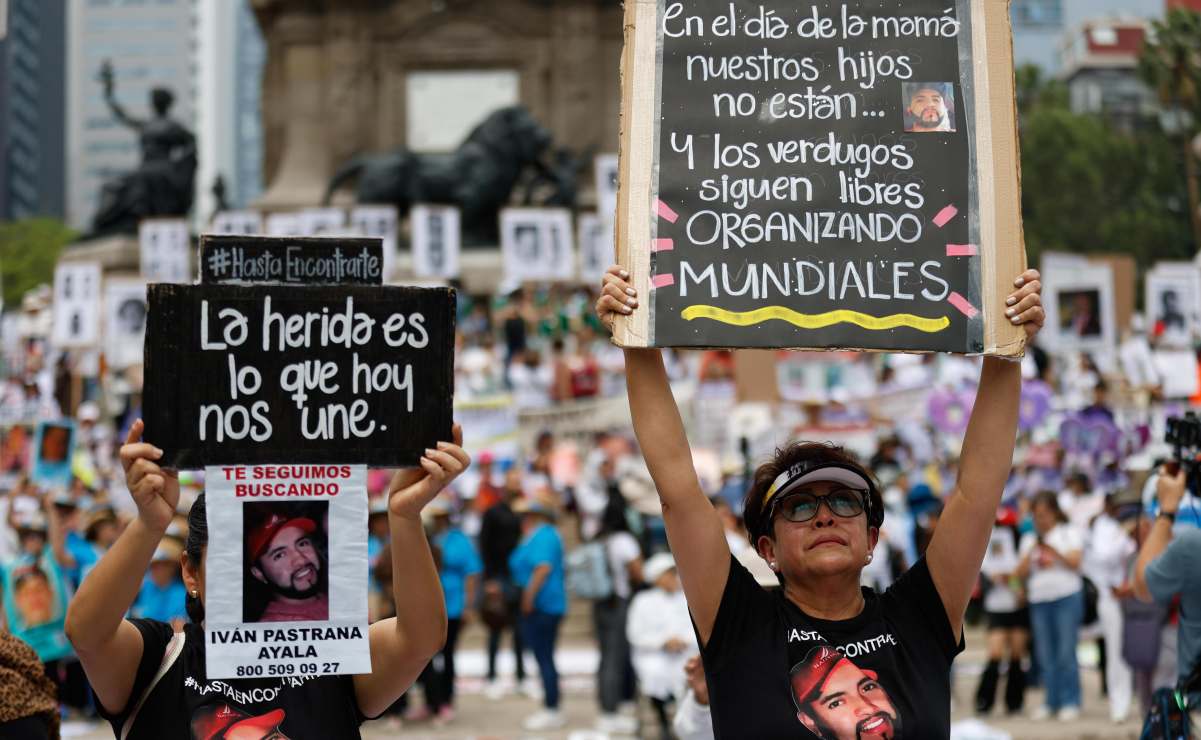
Mexico City is preparing for a series of potential public demonstrations scheduled for mid-June 2026, which may coincide with the high-profile events surrounding the FIFA World Cup. As the city readies itself for global visitors, various social and labor groups have signaled intentions to hold marches and protests in the capital, raising questions about potential impacts on urban mobility and local transit infrastructure.
The upcoming events involve multiple organizations, including representatives from the Coordinadora Nacional de Trabajadores de la Educación (CNTE) and various transport worker unions. These groups have historically utilized public demonstrations in the capital to highlight grievances related to labor rights, education policy, and social justice. Local authorities are currently assessing the potential for traffic disruptions, particularly around key transport hubs and major thoroughfares that connect the city to surrounding regions.
While the specific scale of these mobilizations remains fluid, the prospect of coordinated protests has drawn attention from city planners and security officials tasked with managing the influx of international tourists and event-goers. Travelers planning to be in Mexico City during this period are advised to monitor official government channels for real-time updates regarding road closures and public transportation availability, as the situation remains subject to change based on ongoing negotiations between protest organizers and government representatives.
Understanding the Current Protest Climate
The mobilization efforts in Mexico City are part of a broader cycle of social advocacy that often intensifies during significant national or international milestones. According to various reports from local news outlets, the groups involved—including transport sector unions and advocacy organizations focused on issues such as the Ayotzinapa case—are leveraging the global visibility of the 2026 World Cup to amplify their messaging. The strategy often involves targeting major access points to the city to maximize the visibility of their demands, which can lead to significant bottlenecks on highways leading into the metropolitan area.
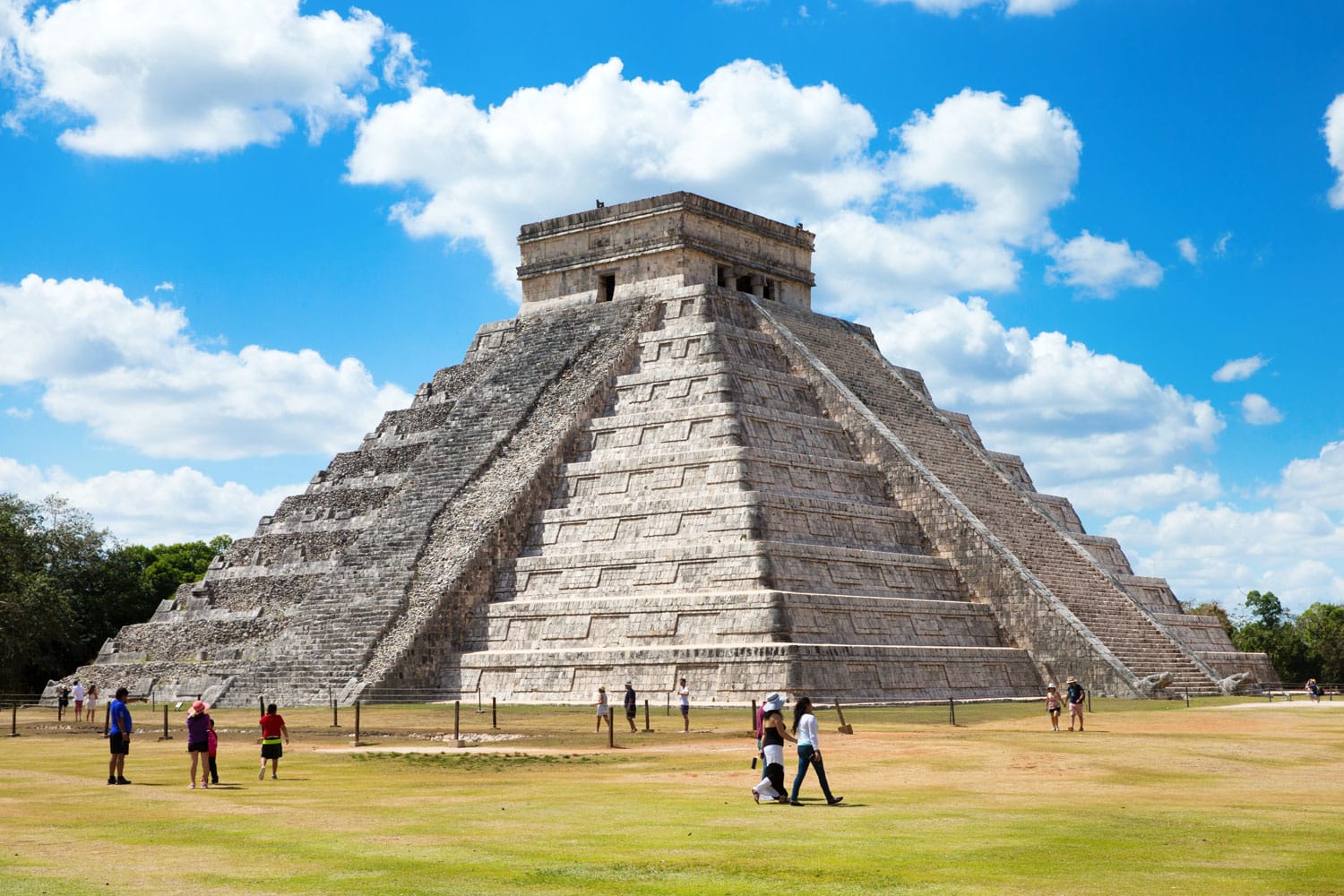
Transport worker organizations, in particular, have expressed frustrations over long-standing issues within the logistics and public transit sectors. While some groups have announced specific dates for potential work stoppages, the actual execution of these plans often depends on the outcome of last-minute dialogues with federal and local officials. For residents and visitors, this means that the impact on daily commuting may fluctuate depending on whether these discussions reach a resolution or proceed to active street-level protest.
Anticipated Disruptions and Traveler Guidance
For those navigating Mexico City, the primary concern remains the predictability of travel routes. Major protest actions in the city frequently target the Zócalo, the Paseo de la Reforma, and peripheral highways. Historically, these events result in the temporary suspension of certain bus routes and the rerouting of vehicular traffic. Official updates regarding specific road closures are typically disseminated by the Secretaría de Seguridad Ciudadana (SSC) of Mexico City through their social media channels and official websites.
Travelers are encouraged to utilize official transit apps and stay informed through the city’s emergency management systems. During periods of heightened social activity, public transportation, including the Metro and Metrobús systems, remains the most reliable way to traverse the city, though service intervals may be adjusted to accommodate large crowds or security cordons. It is recommended that international visitors keep a copy of their travel documents and hotel contact information accessible, and allow for additional travel time when moving between major zones of the city.
Looking Ahead: Monitoring Official Updates
The next critical checkpoint for these events will be the official announcements regarding security protocols and transit adjustments in the days immediately preceding the scheduled dates. As negotiations between protest leaders and the government continue, the status of these marches will likely be refined. There is no official confirmation at this time regarding the total number of participants or the specific duration of the proposed closures, as these details are frequently updated by the organizers as the dates approach.
We will continue to monitor the situation as more information becomes available. If you have questions about navigating the city or have experienced recent travel delays, please share your experiences in the comments section below. Your input helps our community stay informed during these busy periods of international activity.
Related reading
- Mark Halperin Accuses Mainstream Media of Covering Up Fauci’s ‘Obsession with Fame’ in COVID Diaries
- Controversy Over Special Prosecutor’s Power to Withdraw Indictments: Jung Chung-rae and Song Young-gil Clash on Strategy
- Center for Biological Diversity Climb Protests Arizona Ancient Cottonwood Tree (archynewsy.com)