
Writing an effective job description is a fundamental skill for any organization looking to attract top-tier talent. A well-crafted document serves as the first point of contact between a company and potential candidates, outlining expectations while setting the tone for the workplace culture. By providing a clear, accurate, and engaging overview of the role, employers can streamline their recruitment process and ensure they are reaching the right audience.
As a technology journalist with a background in software engineering, I have seen firsthand how the clarity of a job posting can dictate the caliber of applicants. In the competitive landscape of modern hiring, a vague or outdated description often results in a mismatched pool of candidates. This guide examines the essential components of a professional job description and provides a framework for creating one that is both informative and inclusive.
Defining the Role: What to Include
A high-quality job description should act as a roadmap for the candidate. According to the Society for Human Resource Management (SHRM), effective descriptions contain standard, easily identifiable sections that help potential hires understand the scope of their responsibilities. These typically include the job title, department, reporting structure, and a summary that captures the essence of the position.

Beyond the basics, successful postings emphasize the “why” behind the role. Candidates are increasingly looking for transparency regarding company culture and the specific impact their work will have. When drafting your document, aim to clearly distinguish between “must-have” qualifications and “nice-to-have” skills. This distinction is crucial, as research indicates that overly long lists of requirements can discourage qualified, diverse applicants from applying.
Best Practices for Clear Communication
Clarity is the cornerstone of any effective job description. Avoid using internal jargon or overly complex language that may alienate candidates from different backgrounds. Instead, focus on active verbs and concise sentences that describe the day-to-day realities of the position. For instance, rather than stating “the individual will be responsible for the management of software assets,” write “the engineer will manage our codebase and deploy new features.”
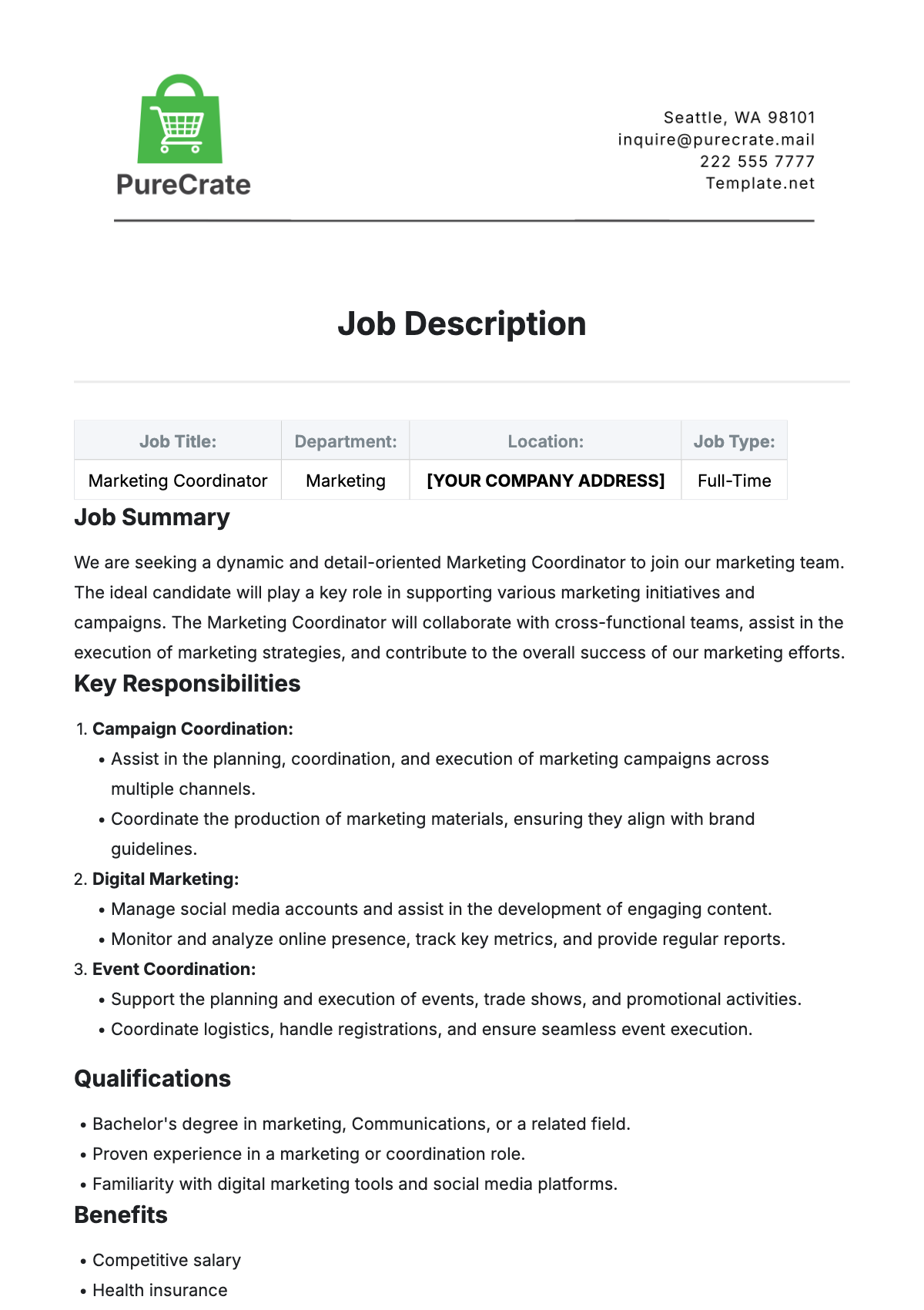
It is also essential to keep the document current. Roles in technology and other fast-moving sectors evolve rapidly. Before publishing, review the description against the actual needs of the team to ensure that the listed responsibilities align with current operational goals. Maintaining this level of accuracy helps manage expectations from the very first interview.
The Impact of Inclusivity
The language used in job postings has a measurable impact on the diversity of the applicant pool. Studies show that gender-coded language—such as words that lean heavily toward aggressive or overly competitive traits—can inadvertently exclude certain demographics. Focusing on skills-based requirements rather than specific educational pedigrees or years of experience can broaden the reach of your search.
To improve accessibility, ensure that your job descriptions are easily readable on various devices. Many candidates use mobile devices to search for roles, so keeping the format clean and avoiding overly dense blocks of text is a standard practice for modern recruiters. By prioritizing readability, you demonstrate a commitment to user experience that reflects well on your organization’s brand.
Refining Your Recruitment Strategy
Writing a great job description is not a one-time task; it is an iterative process. By tracking which versions of your postings generate the highest quality applications, you can refine your language and structure over time. Encourage feedback from team leads and current employees to ensure that the description accurately reflects the reality of the role.
As you continue to build your hiring pipeline, remember that the job description is a marketing tool. It is your opportunity to sell the vision of your company and the importance of the work. When candidates feel that they understand both the challenges and the rewards of a position, they are more likely to submit thoughtful, high-quality applications.
For organizations seeking further standardization, the SHRM job description guide remains a primary resource for industry-standard templates and best practices. Whether you are a startup founder or a hiring manager at a global firm, the principles of clarity, accuracy, and inclusivity remain the most reliable path to securing the talent you need.
We invite you to share your experiences with the hiring process in the comments below. Have you found specific language or formatting strategies that consistently attract the best candidates? We look forward to reading your insights and continuing this conversation in our next update.
Keep reading